
 Supreme Court directs nationwide integration of all emergency helplines into single 112 number within three months
KillBait - News highlights delivered clearly and responsibly—no clickbait, no sensationalism
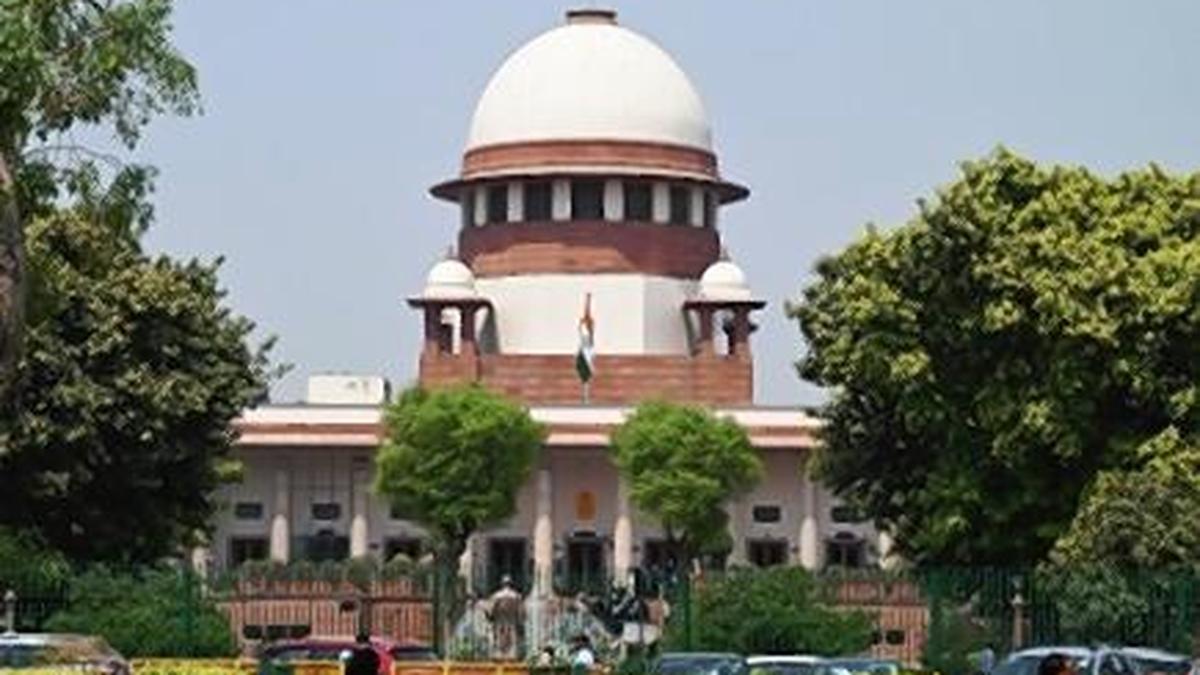
Photo: The Hindu
2026-05-29 22:57 Justice 10 


Supreme Court lays down uniform guidelines to protect trafficked women and children
On 29th May 2026, the Supreme Court of India delivered detailed guidelines to ensure the protection of young women and children trafficked for commercial sexual exploitation (CSE).
The judgment, which had been pending for over 22 years, was brought to the forefront by the NGO Prajwala, which in 2004 filed a petition highlighting gaps in laws and protective mechanisms for victims of trafficking.The Bench, comprising Justices J.B.Pardiwala and R.Mahadevan, emphasised that trafficking undermines constitutional dignity and called for a uniform victim protection protocol across the country.
The Court recognised the changing dynamics of trafficking, noting that traffickers often exploit financial vulnerabilities and manipulate trust-based relationships.It also observed a troubling trend of decreasing age among trafficked individuals.The judgment acknowledges the inadequacies of pre-rescue, rescue, and rehabilitation measures and seeks to strengthen institutional support systems.Senior advocate Aparna Bhat, who represented the petitioners, received special mention for her persistent efforts in the case.
This directive is seen as a significant step towards establishing systematic protection and rehabilitation measures for victims of CSE, reinforcing the State’s duty to combat trafficking and safeguard human dignity.
2191
Original title: Supreme Court issues guidelines for protecting survivors of human trafficking
The AI system has determined that this news is not clickbait/sensationalist: : The original title is factual and descriptive, clearly indicating that the Supreme Court has issued guidelines for protecting survivors without using sensationalist language. This has coincided with the opinion of the majority of users.
You may also be interested in...
Supreme Court directs nationwide integration of all emergency helplines into single 112 number within three months
 Supreme Court recognises trauma care as part of right to life, orders overhaul of emergency response system
 Supreme Court urges states to ensure menstrual hygiene facilities in schools to prevent girls from discontinuing education