
 ACT Unveils Climate Strategy Beyond Net-Zero Targets
KillBait - News highlights delivered clearly and responsibly—no clickbait, no sensationalism
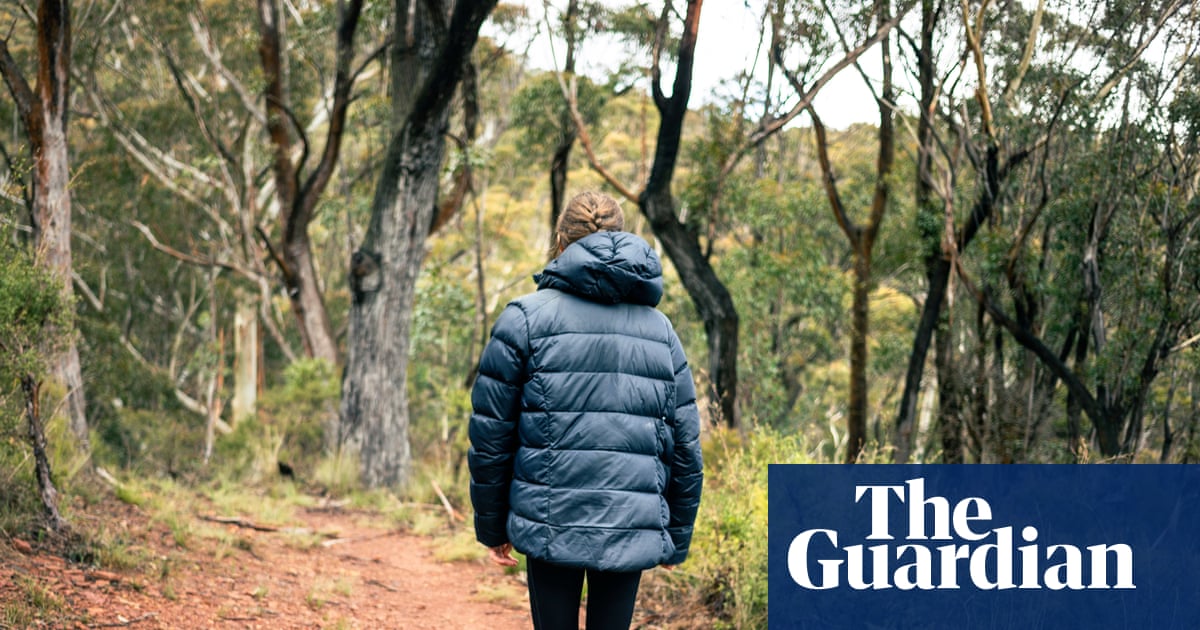
Photo: theguardian.com
2026-07-25 14:01 Environment 10


Sustainable puffer jackets: balancing fashion and environment
As temperatures drop, puffer jackets remain a winter staple, but their environmental impact raises concerns.Modern jackets often use petroleum-based synthetics, animal fibres, and plant materials, contributing significantly to their carbon and water footprint.
A life cycle study found production processes account for 83% of a jacket's environmental impact, with water and energy use during wear being the next largest factor.Natural fibres like down and wool add animal welfare considerations, while synthetic materials pose microplastic shedding risks.Brands are exploring alternatives like plant-based fillers, but recycling remains challenging due to low infrastructure and cheap virgin polyester.Experts urge consumers to prioritise quality, repair, and secondhand options to reduce waste.
The article highlights the need for mindful purchasing, sustainable practices, and industry innovation to mitigate the environmental toll of puffer jackets.
Full reading at theguardian.com
2187
Original title: Lofty ambitions: can puffer jackets be made more sustainable?
The AI system has determined that this news is clickbait/sensationalist: : The original title uses dramatic phrasing ('Lofty ambitions') and a rhetorical question to grab attention, which is typical of clickbait headlines. This has coincided with the opinion of the majority of users.
You may also be interested in...
ACT Unveils Climate Strategy Beyond Net-Zero Targets
 Queensland records first suspected H5 bird flu case, raising concerns for native wildlife
 Wildfires displace thousands in Europe