
 Australian housing market slows as buyers and sellers wait after federal budget tax changes
KillBait - News highlights delivered clearly and responsibly—no clickbait, no sensationalism
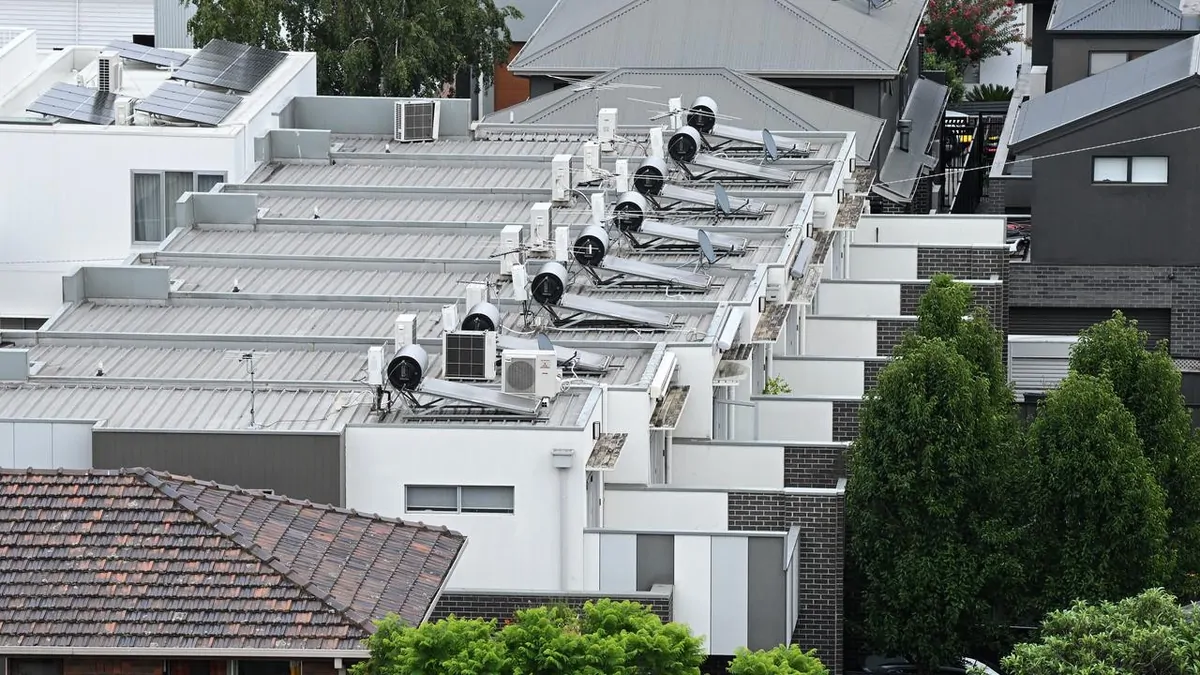
Photo: The Nightly
2026-06-01 02:45 Economy 10 


Sydney and Melbourne property prices ease as higher rates and policy changes cool housing market
House prices in Australia’s largest cities have weakened, with Sydney and Melbourne recording monthly declines amid ongoing affordability pressures, higher interest rates, and recent policy changes affecting property investors.According to data from research agency Cotality, dwelling values fell 0.9% in Sydney and 0.8% in Melbourne during May, while the ACT also saw a slight decline of 0.2%.Despite these falls, other capital cities experienced modest growth, although the pace of increase has slowed compared with earlier periods.Sydney’s median dwelling price now stands at just over $1.
28 million, while Melbourne’s median is approximately $812,000, highlighting the continued affordability gap between Australia’s two largest housing markets.Analysts note that the downturn reflects both cyclical housing market behaviour and broader economic pressures.
These include sustained high interest rates, reduced borrowing capacity, inflationary pressures, and weaker consumer confidence following monetary policy tightening.
Cotality research director Tim Lawless explained that earlier price pressures were driven by affordability constraints, but more recent weakness has been linked to interest rate rises, shifts in global energy costs, and fiscal policy changes affecting investor incentives.Auction clearance rates have also fallen to cyclical lows, suggesting softer demand and reduced transactional activity ahead.Outside the major capitals, however, housing markets remain more resilient.Perth and Darwin recorded the strongest monthly gains at 1.5%, followed by Brisbane and Hobart at 0.9%, and Adelaide at 0.5%.Regional Western Australia continues to outperform, with annual growth exceeding 20%.At the same time, rental markets remain tight nationwide.Rents rose 0.6% in May, supported by a low vacancy rate of 1.5%, which is expected to keep upward pressure on rents in the near term.
Analysts warn that restrictions on investor incentives for new housing may further reduce investment activity and slow construction, potentially intensifying rental shortages despite cooling house prices.
2186
Original title: House prices flatline in Sydney and Melbourne as interest rates, tax changes put pressure on soft market
The AI system has determined that this news is not clickbait/sensationalist: : The headline is descriptive and fact-based, accurately summarising the key topic (housing price changes in major cities and economic drivers) without exaggerated or sensational language, so it is not considered clickbait. This has coincided with the opinion of the majority of users.
You may also be interested in...
Australian housing market slows as buyers and sellers wait after federal budget tax changes
 Government works on clarifying exemptions under proposed capital gains tax reforms
 Foreign LNG investors oppose proposed domestic gas supply obligations under Australian reservation scheme