
 Barrick recognised as Tanzania’s top taxpayer at Presidential awards ceremony
KillBait - News highlights delivered clearly and responsibly—no clickbait, no sensationalism
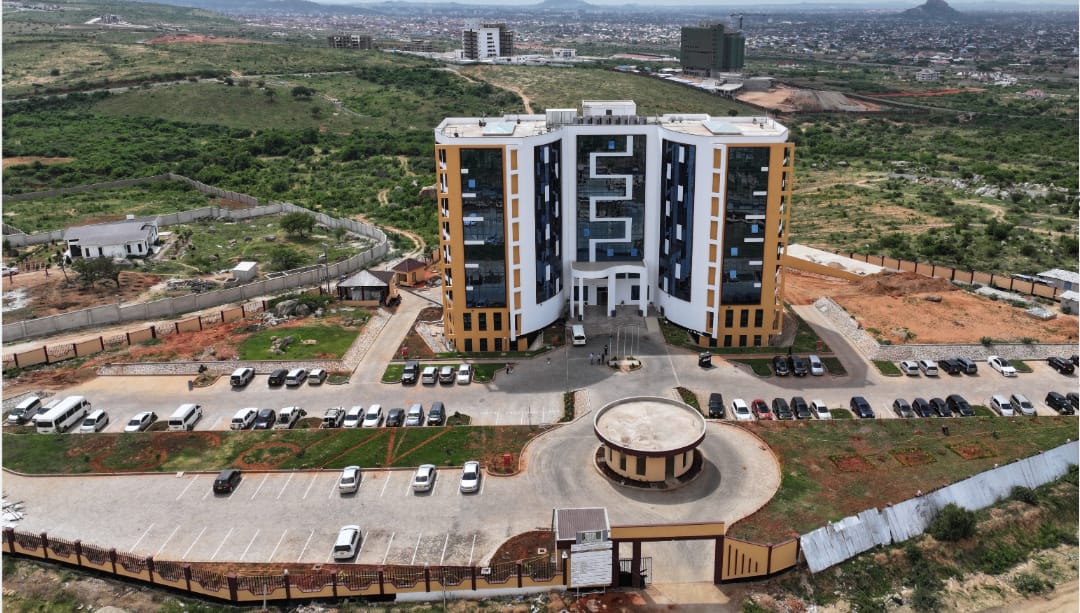
Photo: Tanzania Insight
2026-07-02 21:09 Business 10 


Tanzania Buildings Agency opens 38 public-private partnership sites for nationwide property development
The Tanzania Buildings Agency (TBA) has launched a major initiative aimed at attracting private sector investment through Public-Private Partnerships (PPPs) by opening 38 government-owned land sites for development across 20 regions in Tanzania.
This move reflects a strategic shift by the agency to go beyond its traditional role of constructing and managing public buildings and instead actively participate in commercial real estate development using underutilised state assets.
The available investment opportunities cover a wide range of property developments, including residential housing, commercial buildings, mixed-use complexes, logistics and transport hubs, and hospitality projects.
The sites are strategically distributed across the country to ensure balanced regional development and to support both major cities and emerging urban centres.Among the key highlighted projects is a large 630-acre site in Nzuguni, Dodoma, which is planned for combined residential and commercial development.In Dar es Salaam, four prime locations have been identified, including Masaki, Oysterbay, Magomeni Kota, and land along Pugu Road in Ilala District.Other development areas include Arusha, Mwanza, Mbeya, Morogoro, Kigoma, Geita, Tabora, Kagera, Songwe, Simiyu, Shinyanga, and more.
Specific projects also include logistics centres in Tanga, residential developments in Kigoma and Tabora, and mixed-use developments in several regions.
This initiative follows legal reforms made in August 2023 that expanded TBA’s mandate, allowing it to engage in commercial property development under its governing framework.
The PPP model will enable private investors to finance, develop, and in some cases operate the projects under agreements with the government, while the state retains ownership or oversight of strategic assets.TBA is seeking experienced investors with strong financial capacity and technical expertise.
The programme is expected to boost land value, create employment opportunities, improve infrastructure delivery, and accelerate urban growth across Tanzania.
Full reading at Tanzania Insight
2187
Original title: TBA announces 38 PPP investment opportunities
The AI system has determined that this news is not clickbait/sensationalist: : The title is factual and directly describes the announcement of PPP investment opportunities without exaggerated language or sensational framing. This has coincided with the opinion of the majority of users.
You may also be interested in...
Barrick recognised as Tanzania’s top taxpayer at Presidential awards ceremony
 Tanzania Highlights Job Creation and Local Participation in EACOP Project Implementation
 Azam FC U20 crowned NBC U20 Youth League champions as NBC reaffirms youth football investment