
 Tanzania to host Sh7 trillion investment summit linking global investors with major development projects
KillBait - News highlights delivered clearly and responsibly—no clickbait, no sensationalism

Photo: Tanzania Insight
2026-05-23 14:17 Business 12 


Tanzania enforces restrictions on foreign participation in locally reserved business sectors
The Government of Tanzania has stepped up enforcement measures aimed at protecting business sectors that are officially reserved for Tanzanian citizens.
The move is part of a wider strategy to ensure that local entrepreneurs benefit from designated economic opportunities and to reduce foreign involvement in restricted industries.According to the Ministry for Industry and Trade, the crackdown is being implemented under Government Notice No.487A issued on July 28, 2025.This notice clearly lists 15 business categories that are exclusively reserved for Tanzanians.
These include wholesale and retail trade, domestic tour guiding, mobile money agency services, salon operations, cargo transportation, curio shops, small-scale mining, cleaning services, real estate activities within certain limits, and operation of local media stations such as radio and television.The Business Registrations and Licensing Agency (BRELA) has played a major role in enforcing the directive.So far, it has blocked the renewal of 907 business licenses involving foreign nationals.
The largest share of these cases is in importation and sale of goods, followed by agency and brokerage services, cargo handling, and postal or parcel delivery services.
In addition, local authorities in cities such as Dar es Salaam and Mbeya have blocked 191 more licenses, affecting traders and companies operating in restricted sectors, including activities in areas like Kariakoo.
The government has also tightened work permit approvals, rejecting 373 applications from foreign nationals who did not meet legal requirements by April 2026.Officials say these actions are designed to strengthen compliance and improve opportunities for Tanzanian citizens in the business environment.
Minister Judith Kapinga reported that the enforcement has already improved confidence among local traders and enhanced participation of Tanzanian entrepreneurs.She also announced plans to establish a Market and Industrial Intelligence Unit.
This unit will provide market data, identify export opportunities, monitor global trends, and issue early warnings on international market changes to support local businesses.
Overall, the government says these measures are part of strengthening industrial development, improving fairness in business competition, and ensuring that reserved economic spaces remain primarily in the hands of Tanzanians.
Full reading at Tanzania Insight
2231
Original title: State tightens grip on reserved local business space
The AI system has determined that this news is not clickbait/sensationalist: : The original title is neutral and factual, clearly describing government enforcement of reserved business space without sensational wording or emotional exaggeration. It accurately reflects the content of the article. This has coincided with the opinion of the majority of users.
You may also be interested in...
Tanzania to host Sh7 trillion investment summit linking global investors with major development projects
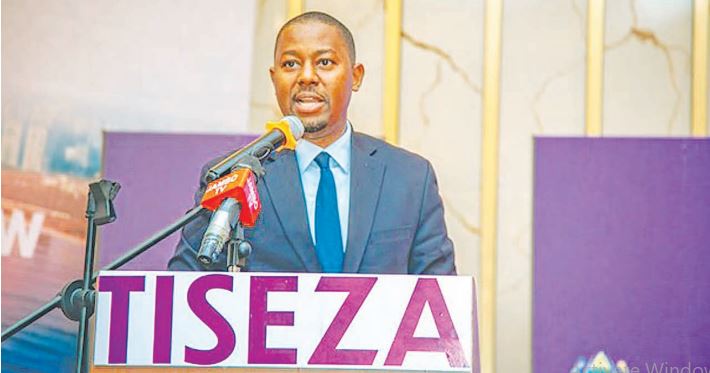 Tanzania to showcase 60 bankable projects worth $2.85 billion at Arusha investment conference
 Nala secures $50m credit facility to expand stablecoin cross-border payment network