
 Tanzania enforces restrictions on foreign participation in locally reserved business sectors
KillBait - News highlights delivered clearly and responsibly—no clickbait, no sensationalism
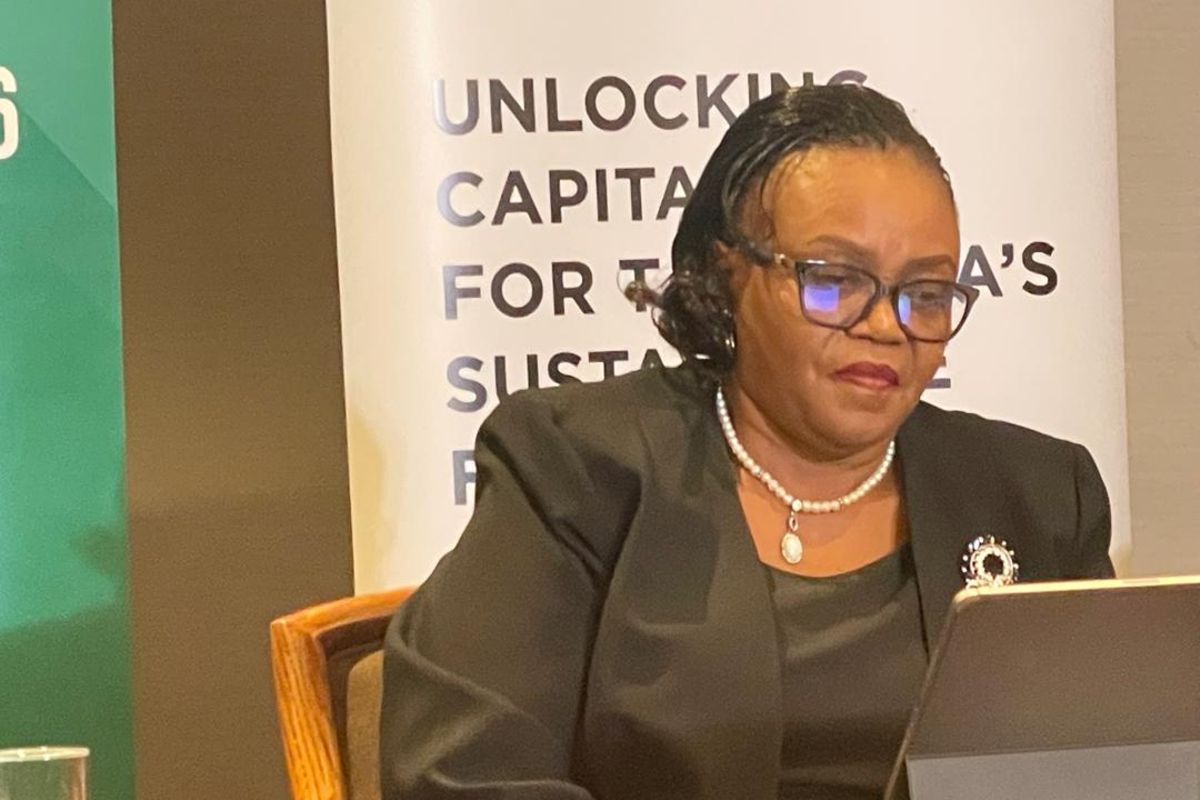
Photo: The Citizen
2026-05-28 15:33 Business 10 


Tanzania to host Sh7 trillion investment summit linking global investors with major development projects
Tanzania is preparing to host a major international investment summit aimed at attracting global and local investors to finance key development projects worth around $2.85 billion, equivalent to Sh7 trillion.
The Tanzania Investment Summit 2026 is scheduled to take place on June 1 and 2 in Arusha, and it is expected to bring together investors, government officials, development partners, and financial institutions from more than 30 countries.
The initiative will showcase 60 investment-ready projects under the Tanzania Investment Growth Facility (TIGF), covering strategic sectors such as tourism infrastructure, renewable energy, transport and logistics, agro-processing, the blue economy, water systems, Zanzibar development programmes, and sub-national initiatives.
The summit is jointly organised by the Economic and Social Research Foundation (ESRF) and the United Nations Development Programme (UNDP), working alongside the Tanzania Investment and Special Economic Zones Authority (TISEZA) and the Zanzibar Investment Promotion Authority (ZIPA).
Unlike traditional conferences, this summit is designed as a deal-making platform where investors can directly engage with project owners to negotiate financing and implementation agreements.ESRF Executive Director Prof Fortunata Makene stated that the summit aims to move beyond discussions into real investment transactions.
She highlighted that the government has already prepared and screened bankable projects to ensure smooth investor engagement, with an initial wave of 8 to 10 priority projects valued at about $100 million expected to attract early commitments.
The summit aligns with Tanzania’s long-term ambition of becoming a trillion-dollar economy by 2050, especially at a time when global concessional financing is becoming less predictable.
Prof Makene also noted that nearly 70 percent of future development financing is expected to come from private capital, making investment mobilisation essential.
UNDP Deputy Resident Representative John Rutere emphasized that countries must reduce dependence on international aid and instead build sustainable financing systems driven by private and institutional investors.He reaffirmed UNDP’s support in ensuring that investments contribute to inclusive growth, job creation, and improved livelihoods in Tanzania.
2187
Original title: High-level global investors set for Tanzania’s Sh7 trillion investment summit
The AI system has determined that this news is not clickbait/sensationalist: : The title is factual and clearly describes the event without exaggeration or sensational wording, as it accurately reflects a scheduled investment summit and its scale. This has coincided with the opinion of the majority of users.
You may also be interested in...
Tanzania enforces restrictions on foreign participation in locally reserved business sectors
 ATCL to Restart Passenger Flights to Chato Airport From June 2026
 Evosha Energies opens new fuel station in Mbezi to improve fuel access in Dar es Salaam