
 Tanzania GDP growth outlook, inflation trends, and key sector budgets for 2025–2027
KillBait - News highlights delivered clearly and responsibly—no clickbait, no sensationalism
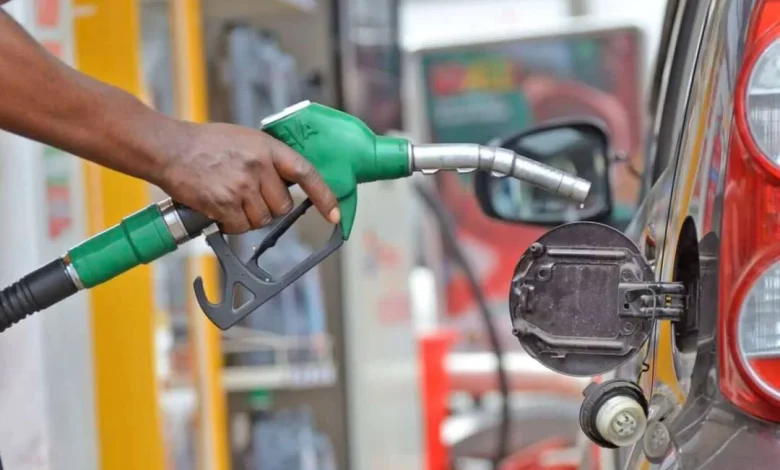
Photo: Tanzania Insight
2026-05-23 14:13 Economy 14 


Tanzania outlines measures to manage fuel price increases amid global oil market tensions
The Government of Tanzania has announced a series of measures aimed at reducing the impact of rising fuel prices caused by ongoing tensions in the Gulf region and disruptions in global oil markets.
The announcement was made during a consultative meeting held in Dar es Salaam involving government leaders, United Nations representatives, financial institutions, academics, civil society groups, and private sector stakeholders.
The discussions focused on an assessment prepared by the National Planning Commission regarding the economic effects linked to the conflict involving Iran and instability in international energy markets.
Professor Kitila Mkumbo, Minister of State in the President’s Office for Planning and Investment, said the government is working closely with stakeholders to ensure fuel prices do not rise to levels that would heavily affect ordinary wananchi and the national economy.
The report presented during the meeting highlighted several challenges including higher transport costs, increasing food and fertilizer prices, and pressure on household livelihoods.
However, the government also sees opportunities for Tanzania and Africa to expand oil exploration, refining, and value addition locally instead of depending heavily on exporting crude oil for processing abroad.
Professor Mkumbo explained that Tanzania currently relies mainly on fuel imports from Saudi Arabia, the United Arab Emirates, and other suppliers, making diversification of supply sources important for long-term economic resilience.
Officials also noted that changing global investment patterns may position Tanzania as a suitable destination for oil processing investments in Africa.Dr.
Tausi Kida from the National Planning Commission stressed the need for stronger risk analysis, policy coordination, and long-term planning to respond to global economic shocks.
UN representatives warned that geopolitical conflicts continue to affect economies worldwide through inflation, supply chain disruptions, fertilizer shortages, and increasing fuel costs, with low-income households and small businesses facing the biggest burden.
Full reading at Tanzania Insight
2257
Original title: Govt seeks to ease fuel price pressure
The AI system has determined that this news is not clickbait/sensationalist: : The original title is direct and accurately reflects the content of the article without exaggeration or misleading language. This has coincided with the opinion of the majority of users.
You may also be interested in...
Tanzania GDP growth outlook, inflation trends, and key sector budgets for 2025–2027
 Tanzania Gulf Crisis Report Flags High Risks to Energy, Food, Transport, Tourism and Government Budget
 Tanzania unveils 7+ trillion shilling investment portfolio to attract foreign investors