
 BBC News Pays Tributes to Late TV Presenter Dermot Murnaghan
KillBait - News highlights delivered clearly and responsibly—no clickbait, no sensationalism
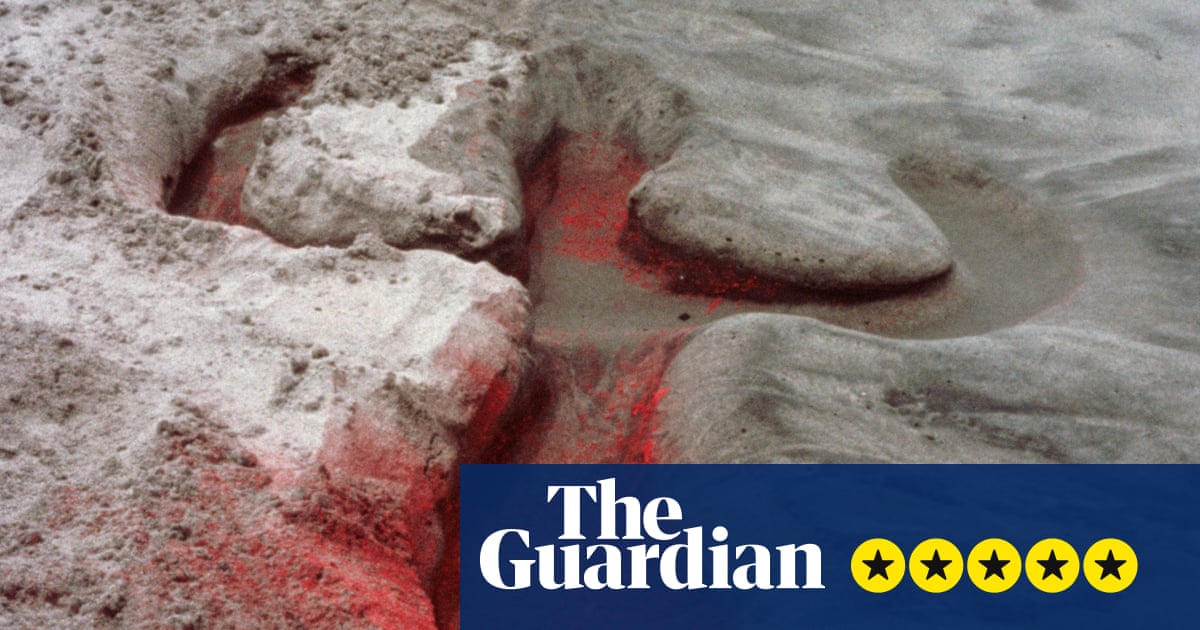
Photo: theguardian.com
2026-07-13 16:59 Culture 10


Tate Modern exhibition celebrates Ana Mendieta’s enduring artistic vision and influence
This review examines Tate Modern’s major exhibition dedicated to Cuban-American artist Ana Mendieta, presenting it as a compelling exploration of one of the most original artistic voices of the late twentieth century.
The exhibition traces Mendieta’s development from her early years after leaving Cuba for the United States as a child through to the mature works she created before her death in 1985 at the age of 36.
It highlights her distinctive use of natural materials such as blood, feathers, flowers, mud, sand and gunpowder to create temporary works that explored identity, exile, femininity, mythology and humanity’s relationship with the natural world.
The review describes several notable works, including her fire silhouettes, body imprints in mud, photographic documentation of performances, and the Rupestrian Sculptures carved into limestone during her return to Cuba in the early 1980s.
Rather than creating monumental land art like some of her American contemporaries, Mendieta favoured intimate interventions that blended her own body with landscapes and ancient symbolism.
The exhibition also showcases drawings and photographs that reveal the coherence of her personal mythology centred on female figures and prehistoric imagery.
While acknowledging the controversial circumstances surrounding Mendieta’s death and the later murder trial of her husband, sculptor Carl Andre, the exhibition deliberately keeps its attention on her artistic legacy instead of the tragedy.
The reviewer argues that her work remains remarkably contemporary, suggesting that had she lived longer she would likely have become one of the leading artists of the twenty-first century.Overall, the exhibition is praised as a powerful demonstration of Mendieta’s originality, imagination and lasting contribution to contemporary art.
Full reading at theguardian.com
2186
Original title: Ana Mendieta review – were she still alive she’d be at the forefront of art in this century
The AI system has determined that this news is not clickbait/sensationalist: : The title expresses the reviewer's opinion about Ana Mendieta's artistic significance but accurately reflects the content of the review. Although it contains a speculative statement, it is not misleading or sensationalist. This has coincided with the opinion of the majority of users.
You may also be interested in...
BBC News Pays Tributes to Late TV Presenter Dermot Murnaghan
 Ariana Grande exits American Horror Story season 13 as premiere date confirmed
 Patricia Greene, longtime voice of Jill Archer in BBC Radio 4's The Archers, dies aged 94