
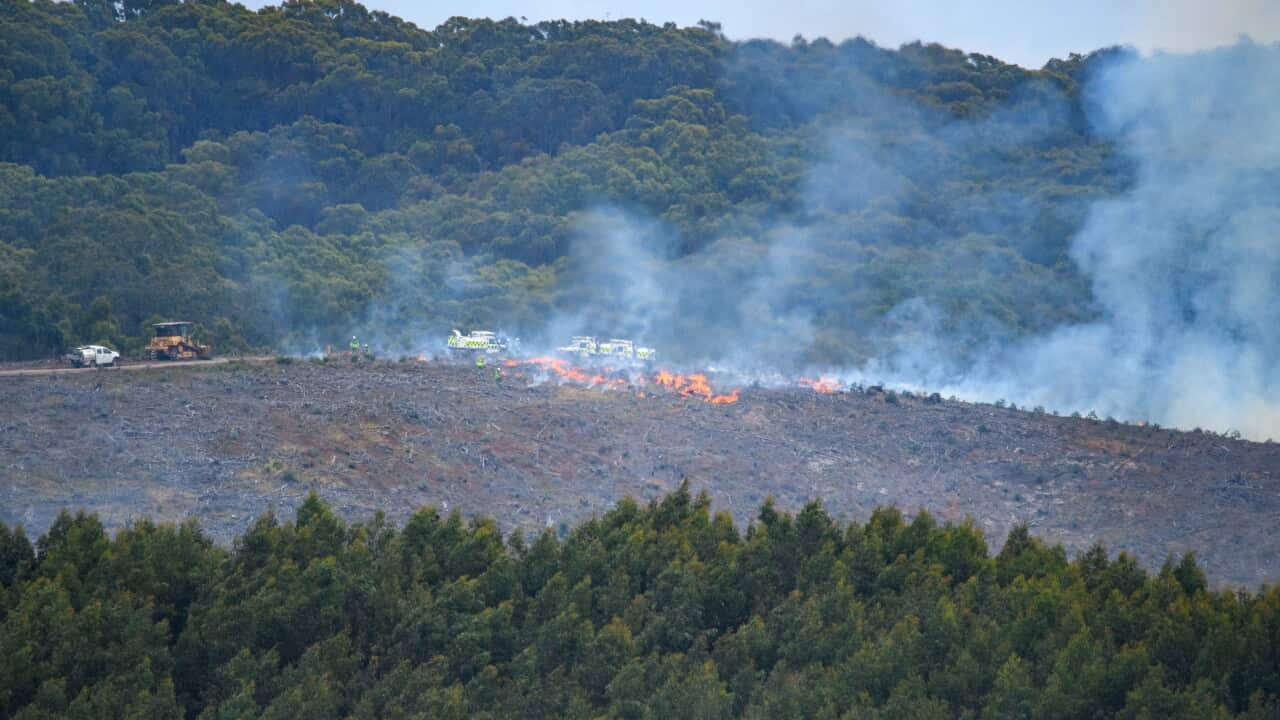
 Australian farmers prepare for possible El Niño conditions amid growing climate change impacts
KillBait - News highlights delivered clearly and responsibly—no clickbait, no sensationalism
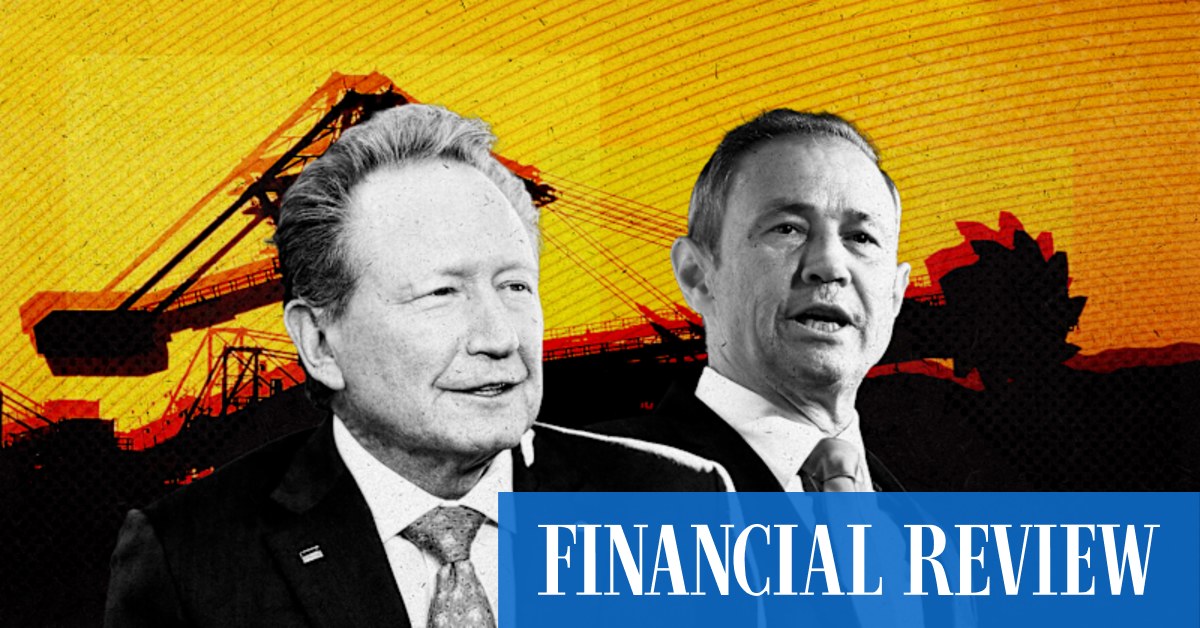
Photo: Australian Financial Review
2026-05-29 15:55 Climate change 11 


Tensions rise in Western Australia’s Pilbara amid disputes over decarbonisation and net zero targets
The article examines growing tensions in Western Australia’s Pilbara region, the country’s key mining hub, as pressure mounts over the pace and feasibility of decarbonisation.
A Deloitte report suggesting the state is likely to miss its 2050 net zero emissions target has heightened concern within the WA government, prompting a more defensive stance from Premier Roger Cook and senior ministers.
While officials had previously downplayed concerns, the findings have intensified scrutiny of the state’s heavy reliance on resource exports and emissions-intensive industries.
The Pilbara, home to major iron ore and energy producers including BHP, Rio Tinto, Fortescue Metals Group and Woodside Energy, has become the focal point of an internal industry divide.Competing interests between major mining and energy companies are increasingly clashing over the pace of transition to lower-emissions operations.
Some players are pushing ahead with aggressive decarbonisation strategies, while others are more cautious, citing cost, technology limitations and global market demand.
The debate has also drawn in influential business figures such as Andrew Forrest, further intensifying competition and disagreement over the future direction of the region’s economy.
The conflict reflects broader uncertainty about how Australia’s resources sector can balance continued export-driven growth with emissions reduction commitments.
At the political level, the WA government is under pressure to reconcile its economic dependence on mining royalties with national and international climate obligations.
The situation in the Pilbara highlights the complexity of transitioning a major resource-based economy, where industrial strategy, corporate rivalry and climate policy are increasingly intertwined.The result is a highly charged environment in which both government and industry are struggling to align on a clear pathway to 2050 net zero goals.
Full reading at Australian Financial Review
2206
Original title: Inside the ‘bare-knuckle brawl’ in Australia’s mining heartland
The AI system has determined that this news is clickbait/sensationalist: : The phrase ‘bare-knuckle brawl’ is highly sensationalist and metaphorical, designed to dramatise industrial and political tensions rather than neutrally describe them. This has coincided with the opinion of the majority of users.
You may also be interested in...
Australian farmers prepare for possible El Niño conditions amid growing climate change impacts
 Study finds layered urban vegetation can reduce heat stress more effectively than trees alone
 BYD car carrier arrives in Melbourne with 5,000 EVs amid rising Australian demand