
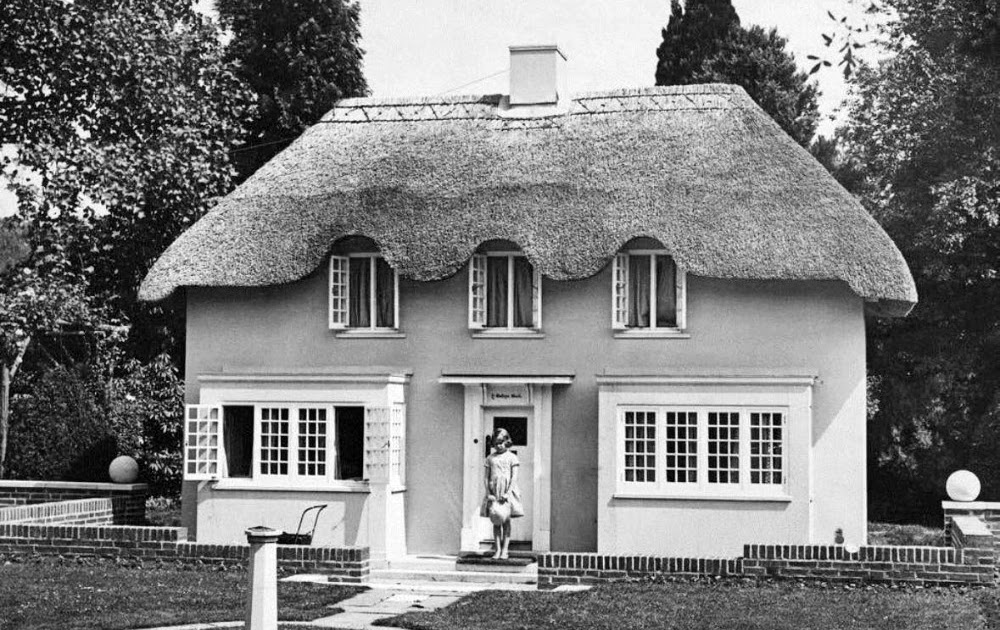
 The Story of Y Bwthyn Bach, Queen Elizabeth II’s Childhood Cottage in Windsor Great Park
KillBait - News highlights delivered clearly and responsibly—no clickbait, no sensationalism
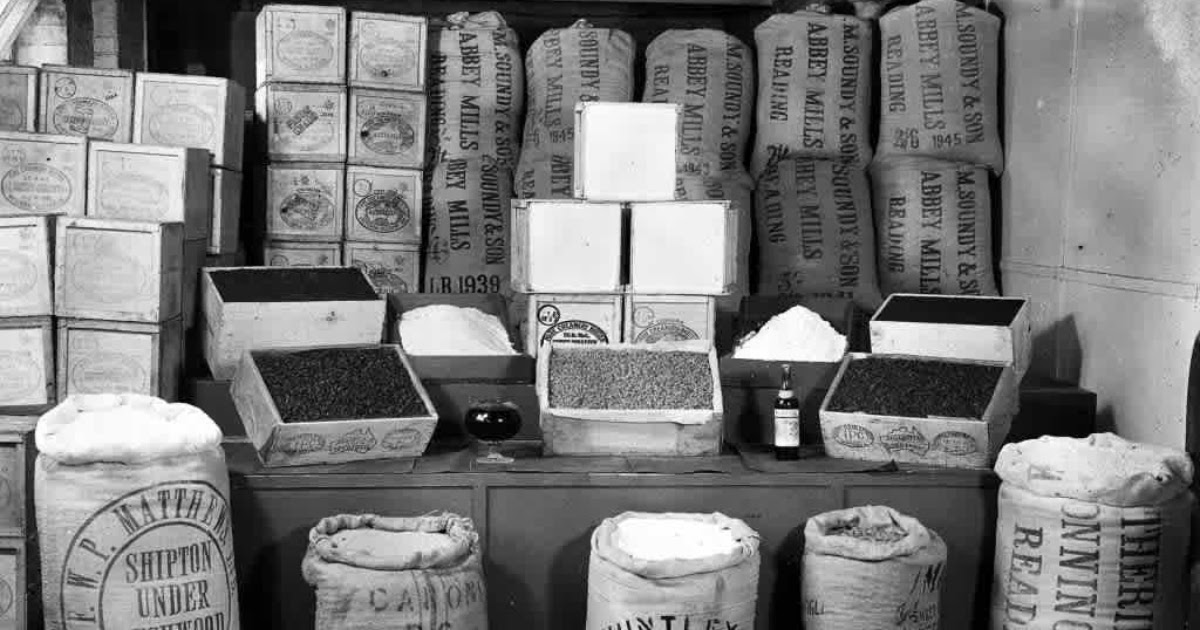
Photo: vintag.es
2026-05-23 19:04 History 16 


The Creation and Legacy of Queen Elizabeth II’s 1947 Wedding Cake
Queen Elizabeth II’s wedding cake, created for her marriage to Prince Philip on November 20, 1947, was an extraordinary symbol of post-war celebration and unity.Standing approximately 9 feet (2.7 meters) tall and weighing more than 500 pounds (227 kg), the massive four-tier fruitcake was crafted by McVitie & Price Ltd.
It became famously known as the “10,000 Mile Cake” because many of its ingredients were sourced from across the British Commonwealth, including sugar, flour, and dried fruits sent from countries such as Australia and South Africa.
This international contribution reflected both cooperation and solidarity at a time when Britain was still recovering from the hardships of World War II and dealing with strict rationing.The cake itself was richly decorated with royal icing and intricate sugarwork.
Its design featured coats of arms, monograms of the bride and groom, and symbolic elements representing the unity of Britain and its Commonwealth nations.
Beyond its visual grandeur, the cake carried deep meaning as a representation of hope, renewal, and shared sacrifice during a period of national recovery.Remarkably, portions of the cake have survived for decades.One preserved slice, still housed in its original presentation box, was later discovered in Scotland and sold at auction for £2,200.
The piece, accompanied by a letter from the Queen, demonstrated how even decades later, the cake remained a tangible connection to one of the most iconic royal weddings of the 20th century.Its survival highlights both the durability of traditional fruitcake and the enduring historical fascination with royal ceremonies and memorabilia.
2286
Original title: The Making of Queen Elizabeth II’s Wedding Cake, 1947
The AI system has determined that this news is not clickbait/sensationalist: : The original title is descriptive and factual, clearly stating the subject of the article without sensational language or exaggeration, so it is not clickbait. This has coincided with the opinion of the majority of users.
You may also be interested in...
The Story of Y Bwthyn Bach, Queen Elizabeth II’s Childhood Cottage in Windsor Great Park
 How 19th-Century Whaling Routes Help Explain a Rare Providence–Cape Verde Flight
 A Collection of Early 20th Century Good Housekeeping Magazine Covers (1910–1919)