
 Yohanna Kusau: Champion of Primary Healthcare in Nigeria
KillBait - News highlights delivered clearly and responsibly—no clickbait, no sensationalism
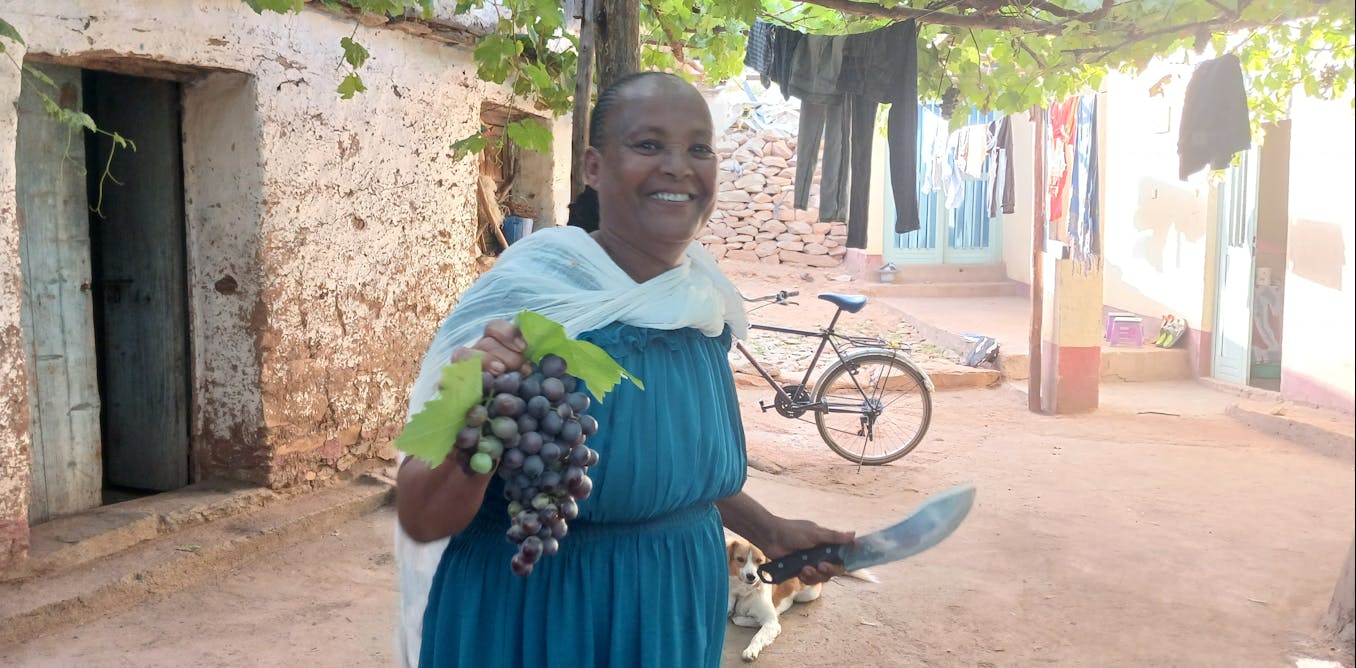
Photo: The Conversation
2026-07-22 07:32 Archeology 10


Tigray's Ancient Grapevines: A Genetic Treasure Preserved Through Generations
New research has uncovered the genetic and historical significance of Tigray’s ancient grapevines, which have thrived despite challenges.These vines, grown in household compounds and village gardens, are a testament to long-term smallholder management and cultural practices.Their ancestry traces back to the Aksumite era (150 BCE–800 CE), likely linked to ancient trade networks connecting the Mediterranean and Red Sea.
Genetic analysis reveals hybridization with Eritrean varieties introduced in the early 20th century, creating a unique landrace called Rubaksum Tsellim.These vines show resilience to dry conditions, making them valuable for climate adaptation.Local farmers have played a key role in preserving this heritage, highlighting the importance of traditional knowledge.The study underscores how agricultural biodiversity can offer solutions to modern challenges while safeguarding cultural identity.
Full reading at The Conversation
2186
Original title: Tigray's old grapevines have survived against the odds: new research uncovers their genetic and historic value
The AI system has determined that this news is clickbait/sensationalist: : The original title uses dramatic language like 'survived against the odds' which is sensationalist and aims to attract attention with hyperbole. This has coincided with the opinion of the majority of users.
You may also be interested in...
Yohanna Kusau: Champion of Primary Healthcare in Nigeria
 Federal University Wukari Stops All Sign-Out Celebrations on Campus Over Safety and Security Concerns
 Enugu Air Showcases Aviation Vision at Global Airshow