
 Namibian study shows that using children's home languages improves English reading and learning
KillBait - News highlights delivered clearly and responsibly—no clickbait, no sensationalism
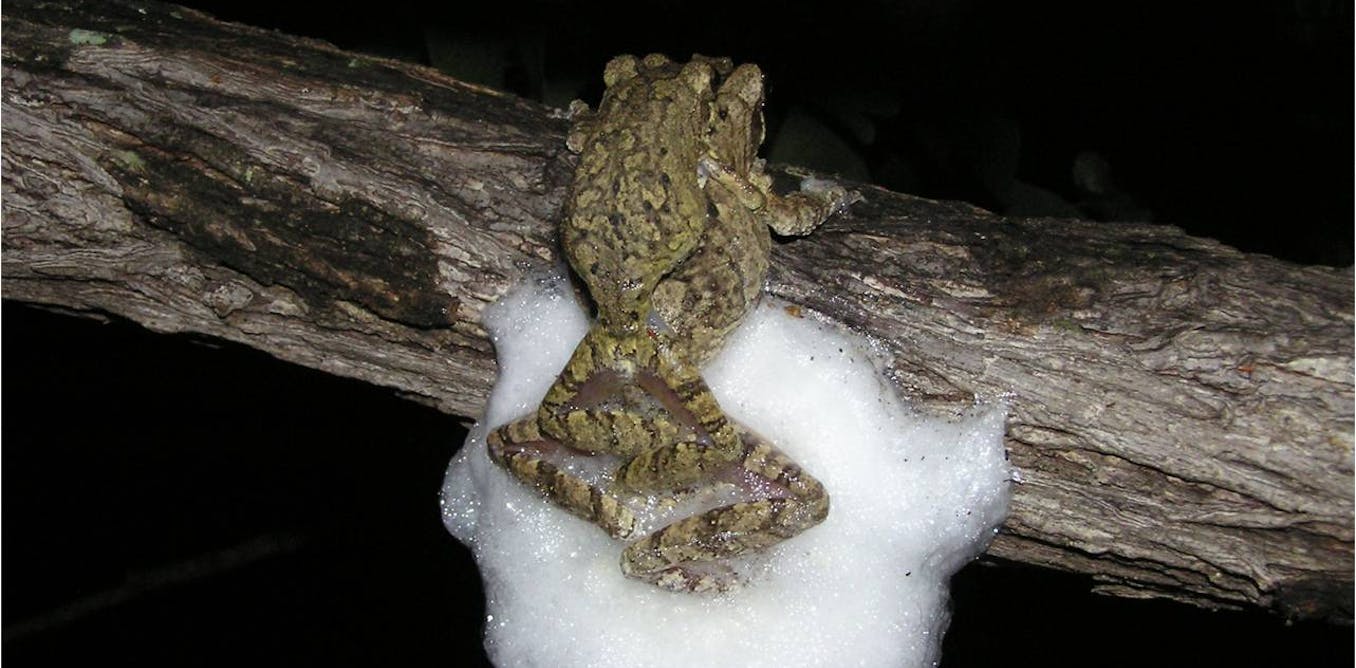
Photo: The Conversation
2026-07-23 19:52 Science 10


Treefrog mating strategy boosts nest survival through male collaboration
African grey foam-nest treefrogs (Chiromantis xerampelina) display unique reproductive behaviors where females mate with multiple males to improve nest quality.Research shows that polyandry, once thought rare, is common in nature.Females build foam nests by mixing water with secretions and whipping it into a dense foam using their hind legs.Males assist in nest construction by synchronizing their leg movements with the female, leading to larger, more moisture-retentive nests.This collaboration increases tadpole survival rates, as nests built with multiple males are less likely to dry out.
The study introduces the 'nesting-assistance hypothesis,' suggesting that male help in nest-building directly benefits females by enhancing offspring survival.
Similar nesting assistance behaviors are observed in other species like bees, birds, and fish, but this study highlights the overlooked role of male builders in evolutionary success.The findings emphasize how cooperative mating strategies can drive evolutionary advantages in animal reproduction.
Full reading at The Conversation
2186
Original title: The sex life of treefrogs: how females build better nests by mating with multiple partners
The AI system has determined that this news is clickbait/sensationalist: : Original title uses 'sex life' and sensational phrasing to attract attention, which is typical of clickbait headlines. This has coincided with the opinion of the majority of users.
You may also be interested in...
Namibian study shows that using children's home languages improves English reading and learning
 Federal Govt Launches $500m Research Fund for Genomics and Innovation
 Healthcare Training in Africa Must Embrace Family and Community Involvement