
 U.S., Iran and mediators discuss extending fragile ceasefire amid rising tensions
KillBait - News highlights delivered clearly and responsibly—no clickbait, no sensationalism
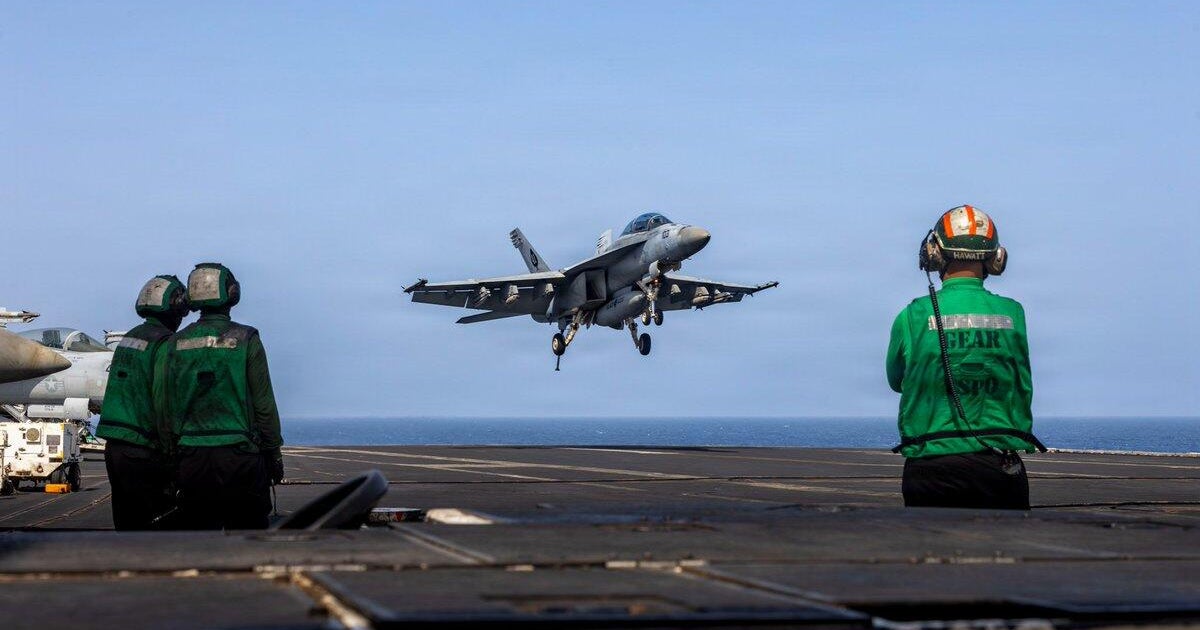
Photo: cbsnews.com
2026-05-30 07:46 Conflict 10 


U.S. and Iran Continue Ceasefire Negotiations Amid Ongoing Regional Tensions
As the U.S.-Iran conflict reaches its third month, both countries are negotiating a possible extension of their ceasefire by 60 days and discussing Iran's nuclear program.U.S.officials say a tentative memorandum of understanding has been drafted, but its implementation depends on President Trump's approval.Vice President JD Vance emphasized that while progress is being made, it remains uncertain whether the president will sign the deal.Meanwhile, ongoing military tensions persist.The Pentagon conducted defensive strikes on Iranian targets, prompting Iran to retaliate against U.S.installations, although Kuwaiti forces intercepted a missile aimed at Kuwait.The U.S.also imposed new sanctions on entities supporting Iran's military-linked petroleum exports, targeting Hong Kong-based companies and vessels.
Diplomatically, Pakistan is mediating talks, with Secretary of State Marco Rubio scheduled to meet Pakistani Foreign Minister Muhammad Ishaq Dar to discuss the latest developments.Iran's leadership insists on negotiations without humiliation and criticizes U.S.military actions as aggressive.President Trump has warned Oman against controlling the Strait of Hormuz, reflecting the sensitive strategic environment.
Overall, both sides continue to negotiate cautiously, balancing diplomatic progress with regional security concerns, while the ceasefire remains fragile and subject to ongoing military and political pressures.
2186
Original title: Live Updates: Vance says it's "still TBD" whether Trump will sign a U.S.-Iran deal, as both sides try to extend truce
The AI system has determined that this news is clickbait/sensationalist: : The original title emphasizes uncertainty and uses an insider quote ('still TBD') which sensationalizes the situation rather than clearly stating the ongoing diplomatic negotiations. This has coincided with the opinion of the majority of users.
You may also be interested in...
U.S., Iran and mediators discuss extending fragile ceasefire amid rising tensions
 Defense Secretary Pete Hegseth Faces Criticism for Speech to Navy Sailors in Singapore
 X-Bow certified for full-scale rocket motor production as Pentagon seeks to expand supply chain