
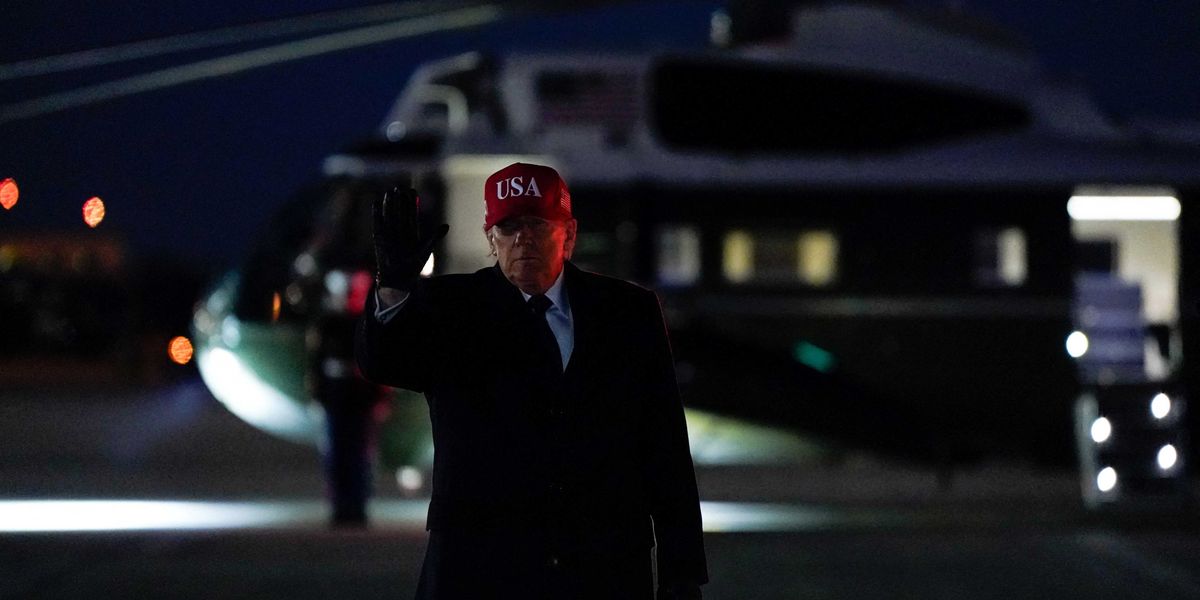
 Wall Street Journal Criticizes Trump’s Approach to Iran and Lebanon Ceasefire
KillBait - News highlights delivered clearly and responsibly—no clickbait, no sensationalism
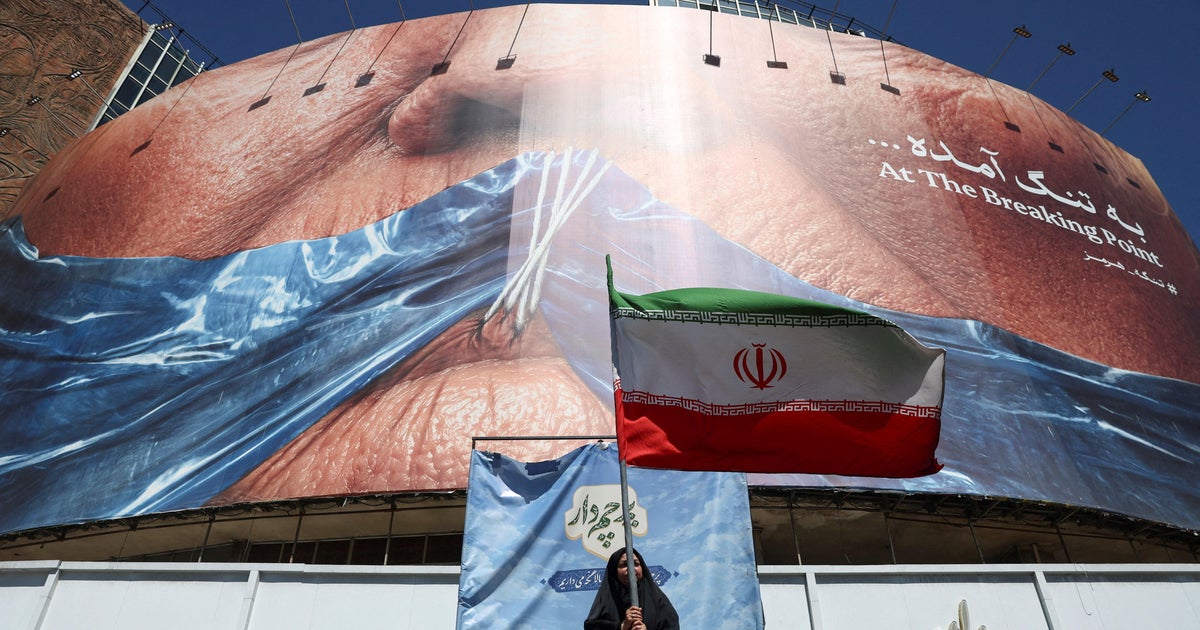
Photo: cbsnews.com
2026-05-26 23:05 Geopolitics 13 


U.S. and Iran Continue Negotiations Despite New Military Strikes and Regional Tensions
The United States and Iran continued indirect negotiations aimed at ending the regional conflict despite renewed military actions and growing tensions across the Middle East.U.S.
Central Command confirmed that American forces carried out what it described as “self-defense strikes” in southern Iran, targeting missile launch sites and boats allegedly attempting to deploy naval mines.U.S.officials insisted that the ceasefire framework remains active while talks continue through mediators in Qatar.
Secretary of State Marco Rubio stated that discussions on reopening the Strait of Hormuz were progressing and said a deal could still be reached within days.
President Donald Trump also said negotiations were “largely negotiated,” while warning that failure to secure an agreement could lead to renewed military escalation.
One major issue under discussion is Iran’s stockpile of highly enriched uranium, which Trump said should be destroyed under international supervision.Iranian officials acknowledged progress in negotiations but stressed that major obstacles remain due to changing U.S.positions.Iran’s Revolutionary Guard claimed it had shot down a U.S.MQ-9 drone and fired at additional American aircraft near Iranian airspace.
Supreme Leader Mojtaba Khamenei accused the United States of losing influence in the region and said neighboring countries would no longer act as protective buffers for U.S.military bases.Meanwhile, violence continued elsewhere in the region.
Israeli airstrikes in eastern and southern Lebanon reportedly killed multiple people as Israel intensified operations against Hezbollah ahead of planned talks in Washington.Oil prices dropped sharply on expectations that a possible agreement could stabilize shipping through the Strait of Hormuz.Iran also began restoring internet access after months of restrictions imposed during wartime unrest and anti-government protests.
2256
Original title: Live Updates: Iran and U.S. agree deal to end war taking shape, but Iran says obstacles remain
The AI system has determined that this news is not clickbait/sensationalist: : The original title is largely factual and descriptive. While it references military strikes and ceasefire negotiations, it does not exaggerate events or use emotionally manipulative language intended to provoke clicks. This has coincided with the opinion of the majority of users.
You may also be interested in...
Wall Street Journal Criticizes Trump’s Approach to Iran and Lebanon Ceasefire
 Concerns Over Escalation Pathways and Nuclear Risk in U.S. Policy Toward Iran
Divisions emerge in MAGA media over U.S.–Iran conflict and potential peace deal
Concerns Over Escalation Pathways and Nuclear Risk in U.S. Policy Toward Iran
Divisions emerge in MAGA media over U.S.–Iran conflict and potential peace deal