
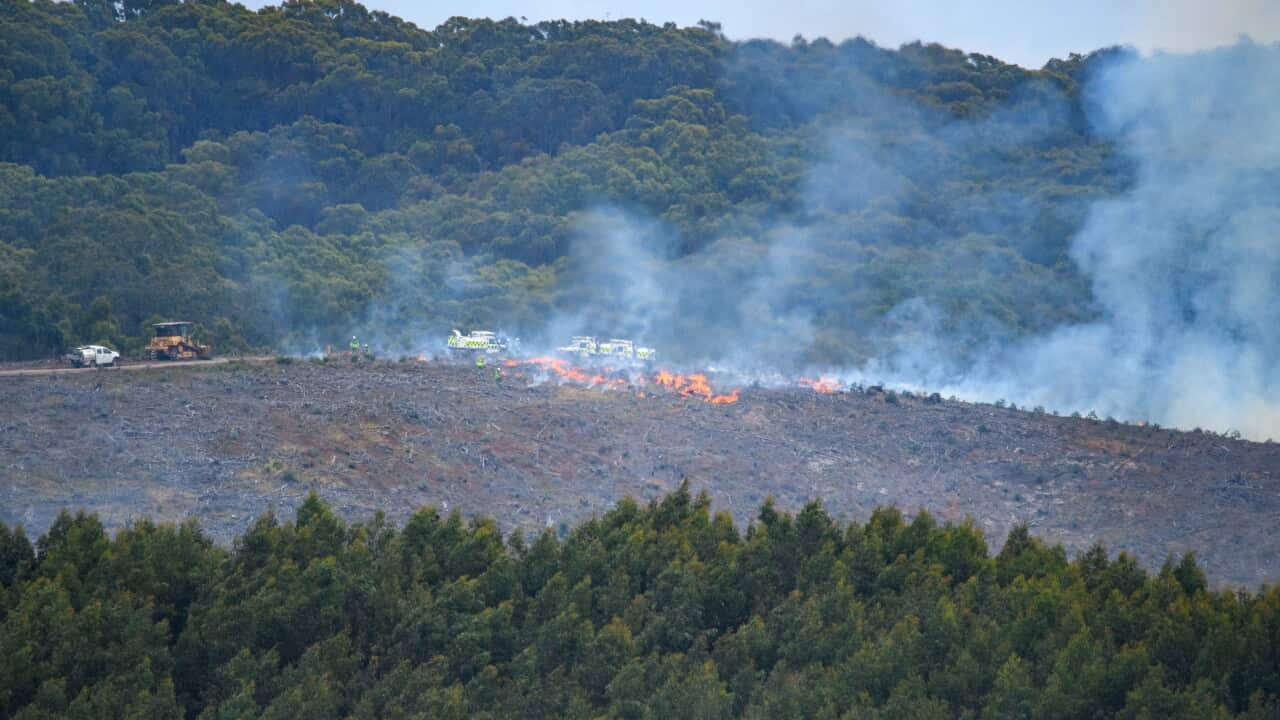
 Australian farmers prepare for possible El Niño conditions amid growing climate change impacts
KillBait - News highlights delivered clearly and responsibly—no clickbait, no sensationalism
Photo: Crikey
2026-05-28 20:14 Climate change 12 


Updated climate scenarios phase out extreme worst-case emissions pathway as policy progress reshapes projections
A recent analysis discusses changes to the suite of global climate change scenarios used by scientists to project future warming outcomes.The article explains that the widely referenced high-emissions pathway known as RCP8.5, and its successor SSP5-8.5, has been removed from a new set of seven updated climate scenarios.
These scenarios are used by researchers to model how the climate may evolve depending on different levels of greenhouse gas emissions and policy action.The worst-case scenario assumed a future in which countries make no meaningful effort to reduce emissions and continue expanding fossil fuel use.
While this pathway has often been used as a benchmark for extreme climate risk in scientific literature and public discussion, recent assessments suggest it is becoming increasingly unlikely due to global climate policies, renewable energy growth, and partial decarbonisation trends.
The article notes that the removal of this scenario reflects the idea that human action has already shifted the world away from the most extreme emissions trajectory.However, the update does not imply that climate risks have diminished significantly.
Instead, scientists emphasise that while the most extreme outcomes may be less plausible, the world has also failed to achieve the most optimistic climate pathways.Current projections still show substantial warming under intermediate scenarios, depending on future emissions reductions.The revised scenario set aims to provide a more realistic framework for climate modelling, policy planning, and risk assessment.The discussion also highlights how climate scenarios influence public debate and political attention, noting interest from high-profile figures.
Overall, the changes are presented as an adjustment to scientific modelling based on evolving real-world emissions trends, rather than a reduction in the urgency of climate action.
2226
Original title: Scientists have scrapped the worst‑case climate scenario — because action is making a difference
The AI system has determined that this news is not clickbait/sensationalist: : The original title uses strong wording like 'scrapped the worst-case climate scenario', which could sound dramatic, but it accurately reflects a scientific update to scenario modelling rather than exaggerating or misleading the reader. This has coincided with the opinion of the majority of users.
You may also be interested in...
Australian farmers prepare for possible El Niño conditions amid growing climate change impacts
 Study finds layered urban vegetation can reduce heat stress more effectively than trees alone
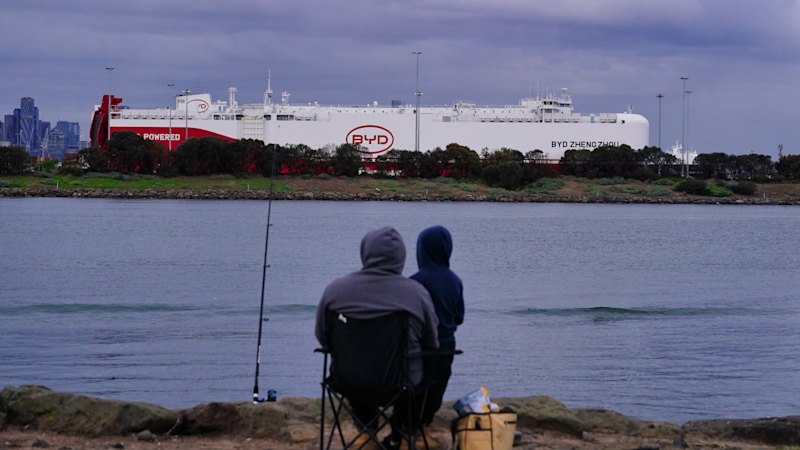 BYD car carrier arrives in Melbourne with 5,000 EVs amid rising Australian demand