
 Exciton-Magnetic Interactions Pave Way for Quantum Technologies
KillBait - News highlights delivered clearly and responsibly—no clickbait, no sensationalism

Photo: ScienceDaily
2026-07-17 10:24 Science 11


Wildlife Behavior Varies Based on Human Threat Type
A study conducted by researchers at the Indian Institute of Science (IISc) reveals that animals exhibit distinct behavioral responses to different types of human threats.
The research highlights how species react differently to lethal versus non-lethal interactions with humans, challenging the common perception of humans as an overarching threat to wildlife.For instance, while many animals flee from human presence, others display curiosity or indifference.
The study also found that certain environments, such as roads and settlements, can act as refuges for some species, altering traditional predator-prey dynamics.These findings have significant implications for conservation strategies and wildlife management practices.
By understanding how animals perceive and respond to human activity, researchers can develop more effective measures to mitigate conflicts between humans and wildlife.
The study emphasizes the importance of context in shaping animal behavior, suggesting that simplistic assumptions about human dominance over nature are often inaccurate.This work contributes to broader discussions on coexistence strategies and the need for nuanced approaches to ecosystem management.
2206
Original title: Are humans really the ultimate super-predator?
The AI system has determined that this news is clickbait/sensationalist: : The original title uses hyperbolic language ('ultimate super-predator') to sensationalize the topic, which is more attention-grabbing than factual. The study's actual focus on nuanced animal behavior rather than a dramatic 'super-predator' narrative makes the title clickbait. This has coincided with the opinion of the majority of users.
You may also be interested in...
Exciton-Magnetic Interactions Pave Way for Quantum Technologies
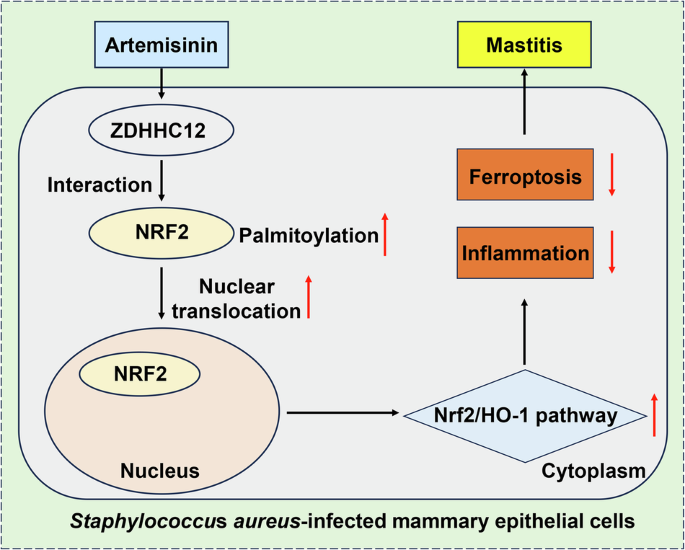 Artemisinin's Role in Combating Mastitis Through Anti-Inflammatory and Anti-Ferroptotic Mechanisms
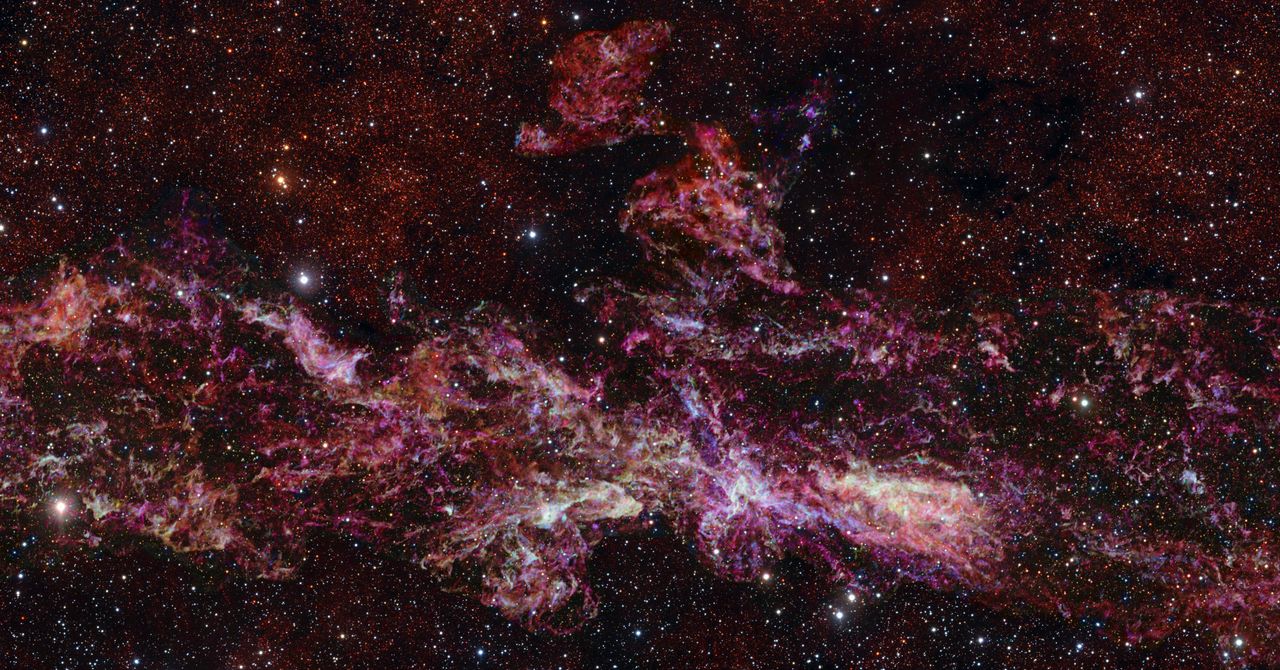 Scientists Discover Sugar Molecule in Interstellar Space