
 SoftBank to invest €75 billion in large-scale data center expansion across France
KillBait - News highlights delivered clearly and responsibly—no clickbait, no sensationalism
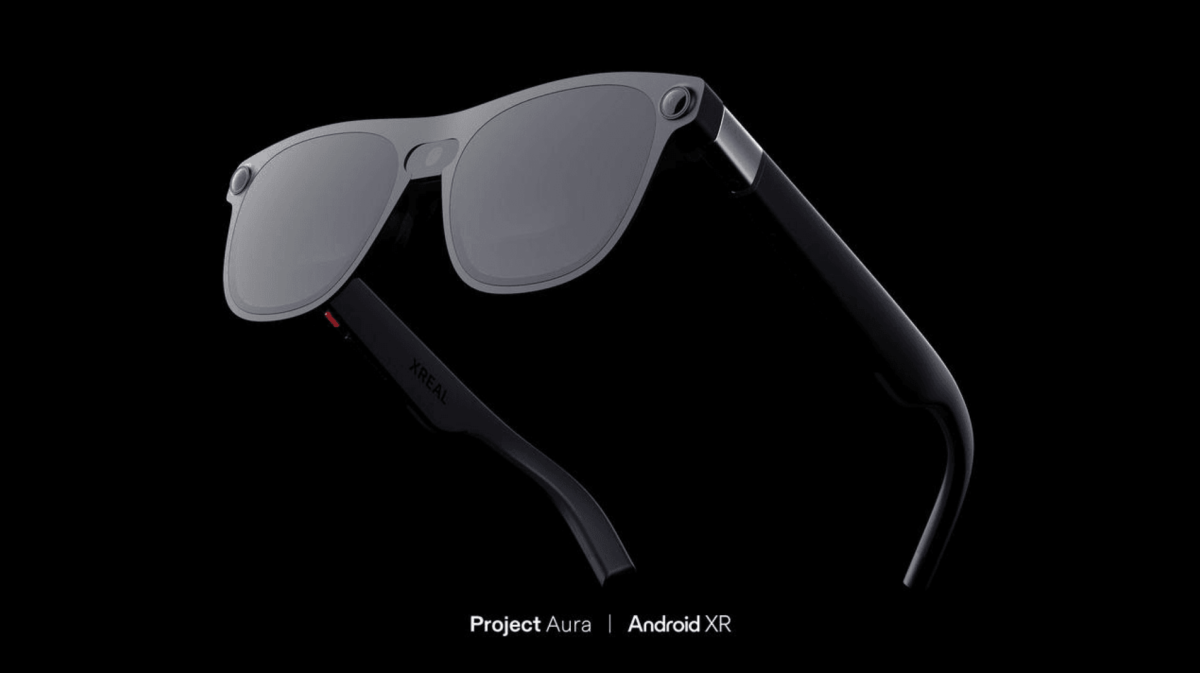
Photo: TechCrunch
2026-05-25 00:25 Technology 14 


Xreal claims smart glasses market is reaching a turning point with new XR glasses and Google partnership
Xreal, a long-time partner of Google in the smart glasses space, believes the notoriously difficult augmented reality and smart glasses industry may finally be approaching a turning point.
For years, the sector has struggled with high costs, limited consumer adoption, and underwhelming software experiences, leading many companies to burn significant capital without achieving profitability.
According to Xreal CEO Chi Xu, the challenges stem from the need to simultaneously perfect hardware, operating systems, and user interfaces, a combination that has historically been difficult to achieve.However, Xu now argues that recent advances suggest the industry is beginning to mature.
A key reference point for this optimism is Meta’s partnership with Ray-Ban, which has demonstrated that stylish, consumer-friendly smart glasses can achieve meaningful unit sales, even though Meta’s Reality Labs division continues to operate at a substantial loss.
Against this backdrop, Xreal is positioning its latest product, Project Aura, as a next-generation XR glasses system designed to make immersive computing more practical and appealing.
Aura features OLED displays embedded into the glasses and relies on a tethered pocket-sized computing device, or 'puck,' to power the experience.
Despite its slightly awkward form factor, the system enables a range of applications, including immersive Google Maps navigation, VR YouTube viewing, hand-tracking-based gaming, a holographic painting app, and basic web browsing.
Xreal envisions use cases ranging from entertainment, such as watching movies on a virtual large screen, to productivity scenarios like working in a coffee shop with a private virtual workspace.Currently, Aura is only available to developers, but a commercial launch is planned later this year.The company is also preparing for a potential IPO before the end of 2026.
Financially, Xreal says it is improving margins and reducing marketing costs, with CEO Chi Xu suggesting the company could reach break-even as early as next year if current trends continue.
2257
Original title: Xreal, Google’s smartglasses partner, thinks it has finally mastered this notoriously tricky industry
The AI system has determined that this news is clickbait/sensationalist: : The original title uses strong framing such as 'finally mastered' and 'notoriously tricky industry,' which emphasizes drama and resolution in a way that is more sensational than strictly factual reporting, making it somewhat clickbait-like even though it reflects the article’s content. This has coincided with the opinion of the majority of users.
You may also be interested in...
SoftBank to invest €75 billion in large-scale data center expansion across France
 Apple Plans Significant Camera Upgrades for Future iPhones, Including Variable Aperture and Ultra-Wide Module Changes
 University of Illinois Develops Scalable 3D Silicon Chip Technology for Higher Computing Density