
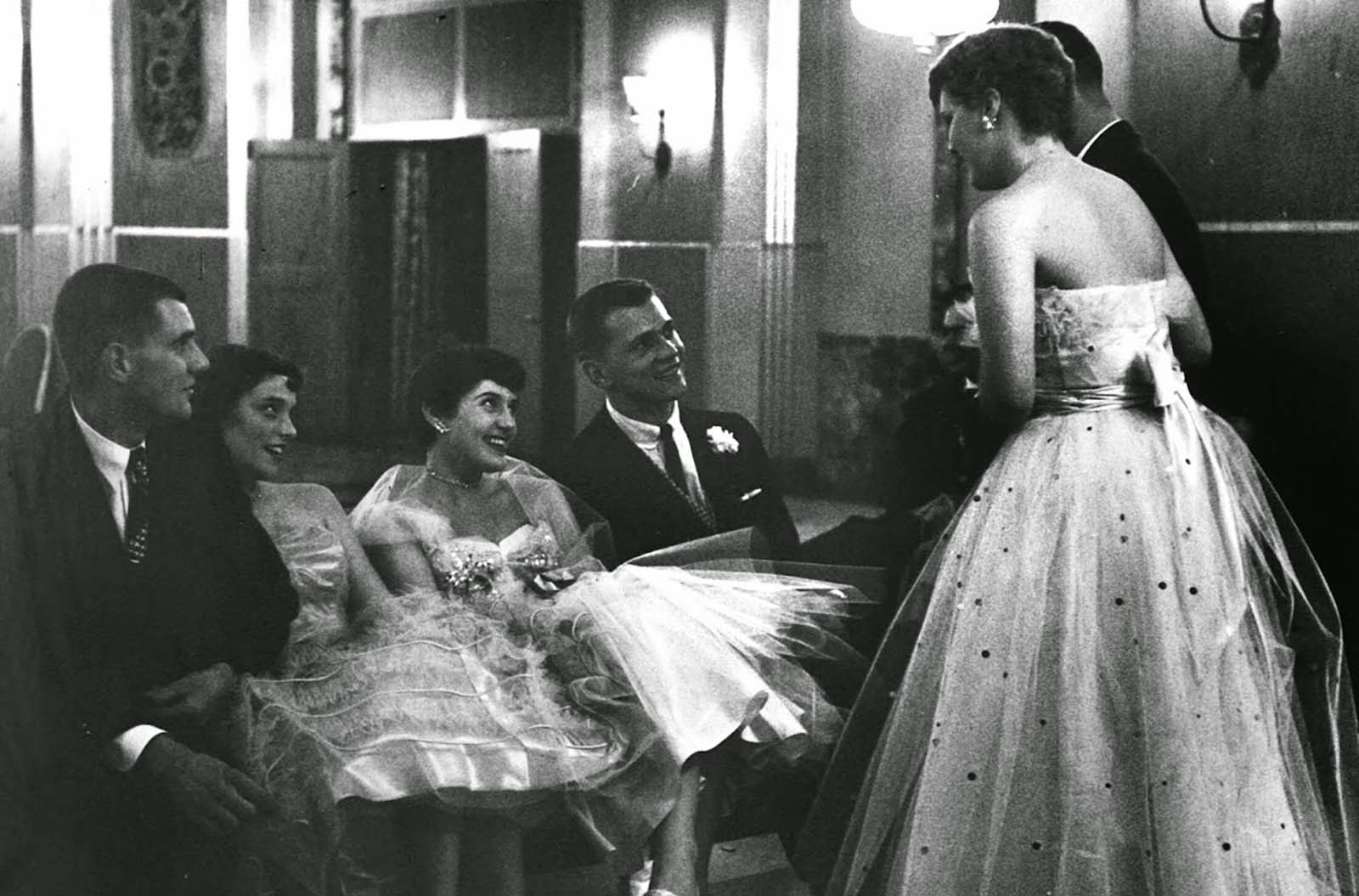
 A Glimpse into American Teen Life in the 1950s Through Photographs
KillBait - News highlights delivered clearly and responsibly—no clickbait, no sensationalism
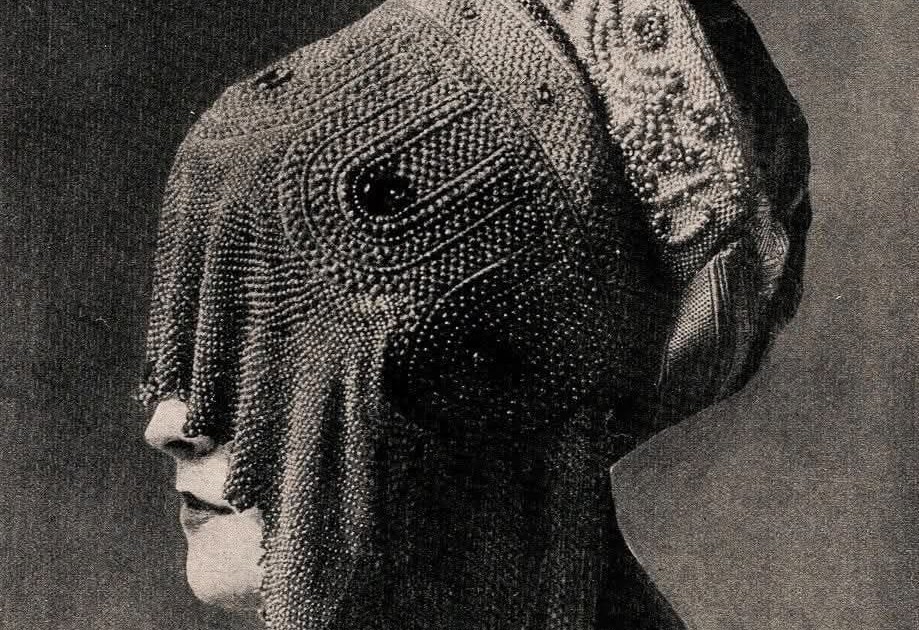
Photo: vintag.es
2026-05-29 11:18 History 17 


19th-Century Russian Kokoshnik Headdress and Its Cultural Significance
The article explores the historical and cultural significance of the kokoshnik, a traditional Russian women’s headdress widely associated with late 19th-century fashion and earlier centuries of Slavic heritage.The kokoshnik is described as a crest-shaped ornamental headpiece typically worn with the sarafan, a traditional jumper-style dress.Its origins can be traced back as early as the 10th century in Veliky Novgorod.The name derives from the Old Slavic word “kokosh,” meaning hen or cockerel, inspired by the headdress’s resemblance to a bird’s crest.Historically, the kokoshnik held strong social and cultural meaning.
It was primarily reserved for married women, reflecting Orthodox Christian customs in which married women were expected to keep their hair covered in public.Unmarried girls instead wore a similar but open-backed version known as a povyazka.
The kokoshnik functioned not only as a garment but also as a marker of identity, signaling a woman’s marital status, regional origin, and social class.Each design could communicate subtle information about the wearer’s background.The construction of authentic kokoshniks was highly skilled and resource-intensive.
They were typically built on a rigid base made from birch bark or thick cardboard and covered with luxurious materials such as silk, velvet, or damask.
Decorative elements often included pearls, mother-of-pearl, gold embroidery, and precious stones, making them valuable family heirlooms passed down through generations.
By the late 19th century, the kokoshnik remained an important symbol of Russian cultural heritage, reflecting both aesthetic traditions and social structures of the time.The article emphasizes its role as both a fashion object and a cultural artifact.
2300
Original title: Girl in Russian Kokoshnik, Late 19th Century
The AI system has determined that this news is not clickbait/sensationalist: : The original title is descriptive and informational, clearly indicating the subject (a historical image of a girl wearing a Russian kokoshnik in the late 19th century) without sensationalism or emotional manipulation. This has coincided with the opinion of the majority of users.
You may also be interested in...
A Glimpse into American Teen Life in the 1950s Through Photographs
 The Narrow Door at Portugal’s Alcobaça Monastery and the Legend of the “Fat-Catcher” Door
 1948 MG TC Special Roadster: A Classic Postwar British Roadster