
 Rethinking Sexuality in Prehistory: Cooperation, Social Bonds, and Evolutionary Strategy
KillBait - News highlights delivered clearly and responsibly—no clickbait, no sensationalism
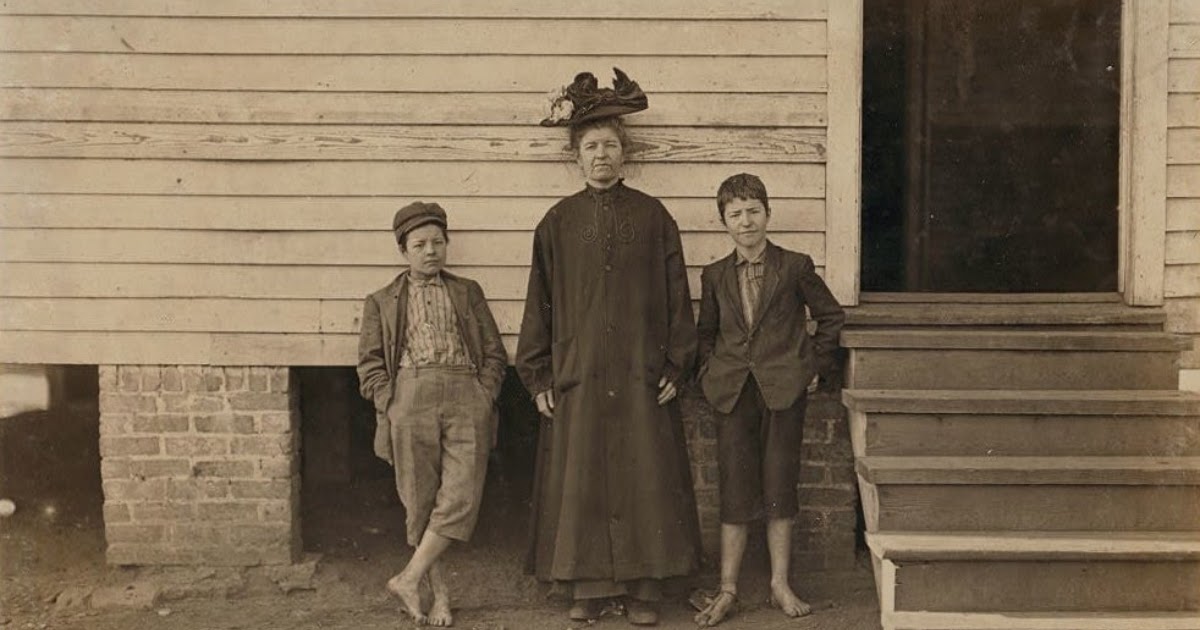
Photo: vintag.es
2026-05-23 19:58 History 17 


A 1909 Lewis Hine Photograph of Mrs. S.J. Bonner and Her Sons Working in a Georgia Textile Mill
The article presents a historical photograph taken in 1909 by documentary photographer Lewis Hine in Macon, Georgia, as part of his work for the National Child Labor Committee.The image shows Mrs.S.J.Bonner alongside her two sons, all of whom were employed at Bibb Mill No.1.
The family’s circumstances reflect the economic hardships faced by many working-class Americans in the early 20th century, particularly in industrializing Southern states.After the death of her husband, Mrs.Bonner and her children left their farm and moved to the city in search of stable income, ultimately finding work in the textile mills.Mrs.Bonner earned approximately $3.50 per week, while her two sons together earned about $4.90, highlighting how entire families, including children, were often required to contribute financially to survive.The text emphasizes the harsh realities of mill work during this era, including long hours, low wages, and difficult working conditions.
Child labor was a common and socially accepted practice in many industries at the time, especially in textile manufacturing, where families depended on every possible source of income.
The article notes that, when adjusted for inflation, the combined earnings of the family would be roughly equivalent to about $300 per week today, though this amount still reflects a precarious standard of living.
Lewis Hine’s photograph serves as both a historical document and a piece of social reform advocacy, capturing the vulnerability and resilience of working families.It highlights the broader labor issues that eventually led to reforms in child labor laws in the United States.
The Bonner family’s experience stands as a representative example of the many families who endured industrial hardship during this period in American history.
2298
Original title: Mrs. S.J. Bonner and Two Boys Photographed in Macon, Georgia in 1909
The AI system has determined that this news is not clickbait/sensationalist: : The original title is factual and descriptive, clearly stating the subjects, location, and year of the photograph without sensational language or exaggeration, so it is not clickbait. This has coincided with the opinion of the majority of users.
You may also be interested in...
Rethinking Sexuality in Prehistory: Cooperation, Social Bonds, and Evolutionary Strategy
 How 19th-Century Whaling Routes Help Explain a Rare Providence–Cape Verde Flight
 A Collection of Early 20th Century Good Housekeeping Magazine Covers (1910–1919)