
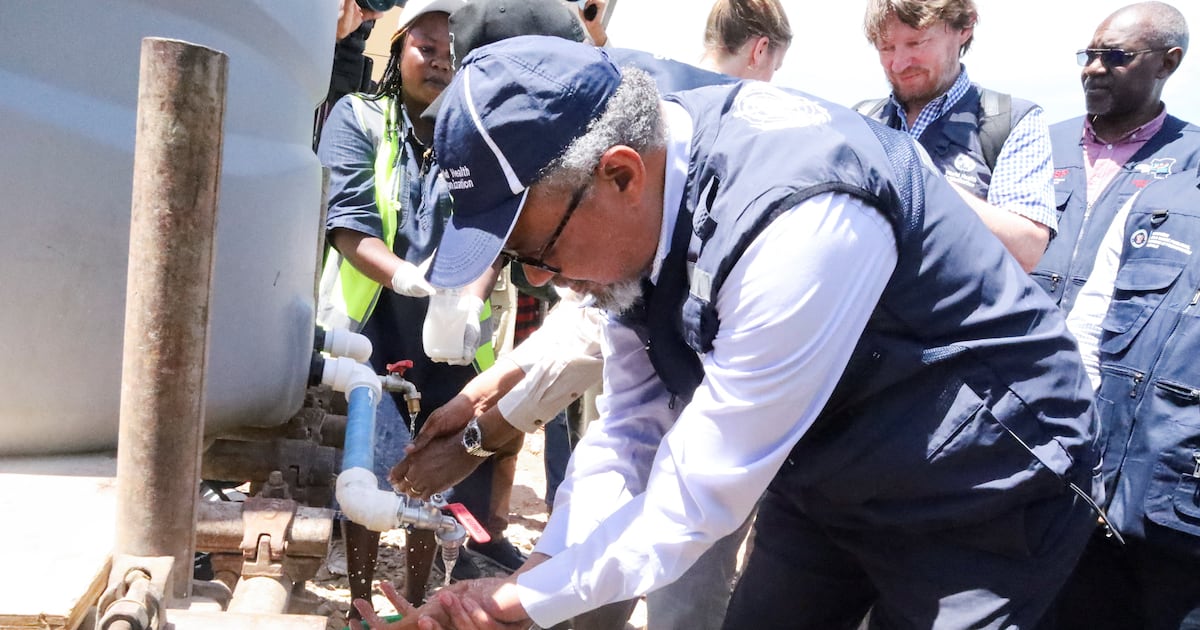
 WHO urges safe burials and faster response amid escalating Ebola outbreak in DRC
KillBait - News highlights delivered clearly and responsibly—no clickbait, no sensationalism
Photo: allAfrica.com
2026-05-28 10:44 Health 11 


Africa: regional health, humanitarian and security updates across DR Congo, Uganda, Ghana and Angola
The latest continental update highlights a range of pressing health, humanitarian and socio-economic developments across Africa.In the Democratic Republic of Congo (DR Congo), the World Health Organization (WHO) has raised alarm over a rapidly spreading Ebola outbreak in Ituri province, warning of a “catastrophic collision” between disease and ongoing armed conflict.
Authorities report nearly 1,000 suspected cases and over 220 suspected deaths, with insecurity, displacement and attacks on health facilities severely undermining containment efforts.Cross-border spread has been confirmed, with Uganda reporting linked infections, including healthcare workers, and at least one death.
In response, Uganda has temporarily closed its border with DR Congo and introduced strict screening and a 21-day self-isolation requirement for arrivals.
Elsewhere, Ghana has repatriated nearly 300 of its citizens from South Africa amid rising concerns over anti-immigrant tensions linked to protests against illegal migration.Around 297 Ghanaians were flown back to Accra, with hundreds more registered for voluntary return as authorities monitor growing public unrest.
In Angola, the death toll from an illegal gold mine collapse in Nambuangongo has risen to 29, with several injured and ongoing search and recovery operations.Authorities have also launched enforcement actions against illegal mining networks, resulting in dozens of arrests under Operation “Gold Thread 2”.Families of victims are receiving government support and assistance with funerals.
On the economic front, Ghana is accelerating its renewable energy transition, with solar power identified as a key pillar in reducing reliance on thermal generation.The country aims to raise renewable energy capacity from around 5% to 7% by 2027.
New projects, including floating solar installations and rural electrification programmes backed by international partners, are expanding access to clean energy for remote communities.
Together, these developments reflect ongoing challenges across the continent, from public health emergencies and conflict-driven instability to migration pressures, industrial safety concerns and energy transition efforts.
2208
Original title: All of Africa Today
The AI system has determined that this news is not clickbait/sensationalist: : The original title references a WHO warning using strong language, but it accurately reflects the severity of the Ebola outbreak situation and is part of a broader news digest rather than being purely sensational or misleading. This has coincided with the opinion of the majority of users.
You may also be interested in...
WHO urges safe burials and faster response amid escalating Ebola outbreak in DRC
 Zambia increases Ebola screening and surveillance after suspected cases test negative amid DRC outbreak
 Kenyan Doctors Union Raises Concerns Over Proposed US Ebola Quarantine Site