
 Fair Work Commission increases minimum wage by 4.75% following annual review amid economic pressures
KillBait - News highlights delivered clearly and responsibly—no clickbait, no sensationalism

Photo: Australian Financial Review
2026-05-29 08:19 Economy 12 


Analysis of Australia’s Rich List: wealth trends, property dominance and billionaire comparisons
This article examines the structure and trends behind Australia’s Rich List using a data-driven approach presented through seven charts.It focuses on how wealth is distributed among Australia’s richest individuals and highlights the continued dominance of older generations, particularly baby boomers, in accumulating and holding significant fortunes.
A key theme is the central role of property investment in building and sustaining wealth, with real estate remaining a foundational asset class for many of Australia’s wealthiest individuals.
The analysis also explores the broader scale of accumulated wealth among the country’s elite, noting the trajectory towards a combined fortune approaching the trillion-dollar mark.This reflects both long-term capital growth and the expansion of high-value industries such as mining, technology, and finance.
The piece places Australian wealth in a global context by comparing local billionaires with international figures, including Elon Musk, to illustrate the relative scale of Australian fortunes.
Prominent wealthy individuals such as Gina Rinehart, Mike Cannon-Brookes, Scott Farquhar, and Kerry Packer’s legacy are referenced in discussions of how wealth is concentrated and evolves over time.
The article highlights how intergenerational wealth transfer, asset appreciation, and market cycles have reinforced existing wealth hierarchies rather than disrupted them.
Overall, the report provides a statistical and visual breakdown of who holds wealth in Australia, how it has changed over time, and what factors continue to shape the country’s richest cohort.It underscores the resilience of property as a wealth driver and the persistence of established fortunes in defining Australia’s economic elite.
Full reading at Australian Financial Review
2226
Original title: Boomers, property still reign: The Rich List explained (in 7 charts)
The AI system has determined that this news is not clickbait/sensationalist: : The original title is descriptive and reflects the article’s content about Australia’s Rich List and wealth distribution. While it uses a catchy phrase (“boomers, property still reign”), it is not overly sensational or misleading and accurately signals the topic and analytical nature of the piece. This has coincided with the opinion of the majority of users.
You may also be interested in...
Fair Work Commission increases minimum wage by 4.75% following annual review amid economic pressures
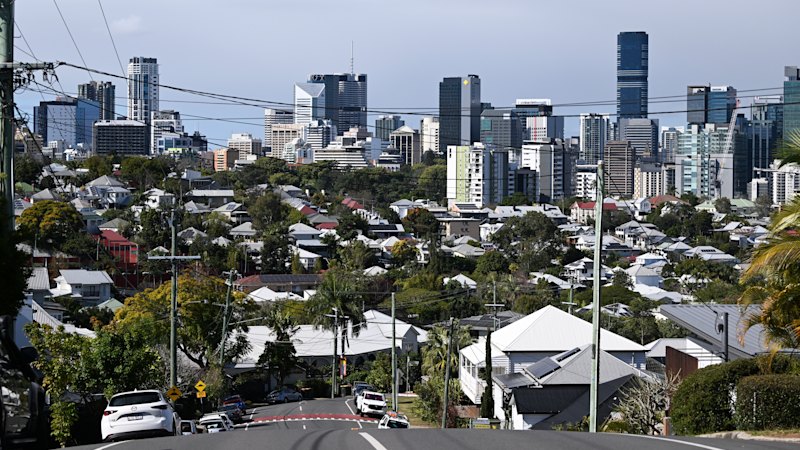 Brisbane property prices continue rising as market momentum slows amid supply shortages and affordability pressures
 Experts warn Brisbane housing market may face increased downside risks amid tax changes and weaker buyer demand