
 Emergency C-section saves newborn gorilla at Seattle zoo with help from veterinary and human medical team
KillBait - News highlights delivered clearly and responsibly—no clickbait, no sensationalism
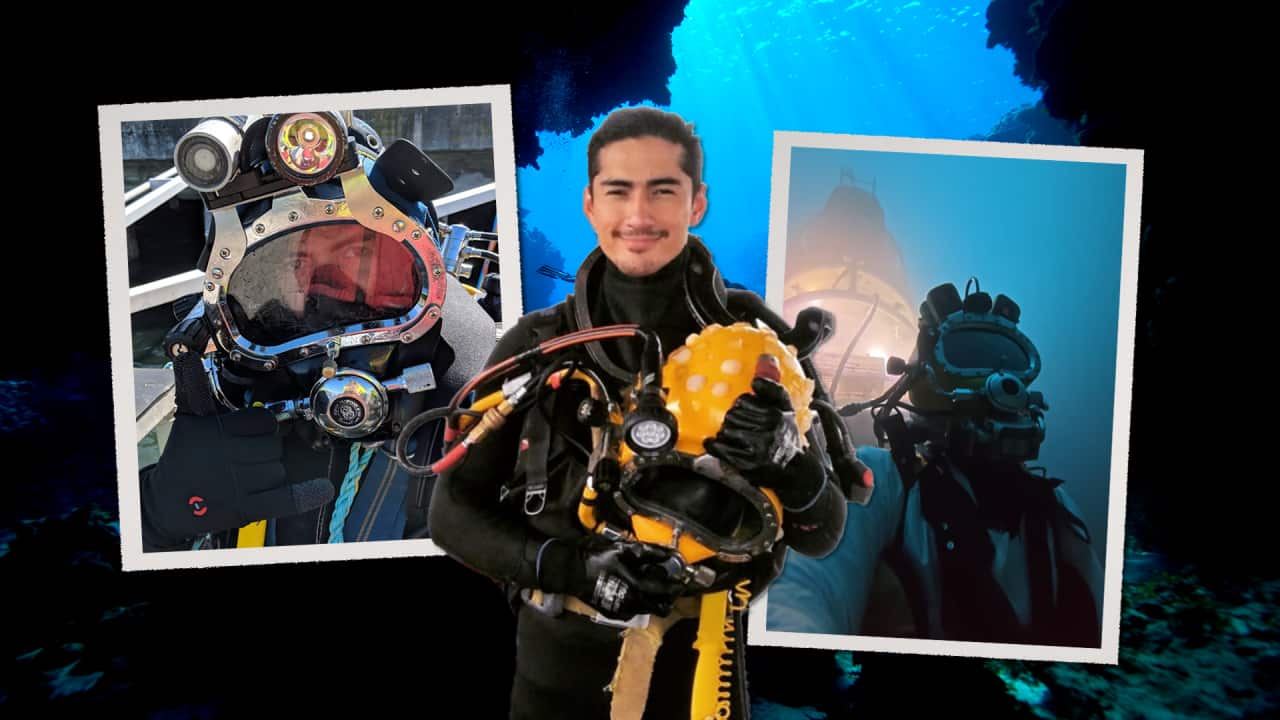
Photo: SBS Australia
2026-05-28 13:50 Science 14 


Australian saturation divers describe life in pressurised underwater chambers working in extreme conditions
The article explores the extraordinary and highly specialised world of saturation diving through the experiences of Australians Reg Hyde and Chris Eckert.
These commercial divers spend weeks at a time living inside small, pressurised chambers aboard offshore support vessels, designed to replicate the extreme pressures found 50 to 300 metres below sea level.
From these chambers, they are transported in a diving bell to the ocean floor to carry out demanding underwater work on oil rigs, pipelines, wrecks and subsea infrastructure.
Reg describes spending up to 28 days without seeing the sky or breathing fresh air, calling the experience “like prison sometimes”, though he remains passionate about the job and the unique access it gives him to deep ocean environments.
Chris echoes similar sentiments, noting that while isolation can be mentally challenging, the work is rewarding and the seafloor is one of the most peaceful places he has experienced.
Divers breathe a helium-oxygen mix known as heliox to prevent dangerous effects of pressure, but this causes their voices to become high-pitched and distorted.They also undergo long decompression periods, sometimes lasting up to five days, to safely return to normal atmospheric pressure.
The job carries significant risks, including decompression sickness, hypothermia, equipment failure and long-term health effects such as lung strain and infections.Despite the dangers, saturation diving is highly structured and safety-focused, with multiple backup systems and strict protocols.
Divers are supported by surface teams and medical staff, and they can earn substantial pay for their time offshore, often around $30,000 for a 28-day rotation.The story also highlights the psychological aspects of the profession, including boredom, isolation, and the challenges of maintaining relationships.
However, many divers are drawn to the sense of adventure, teamwork and achievement, as well as the rare opportunity to work in one of the most extreme environments on Earth.
2257
Original title: Weeks in the dark, breathing helium: The Australians doing one of the world's weirdest jobs
The AI system has determined that this news is clickbait/sensationalist: : The original title uses the phrase 'feels like prison' and contrasts it with enjoyment ('and they love it'), which is designed to be emotionally provocative and attract clicks, even though the article itself is a serious occupational profile rather than sensational news. This has coincided with the opinion of the majority of users.
You may also be interested in...
Emergency C-section saves newborn gorilla at Seattle zoo with help from veterinary and human medical team
 Blue Origin's New Glenn rocket explodes on pad during hotfire test; company to rebuild
 Rare trunk-brooding red pipefish confirmed in Sydney waters after eggs observed on male specimen