
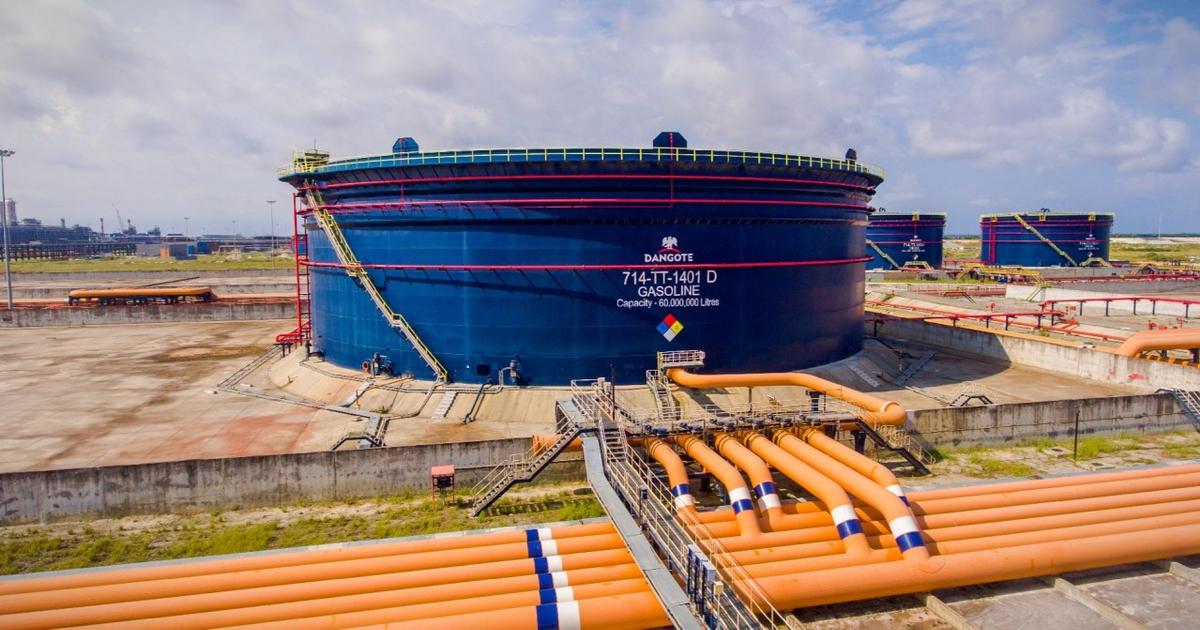
 Dangote Refinery becomes Europe's largest aviation fuel supplier, exports ₦757bn worth of jet fuel to continent
KillBait - News highlights delivered clearly and responsibly—no clickbait, no sensationalism

Photo: Businessday NG
2026-07-08 10:53 Economy 10


Balancing Local Aviation Goals with Global Financing in Nigeria
Nigeria's aviation sector faces a tough balancing act between boosting local participation and maintaining access to global financing.The Fly Nigeria Bill aims to redirect government travel spending to domestic airlines, creating a stable revenue stream.
However, this initiative must navigate challenges like foreign exchange volatility, reliance on international lessors, and existing Bilateral Air Service Agreements (BASAs) that favor foreign carriers.
Aircraft leasing remains critical for Nigerian airlines due to high capital costs, but local content policies risk increasing operational costs without addressing financing constraints.
The success of the Fly Nigeria Bill depends on harmonizing local ambitions with international investment needs, ensuring Nigeria's aviation sector remains competitive while retaining economic value.Key challenges include legal risks for lessors, currency depreciation impacts, and treaty obligations that could clash with domestic mandates.
A sustainable path requires strengthening legal frameworks, improving creditor protections, and fostering public-private partnerships to reduce over-dependence on foreign capital while preserving access to global markets.
Full reading at Businessday NG
2186
Original title: Fly Nigeria Bill and Aircraft Leasing: Balancing Local Content Aspirations with Global Financing Realities
The AI system has determined that this news is clickbait/sensationalist: : The original title uses dramatic language and promises a balance between local and global aspects, which is typical of clickbait headlines. This has coincided with the opinion of the majority of users.
You may also be interested in...
Dangote Refinery becomes Europe's largest aviation fuel supplier, exports ₦757bn worth of jet fuel to continent
 IMF Raises Concern Over Unrecorded Government Spending Equivalent to 2% of Nigeria’s GDP
 UN survey highlights economic challenges hindering youths' ability to start families in Nigeria