
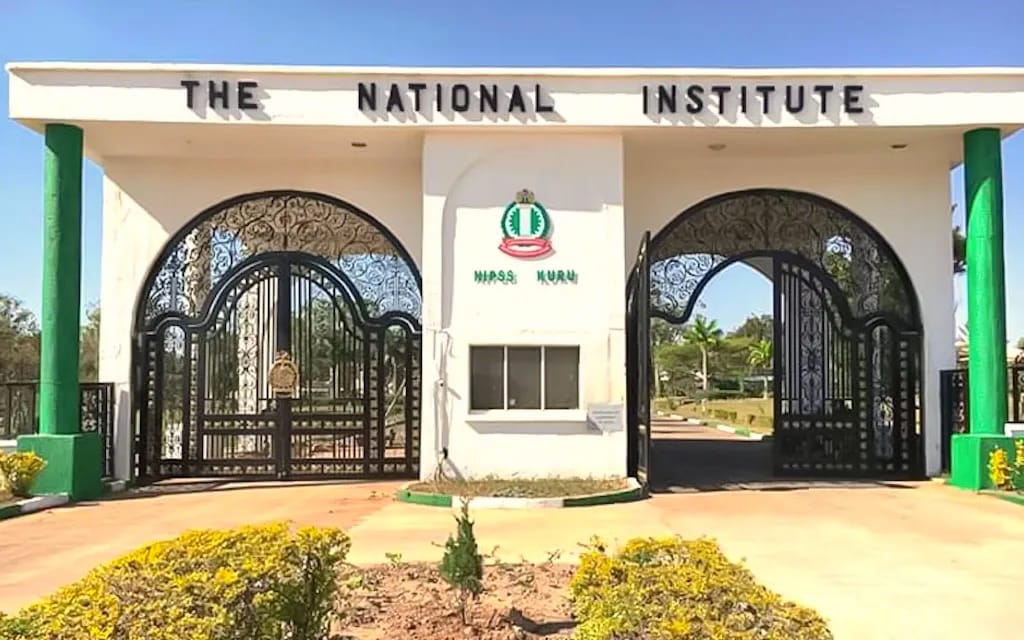
 Security operatives repel armed attack on NIPSS Kuru, one suspect killed
KillBait - News highlights delivered clearly and responsibly—no clickbait, no sensationalism
Photo: Businessday NG
2026-07-02 12:43 Economy 10 


IMF Raises Concern Over Unrecorded Government Spending Equivalent to 2% of Nigeria’s GDP
The International Monetary Fund (IMF) don raise serious concern about how Nigeria dey manage im public finances, especially as e relate to budget transparency and reporting of government spending.
According to IMF resident representative for Nigeria, Christian Ebeke, the country no properly record public expenditure worth about 2% of im Gross Domestic Product (GDP), which don create mismatch between official fiscal deficit and the real amount of money government dey actually need to borrow.
Ebeke explain say part of the issue come from large government capital projects wey dey executed off-budget, meaning dem no fully appear inside official budget documents or implementation reports.This situation make am difficult for analysts and policymakers to properly understand Nigeria true fiscal position and level of public investment.
E also warn say such gaps for reporting fit reduce coordination between fiscal and monetary authorities because decision-makers no dey see complete picture of government financing needs.
The IMF further highlight say this kind off-budget spending raise serious questions about procurement transparency, accountability, and proper oversight of public resources.
Even though Nigerian authorities don start to review and amend some budget-related laws to include previously unrecorded expenditure, Ebeke stress say improved and updated budget implementation reports still dey necessary to close the gap fully.
The IMF Article IV consultation also acknowledge say Nigeria recent macroeconomic reforms don help improve investor confidence and economic stability.
However, the Fund caution say these gains never yet translate into better living standards for many citizens and still remain vulnerable to external shocks like global conflicts and economic disruptions.
Overall, the report emphasize say stronger fiscal transparency and better reporting systems go be key for sustainable economic management and public trust in Nigeria financial governance.
Full reading at Businessday NG
2186
Original title: Nigeria’s budget transparency under scrutiny as IMF cites missing 2% of GDP
The AI system has determined that this news is not clickbait/sensationalist: : The original title is factual and neutral, clearly describing IMF concerns about Nigeria's budget transparency and missing GDP-linked expenditure. It no contain exaggerated language or emotional framing, so e no be clickbait. This has coincided with the opinion of the majority of users.
You may also be interested in...
Security operatives repel armed attack on NIPSS Kuru, one suspect killed
 Anambra Police Commissioner Reiterates Need for Professional Conduct Among Officers
 Study shows shared brain mechanism between Buddhist jhāna meditation and Pentecostal speaking in tongues