
 How Night Train Guards Helped Passengers Feel Safe on the London Underground in the 1960s
KillBait - News highlights delivered clearly and responsibly—no clickbait, no sensationalism
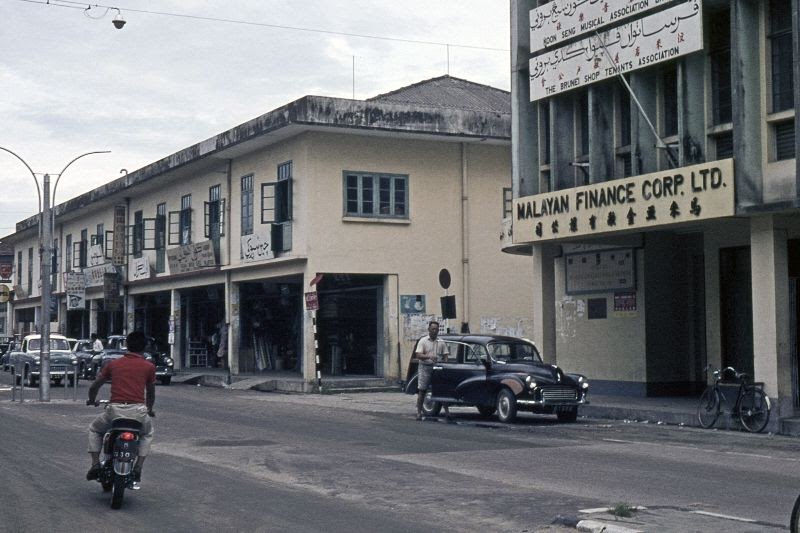
Photo: vintag.es
2026-05-23 06:48 History 31 


Brunei in 1965: Modernization and Cultural Heritage Under Sultan Omar Ali Saifuddien III
The mid-1960s were a transformative period for Brunei, marking a turning point in the nation's journey toward modernity.Under Sultan Omar Ali Saifuddien III, known as the 'Architect of Modern Brunei,' the capital, Brunei Town (now Bandar Seri Begawan), experienced significant changes fueled by newfound oil wealth.
This prosperity enabled large-scale development projects, most notably the Sultan Omar Ali Saifuddien Mosque, whose golden dome became a symbol of national pride and modernization.
While modernization brought new schools, hospitals, and infrastructure, traditional life in Kampong Ayer, the water village, continued to serve as the heart of the community.
Vintage photographs from 1965 capture a snapshot of Brunei’s streets, religious sites, water village life, and elite residences, illustrating the balance between tradition and progress.The images provide a glimpse into a society on the brink of change, navigating the tension between cultural heritage and modern development.
These historical moments highlight how Brunei leveraged its economic resources to shape both its urban landscape and social services, setting the stage for its future growth.
2422
Original title: Brunei in the Mid-1960s: A Sultanate on the Cusp of Modernity
The AI system has determined that this news is not clickbait/sensationalist: : The original title accurately reflects the historical and cultural focus of the article without exaggeration or sensationalism. This has coincided with the opinion of the majority of users.
You may also be interested in...
How Night Train Guards Helped Passengers Feel Safe on the London Underground in the 1960s
 A Collection of Early 20th Century Good Housekeeping Magazine Covers (1910–1919)
 Leonard McCombe’s 1948 LIFE Photo Essay Documents Navajo Daily Life and Hardships