
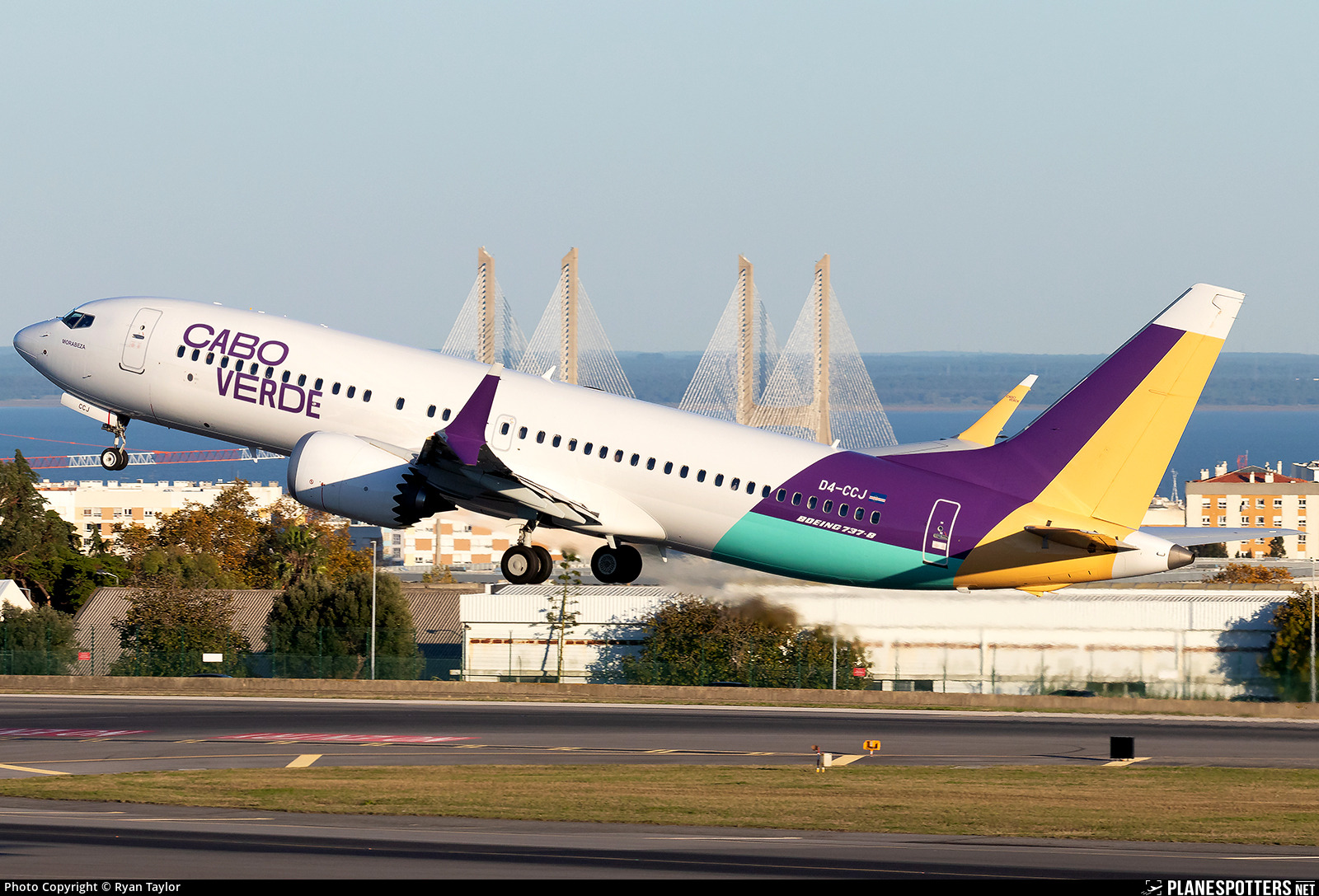
 How 19th-Century Whaling Routes Help Explain a Rare Providence–Cape Verde Flight
KillBait - News highlights delivered clearly and responsibly—no clickbait, no sensationalism
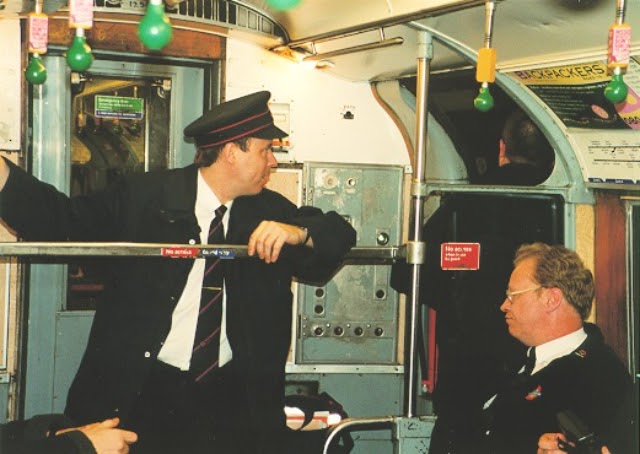
Photo: vintag.es
2026-05-23 11:12 History 32 


How Night Train Guards Helped Passengers Feel Safe on the London Underground in the 1960s
The article reflects on the role of train guards who worked on London Underground night services during the 1960s, especially on the Central Line.These guards, usually stationed in the final carriage of the train, became familiar figures for late-night passengers traveling through the city.
Their job was not only operational but also psychological, as their visible presence helped create a sense of safety and reassurance for commuters returning home late at night.
Workers finishing long shifts, people leaving social events, and individuals traveling alone often felt more secure knowing a uniformed guard was nearby.According to the article, these guards eventually became part of the identity and culture of London’s subway system.
Their uniforms, calm demeanor, and regular presence were seen as symbols of order and human connection within an otherwise mechanical and impersonal transportation network.
The piece emphasizes that the guards represented a human face of public transit during an era when underground travel could feel isolated and intimidating, especially late at night.The article also discusses how the role gradually disappeared by the 1990s.
Advances in technology, cost-cutting measures, automated systems, CCTV surveillance, and changing operational priorities led transport authorities to eliminate many onboard guard positions.While modernization improved efficiency, the article argues that something valuable was lost in the process.
The disappearance of these guards marked the end of a period when passenger reassurance depended not only on technology but also on visible human presence.The story is accompanied by historical photographs credited to SQUAREWHEELS.org.uk, preserving memories of a past era of London transportation.
2428
Original title: London Underground Train Guards at Night in the 1960s
The AI system has determined that this news is not clickbait/sensationalist: : The original title accurately describes the subject of the article without exaggeration, sensationalism, or misleading claims. It clearly states that the article is about London Underground train guards during the 1960s. This has coincided with the opinion of the majority of users.
You may also be interested in...
How 19th-Century Whaling Routes Help Explain a Rare Providence–Cape Verde Flight
 A Collection of Early 20th Century Good Housekeeping Magazine Covers (1910–1919)
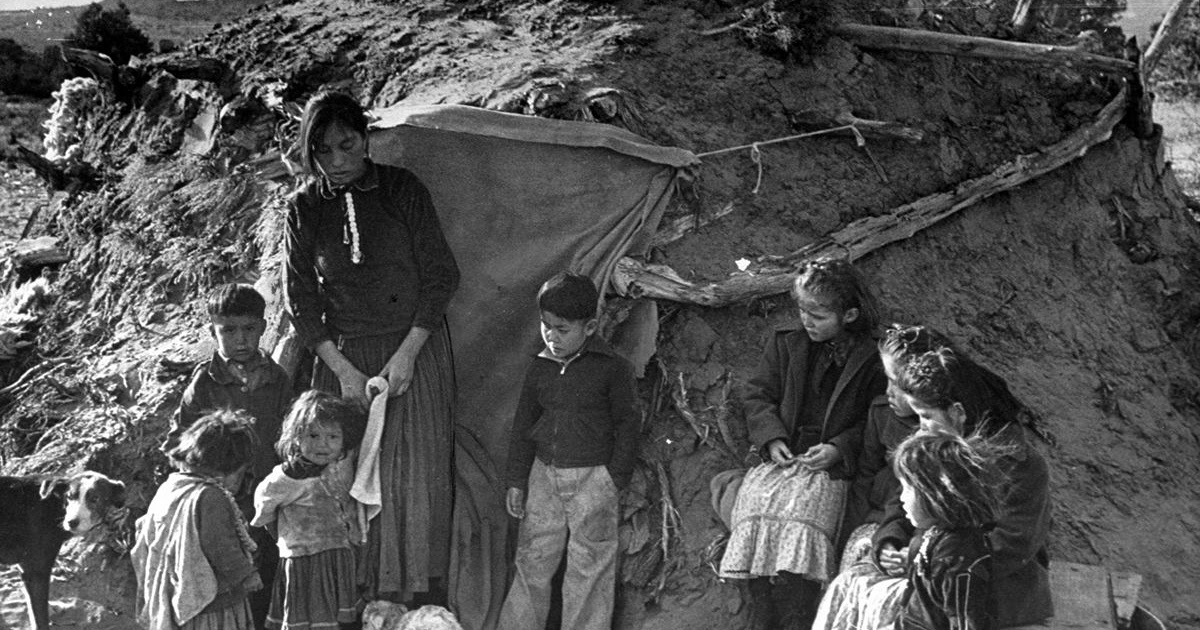 Leonard McCombe’s 1948 LIFE Photo Essay Documents Navajo Daily Life and Hardships