
 Supreme Court orders review of Mississippi death row conviction over alleged jury selection racial bias
KillBait - News highlights delivered clearly and responsibly—no clickbait, no sensationalism
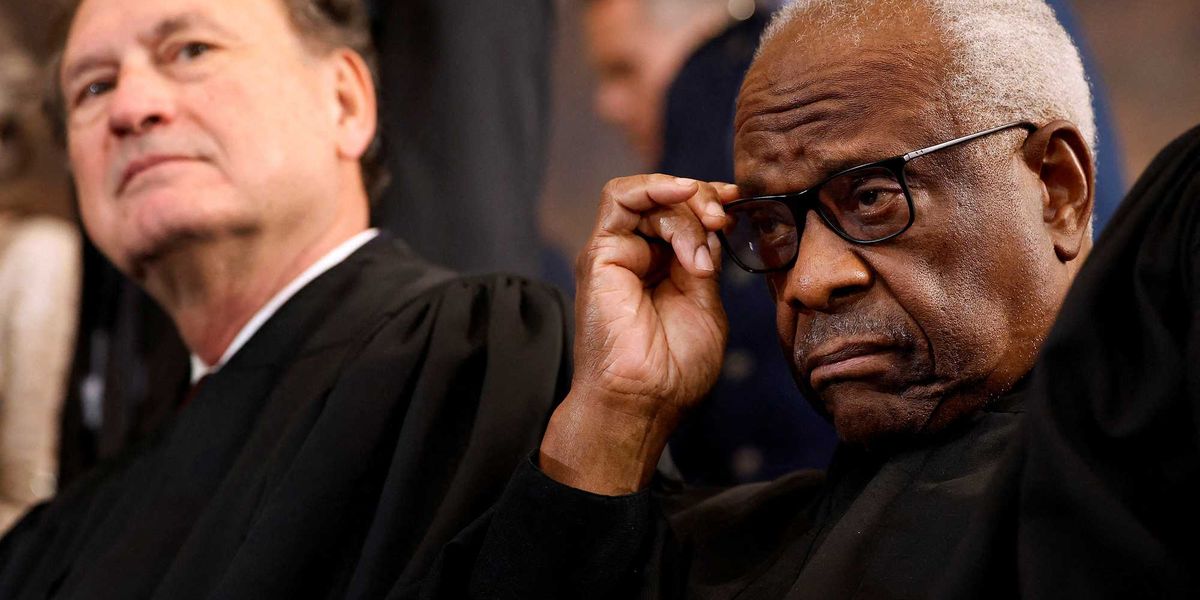
Photo: Raw Story - Celebrating 20 Years of Independent Journalism
2026-05-26 19:30 Justice 36 


Clarence Thomas dissent criticized after Supreme Court rejects Florida interstate lawsuit over driver’s licenses
The U.S.Supreme Court declined to hear a lawsuit brought by Florida against California and Washington, which alleged that those states improperly allowed undocumented immigrants to obtain commercial driver’s licenses.
The case stemmed from concerns raised after a fatal crash in Florida last year involving an undocumented immigrant, prompting the state to attempt an unusual legal action against other states.The Court rejected Florida’s request without providing a written opinion, effectively ending the case at the federal level.
However, the decision included a dissent from Justice Clarence Thomas, joined by Justice Samuel Alito, who argued that the Court should have taken up the case.
Thomas wrote that Florida had no other venue available to pursue its claims and suggested that the Court should have exercised jurisdiction over the dispute between states.
His reasoning, particularly an analogy implying that such disputes could be likened to acts of hostility between separate countries, drew significant public criticism.Legal scholars, policy analysts, and commentators sharply pushed back on the dissent.
Critics described the analogy as flawed and misleading, arguing that the issuance of commercial driver’s licenses to individuals with temporary legal authorization is not comparable to interstate aggression or acts of war.
Some immigration law experts characterized the reasoning as detached from legal reality, while others said it reflected an overly politicized interpretation of the case.
At the same time, some legal observers noted that the jurisdictional question raised by Thomas and Alito is not entirely unprecedented, but argued that it does not compel the Court to accept such disputes.
The ruling highlights ongoing tensions within the Supreme Court over federal jurisdiction, state-level conflicts, and immigration-related policy disputes.
The case ultimately underscores the broader legal and political debates surrounding immigration enforcement and interstate legal authority in the United States.
Full reading at Raw Story - Celebrating 20 Years of Independent Journalism
2451
Original title: Clarence Thomas faces blistering criticism for 'flagrant nonsense' dissent in new ruling
The AI system has determined that this news is clickbait/sensationalist: : The original title uses emotionally charged language such as 'blistering criticism' and 'flagrant nonsense,' which frames the dissent in a sensational and provocative way rather than neutrally describing the legal issue. This has coincided with the opinion of the majority of users.
You may also be interested in...
Supreme Court orders review of Mississippi death row conviction over alleged jury selection racial bias
 Supreme Court clarifies Batson jury selection standards in Mississippi racial bias case
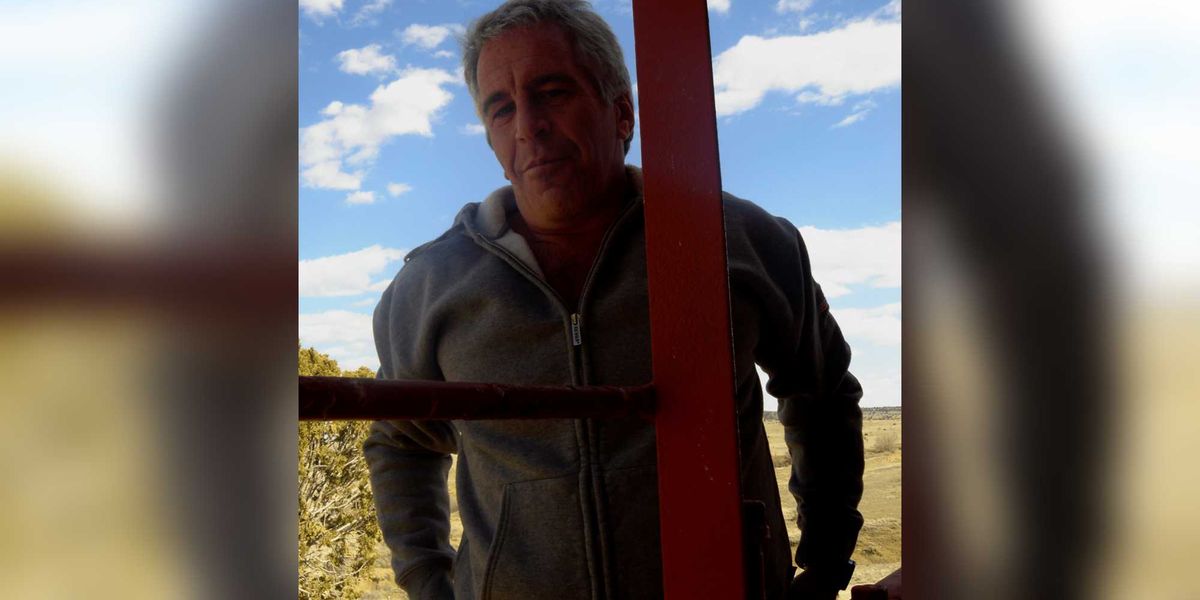 Questions raised over New Mexico officials' handling of former prosecutor linked to Jeffrey Epstein