
 Zanzibar Opposition Challenges Mandatory National Service for Local Youth
KillBait - News highlights delivered clearly and responsibly—no clickbait, no sensationalism

Photo: The Africa Report
2026-06-01 19:10 Politics 10 


Concerns rise over ruling party-linked youth groups accused of violent behaviour in Kinshasa
In the Democratic Republic of Congo (DRC), concerns are growing over the role of informal youth groups linked to the ruling party as the country moves closer to the 2028 elections and possible constitutional changes.According to the report, these groups are increasingly being accused of acting like violent militias, especially in the capital, Kinshasa.
One of the key figures mentioned is Ngandu wa Ngandu Kennedy, also known as ‘Anti-balles’, who is associated with the Force du Progrès in the Ngaliema area, an organisation linked to the ruling party.
On 9 February 2026, he appeared in a video showing him free after previously facing a death sentence, which was later reduced to two years in prison, a sentence he was considered to have already served.This development has raised questions about accountability and justice in politically connected cases.
The article highlights growing fears that such groups, which are informally tied to political structures, may be operating with little oversight and are accused of using violence and intimidation in the capital.Critics say their actions contribute to insecurity and weaken trust in public institutions.
At the same time, the political climate in the DRC is becoming more tense as discussions around constitutional changes ahead of the 2028 elections continue, raising concerns about power consolidation and political stability.
Overall, the situation reflects deeper challenges in governance, where youth political mobilisation, security enforcement, and party-linked organisations may be overlapping in ways that create tension on the streets of Kinshasa.The report suggests that without clearer regulation and accountability, such groups could further escalate instability in urban areas.
Full reading at The Africa Report
2186
Original title: DRC: Félix Tshisekedi’s street fighters rule the roost in Kinshasa
The AI system has determined that this news is clickbait/sensationalist: : The original title uses the phrase 'street fighters rule the roost', which is quite sensational and dramatized language. It emphasises conflict in a provocative way rather than neutrally describing the political and security situation involving youth groups linked to the ruling party. This has coincided with the opinion of the majority of users.
You may also be interested in...
Zanzibar Opposition Challenges Mandatory National Service for Local Youth
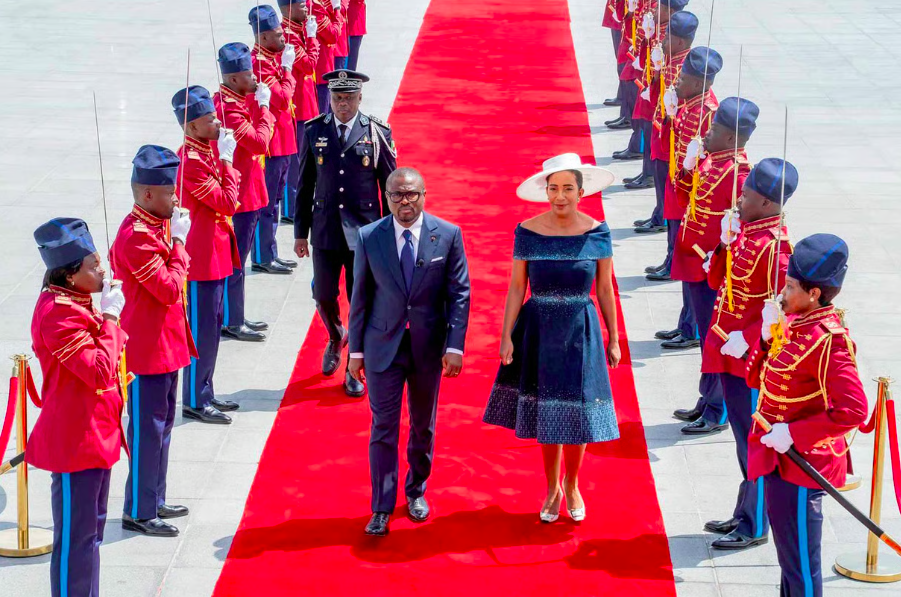 President Wadagni forms 24-member loyalist cabinet in Benin after inauguration
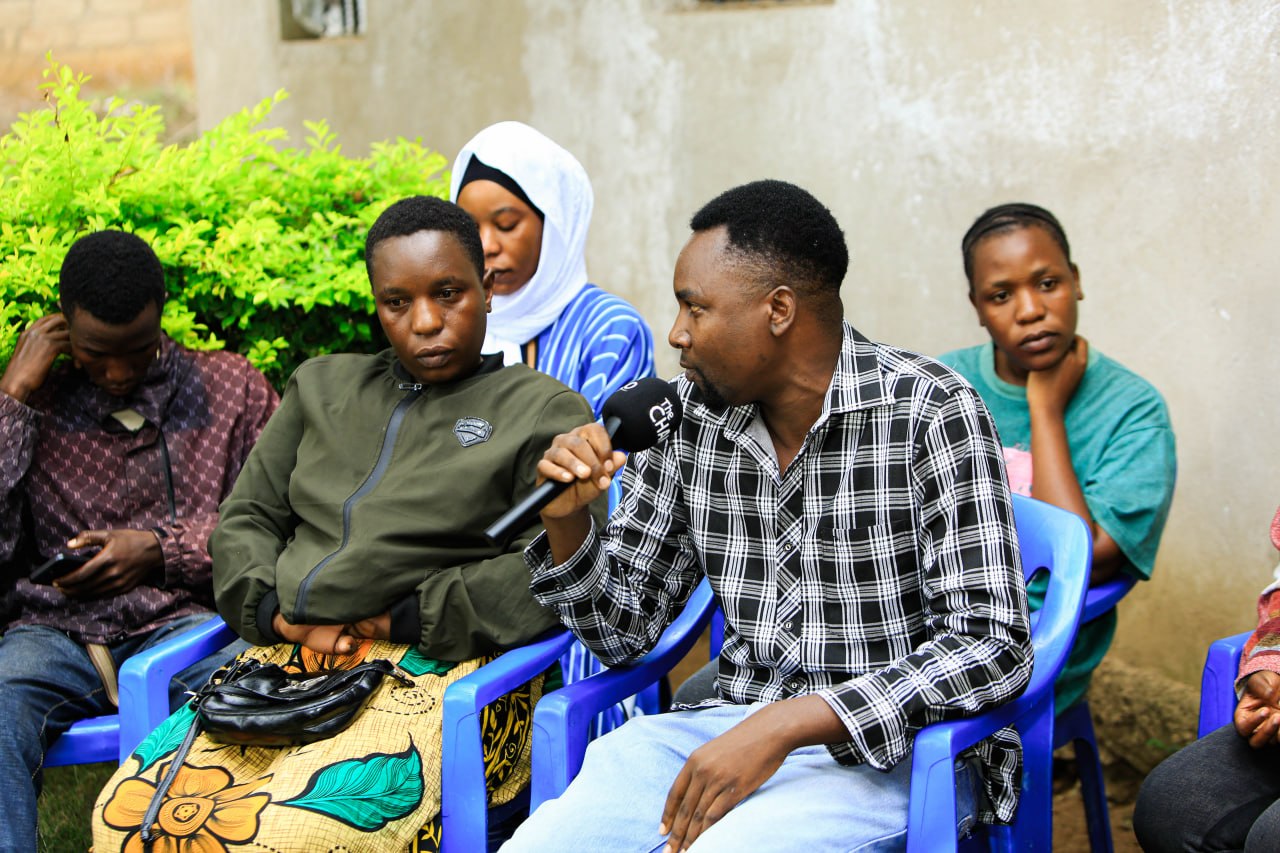 Musoma Youth Raise Concerns Over Inaccessible Government Loans and Lack of Local Accountability