
 Studio Portraits of African American Women in the Late 19th Century Showcasing Elegance and Resilience
KillBait - News highlights delivered clearly and responsibly—no clickbait, no sensationalism
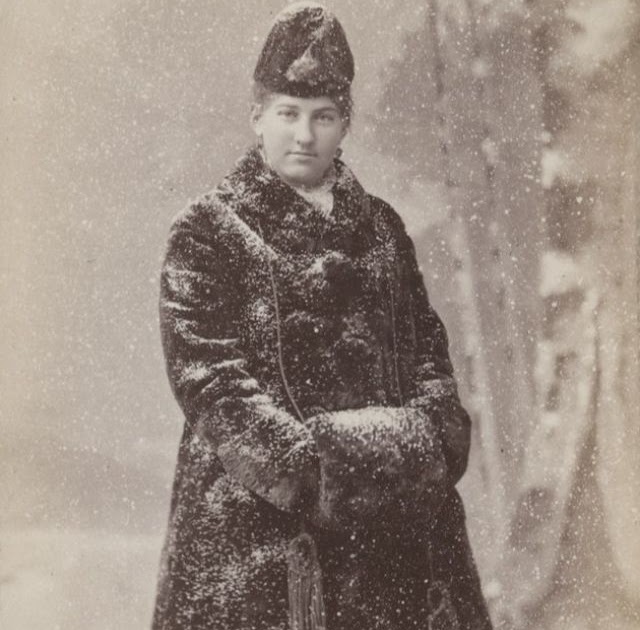
Photo: vintag.es
2026-05-26 00:42 History 32 


Early 20th-Century Studio Portraits Featuring Artificial Snow Effects
The article explores a popular photographic trend from the early 20th century in which studio portraits were designed to simulate snowy winter scenes.
At a time when outdoor photography was often difficult due to harsh weather conditions, photographers creatively recreated winter environments inside their studios.
These staged portraits commonly featured children, couples, or families posed in front of painted backdrops depicting snow-covered landscapes, forests, or cozy interior scenes with wintry views outside a window.To enhance the illusion of snowfall, photographers used simple and accessible materials such as cotton batting, shredded paper, and white powder.
These props were carefully arranged around subjects, at the base of the set, or placed on branches and decorative elements to mimic freshly fallen snow.
The controlled studio setting allowed photographers to carefully manage lighting, composition, and exposure, resulting in polished and visually appealing images that would have been difficult to achieve outdoors.Beyond their technical ingenuity, these portraits also reflected cultural and emotional values of the time.They were often created to commemorate holidays, particularly Christmas and winter celebrations, and to capture sentimental family moments.The artificial snow scenes added a sense of fantasy and warmth, transforming simple portraits into romanticized depictions of winter life.
Rather than striving for realism, these photographs embraced theatricality and charm, offering viewers a nostalgic and idealized vision of the season.Today, they serve as historical artifacts that reveal both early photographic techniques and the aesthetic sensibilities of the era.
2428
Original title: Studio Portraits: Posing With Snow in the Early 20th Century
The AI system has determined that this news is not clickbait/sensationalist: : The original title is descriptive and factual, clearly indicating the subject matter (studio portraits with snow effects in the early 20th century) without sensational language or misleading claims. This has coincided with the opinion of the majority of users.
You may also be interested in...
Studio Portraits of African American Women in the Late 19th Century Showcasing Elegance and Resilience
 Historic Photograph of Buffalo Bill and Pawnee Leaders From 1885 Wild West Show
 Maine Community Successfully Moved a Meeting Hall Nine Miles by Sea in 1951