
 19th-Century Russian Kokoshnik Headdress and Its Cultural Significance
KillBait - News highlights delivered clearly and responsibly—no clickbait, no sensationalism
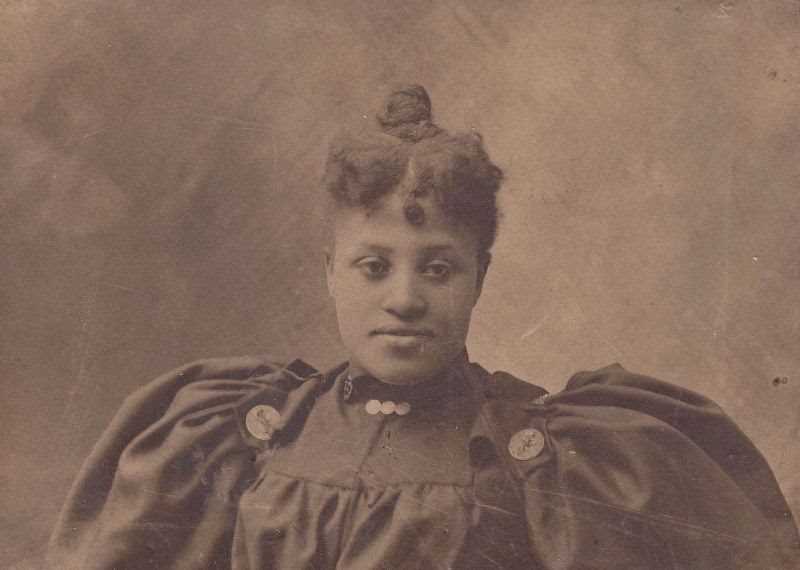
Photo: vintag.es
2026-05-29 11:54 History 12 


Studio Portraits of African American Women in the Late 19th Century Showcasing Elegance and Resilience
The article highlights a collection of 40 studio portraits of African American women taken during the late 19th century, a period marked by the post-Reconstruction era in the United States.Despite widespread social, racial, and economic challenges, these women used photography as a powerful means of self-representation and dignity.
The portraits reflect a strong desire to present themselves with elegance, confidence, and respectability at a time when African Americans faced systemic discrimination and limited opportunities.
In these studio photographs, the women are often dressed in finely tailored Victorian and early Edwardian clothing, featuring detailed fabrics, high collars, and carefully arranged hairstyles.
Their composed expressions and formal poses reveal both the conventions of studio photography at the time and a deeper sense of personal pride and identity.
Far from being passive subjects, these women actively participated in shaping how they were seen, using portraiture to assert their humanity and individuality.Beyond their aesthetic beauty, these images hold significant historical value.
They document the lived experiences of African American women in a transformative era and provide insight into cultural resilience and social aspiration.
Each portrait serves as a visual testimony to strength and self-determination, challenging stereotypes and preserving moments of personal and collective dignity.
Today, these photographs continue to resonate as powerful reminders of how African American communities used visual culture to claim space, identity, and respect in a society that often denied them all three.
2224
Original title: 40 Elegant Studio Portraits of African-American Women in the Late 19th Century
The AI system has determined that this news is not clickbait/sensationalist: : The original title is descriptive and informational, accurately reflecting the content without sensational language or misleading claims. This has coincided with the opinion of the majority of users.
You may also be interested in...
19th-Century Russian Kokoshnik Headdress and Its Cultural Significance
 Early 20th-Century Studio Portraits Featuring Artificial Snow Effects
 Lewis Hine’s Photographs Reveal Harsh Realities of Child Labor in Early 20th Century American Coal Mines