
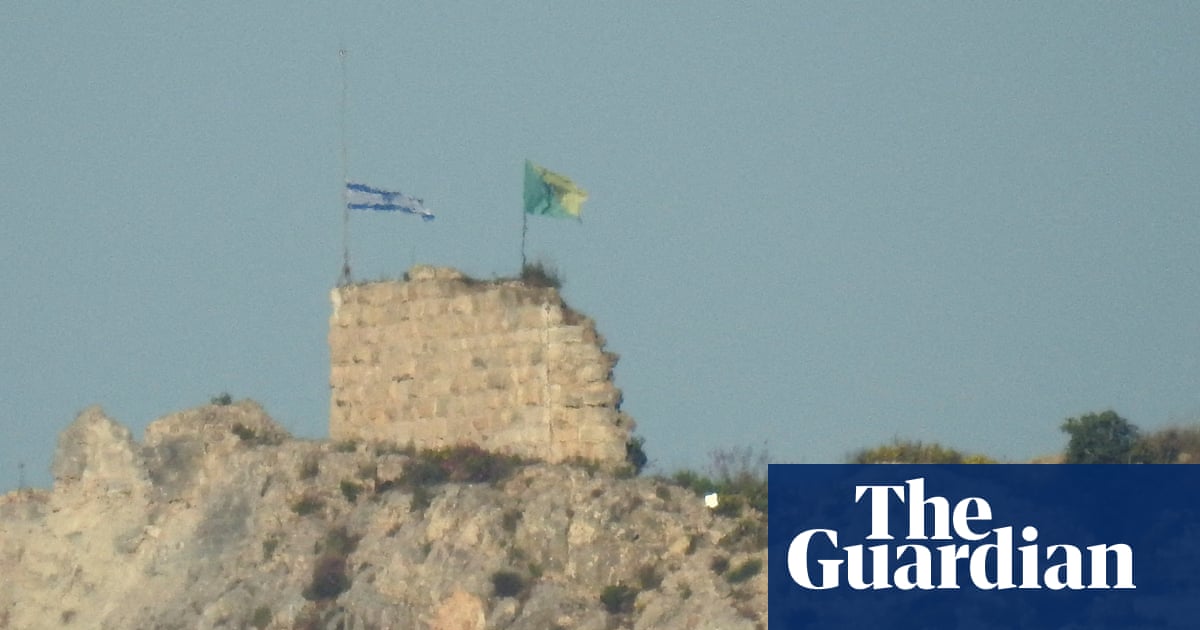
 Israeli forces capture Beaufort Castle in southern Lebanon amid renewed escalation
KillBait - News highlights delivered clearly and responsibly—no clickbait, no sensationalism
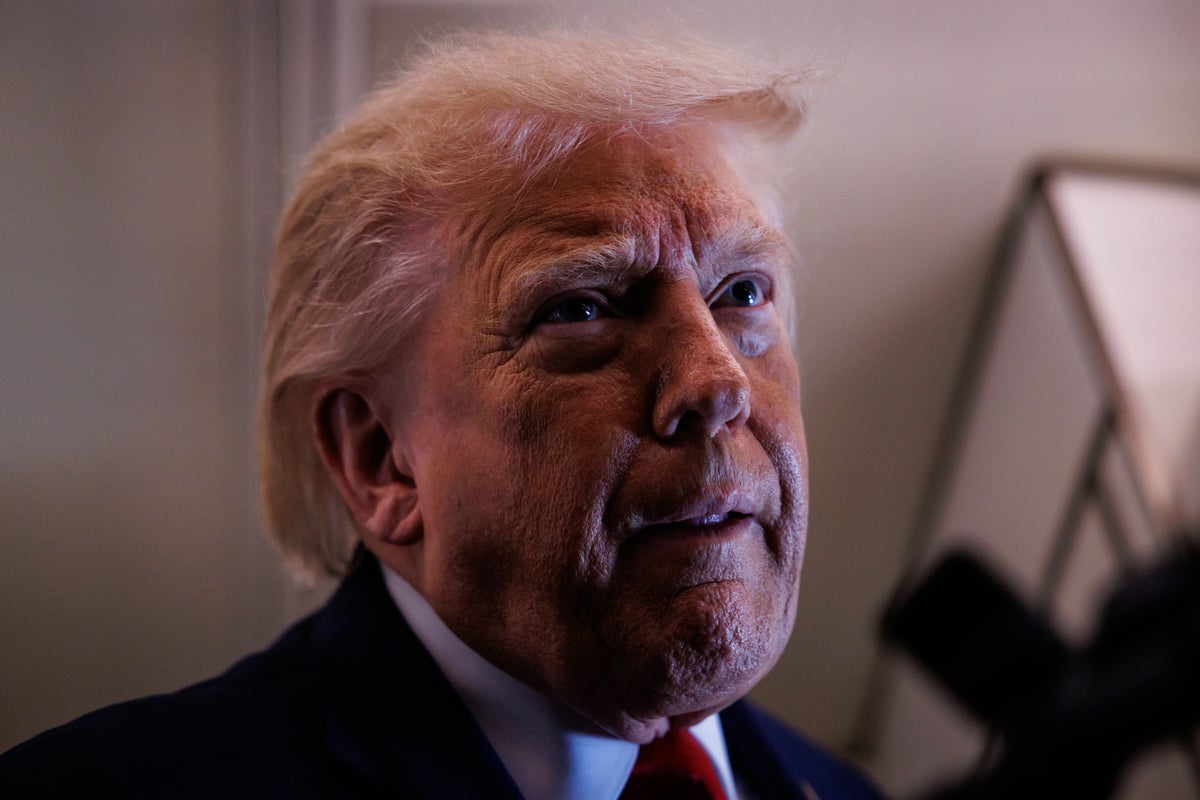
Photo: The Independent
2026-06-06 08:38 Conflict 10 


Escalation in Gulf tensions as US intercepts Iranian missiles and drones amid ongoing Iran–US conflict
Tensions between the United States and Iran have escalated sharply following a series of military exchanges in the Gulf region.According to US Central Command, American forces intercepted six Iranian ballistic missiles launched towards Gulf allies, including Kuwait and Bahrain, while a seventh missile reportedly failed to reach its target.
Iran’s Revolutionary Guard Corps claimed responsibility for targeting the US-aligned Ali Al Salem airbase in Kuwait and the US Navy’s Fifth Fleet presence in Bahrain, describing the attacks as part of its response to US actions in the region.In parallel, US forces reported shooting down four Iranian attack drones near the Strait of Hormuz, a critical global shipping route.
The US military also conducted strikes on Iranian coastal radar installations in Goruk and on Qeshm Island, stating the actions were defensive and intended to prevent further attacks on maritime traffic.
Central Command further indicated it had redirected commercial vessels and disrupted suspected threats to ensure security in the area, amid heightened concerns over shipping safety and global energy flows.Political rhetoric has intensified alongside the military developments.
Former US President Donald Trump claimed that the United States had “largely finished” its military campaign against Iran, while also suggesting that Washington could secure access to Iran’s enriched uranium without needing a formal agreement.
Meanwhile, oil industry executives have warned that disruptions to the Strait of Hormuz could trigger significant global fuel price increases due to reduced supply flows.
Diplomatic tensions are also rising beyond the Gulf, with Lebanon’s president accusing Iran of using Lebanon as leverage in regional negotiations involving Hezbollah.
Additionally, discussions over frozen Iranian assets, reportedly worth tens of billions of dollars, remain a key sticking point in stalled US–Iran negotiations.Overall, the situation reflects a widening regional confrontation with military, economic and diplomatic dimensions.
Full reading at The Independent
2187
Original title: Iran-US war latest: American forces shoot down Iranian ballistic missiles targeting Kuwait and Bahrain
The AI system has determined that this news is clickbait/sensationalist: : The original title uses the phrase 'Iran-US war latest', which is highly sensationalised and implies an ongoing full-scale war, whereas the article content describes escalating military exchanges and regional strikes rather than a declared war. This has coincided with the opinion of the majority of users.
You may also be interested in...
Israeli forces capture Beaufort Castle in southern Lebanon amid renewed escalation
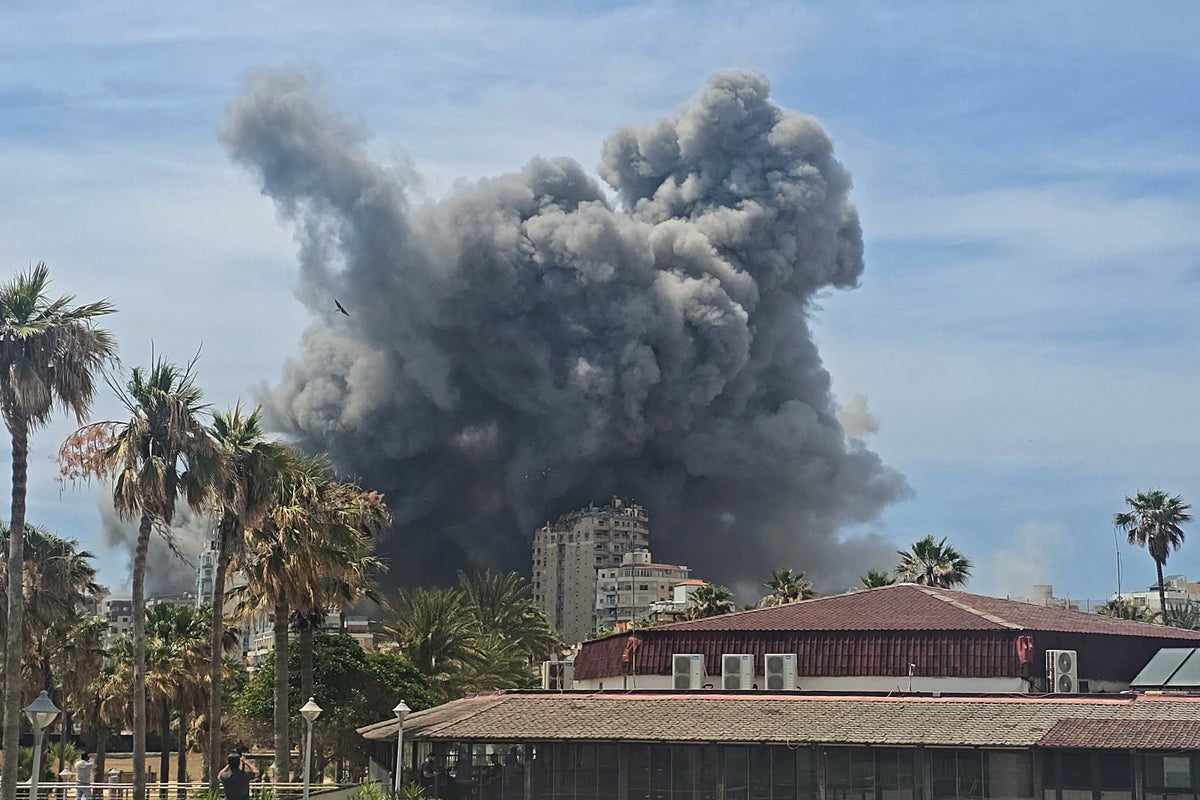 US and Iran exchange new military strikes as ceasefire talks continue and Israel advances in southern Lebanon
 Zelensky urges renewed peace talks with Russia amid shifting battlefield dynamics and escalating strikes