
 President Samia to Strengthen Tanzania-Russia Relations During State Visit and Economic Forum Participation
KillBait - News highlights delivered clearly and responsibly—no clickbait, no sensationalism
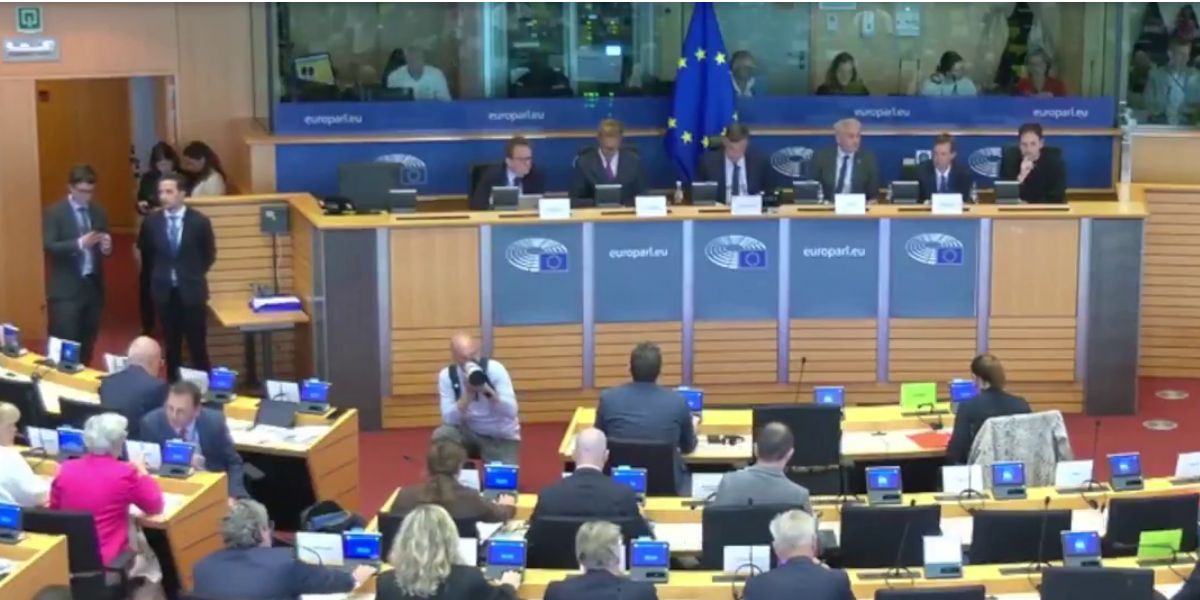
Photo: The Chanzo Inititative
2026-06-07 17:19 Politics 10 


EU Committees Sustain Funding Freeze on Tanzania Amid Ongoing Political and Diplomatic Tensions
The European Parliament’s Committee on Foreign Affairs and Committee on Development have voted to maintain a freeze on approximately €156 million in funding intended for Tanzania in 2026, showing continued concern over the country’s political situation following the 2025 election crisis.
The decision comes after the European Commission attempted to move forward with a revised financing plan, but lawmakers argued that the new proposal did not sufficiently address earlier concerns raised in November 2025.
The committees highlighted serious governance and human rights issues, including findings from Tanzania’s National Commission of Inquiry, which reported at least 518 deaths linked to the election unrest but failed to identify those responsible.This lack of accountability has remained a key concern for European lawmakers.
Additional tensions were noted after Tanzanian authorities denied entry to a European Parliament human rights delegation and continued detention of opposition leader Tundu Lissu.
Although the committees’ vote does not represent the final decision, it keeps pressure on the European Commission, which must now reconsider or revise the proposal.
The Tanzanian government responded by downplaying the move, describing it as part of internal EU procedures and not a final determination of bilateral relations.Officials emphasised that engagement with the EU continues through the European Commission rather than parliamentary committees.The situation reflects a broader diplomatic strain between Tanzania and its traditional Western partners.Alongside EU pressure, the United States has also taken steps, with lawmakers proposing sanctions related to the election violence.
In response, Tanzania has intensified diplomatic outreach, including engagement with Brussels and efforts to strengthen ties with alternative partners such as Russia and China.
Despite these efforts, analysts see limited capacity for new partners to replace the economic and development support traditionally provided by Western countries.
The funding freeze therefore remains a significant issue, both economically and diplomatically, as Tanzania navigates increasing international scrutiny.
Full reading at The Chanzo Inititative
2186
Original title: Tanzania’s Foreign Affairs Crisis Deepens as European Parliament Committees Maintain Freeze on €156 Million Funding in Swift Resolution
The AI system has determined that this news is not clickbait/sensationalist: : The title reflects the actual development and key facts of the story without exaggeration or misleading language. This has coincided with the opinion of the majority of users.
You may also be interested in...
President Samia to Strengthen Tanzania-Russia Relations During State Visit and Economic Forum Participation
 Musoma Youth Raise Concerns Over Inaccessible Government Loans and Lack of Local Accountability
 Chadema Faces Internal Conflicts Amid Political Challenges