
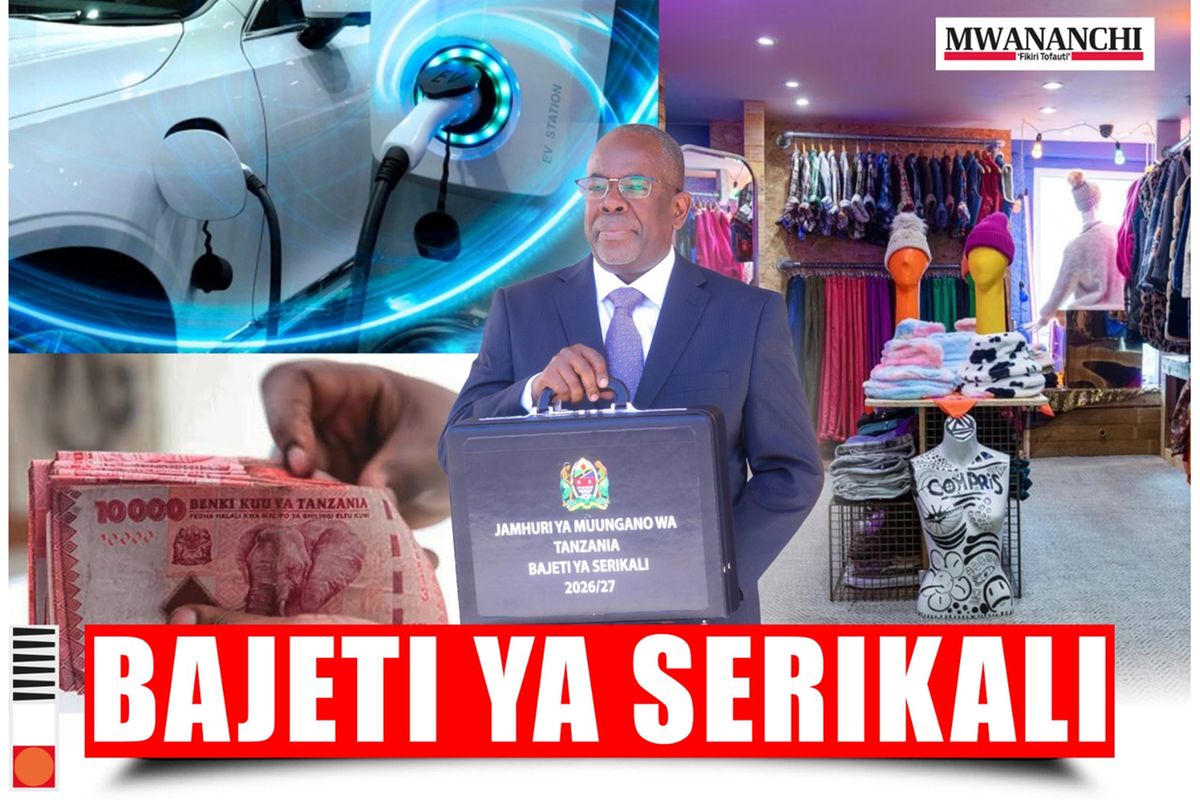
 Tanzania Proposes 62.3 Trillion Shilling Budget to Strengthen Domestic Revenue and Reduce Dependence on External Funding
KillBait - News highlights delivered clearly and responsibly—no clickbait, no sensationalism
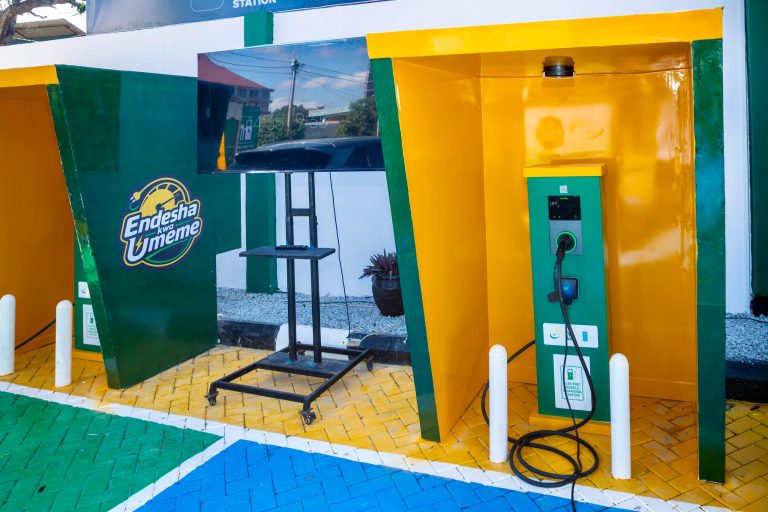
Photo: The Chanzo Inititative
2026-06-13 16:22 Economy 11 


Government Introduces Tax Incentives to Expand Electric and CNG Vehicle Use in Tanzania
The Government of Tanzania has announced a series of tax incentives and policy measures in its 2026/27 budget proposals aimed at accelerating the adoption of electric vehicles (EVs) and compressed natural gas (CNG) vehicles.
The measures were presented in Parliament on June 11, 2026, as part of broader efforts to reduce the country's dependence on imported petroleum products and lower transport operating costs.
One of the key initiatives is a directive requiring public institutions to prioritize the procurement of electric and gas-powered vehicles when planning and budgeting for transportation needs.The government believes this shift will help reduce fuel consumption and improve long-term cost efficiency.The budget proposals also introduce a Value Added Tax (VAT) exemption on imported equipment used for electric vehicle charging stations.
In addition, several existing incentives have been retained, including excise duty exemptions for electric and gas-powered vehicles based on engine capacity and VAT exemptions on compressed natural gas used as vehicle fuel.Further support will be provided through VAT exemptions on equipment used to convert petrol and diesel vehicles to CNG or electric systems.
Similar tax relief will continue for CNG infrastructure, including compressors, storage systems, transport equipment, dispensers, and other components across the gas supply chain.
The government will also maintain VAT exemptions on raw materials used to manufacture gas cylinders and import duty relief for lithium-ion batteries used in assembling electric vehicles and motorcycles.According to the government, Tanzania spends more than USD 5 billion annually on fuel imports.
Expanding the use of electric and CNG vehicles is expected to reduce this expenditure, strengthen energy security, and protect the country from volatility in global energy markets.
Full reading at The Chanzo Inititative
2206
Original title: Tanzania Pushes for Adoption of CNG and Electric Vehicles Through Tax Incentives in Budget Proposals
The AI system has determined that this news is not clickbait/sensationalist: : The original title accurately reflects the main subject of the article and does not use exaggerated, sensational, or misleading language to attract attention. This has coincided with the opinion of the majority of users.
You may also be interested in...
Tanzania Proposes 62.3 Trillion Shilling Budget to Strengthen Domestic Revenue and Reduce Dependence on External Funding
 Youth Disillusionment in Tarime: Barriers in Agriculture, Education, and Governance Drive Apathy
 Ex Ukonga Prison Superintendent Appears in Court Over Allegations of Conduct