
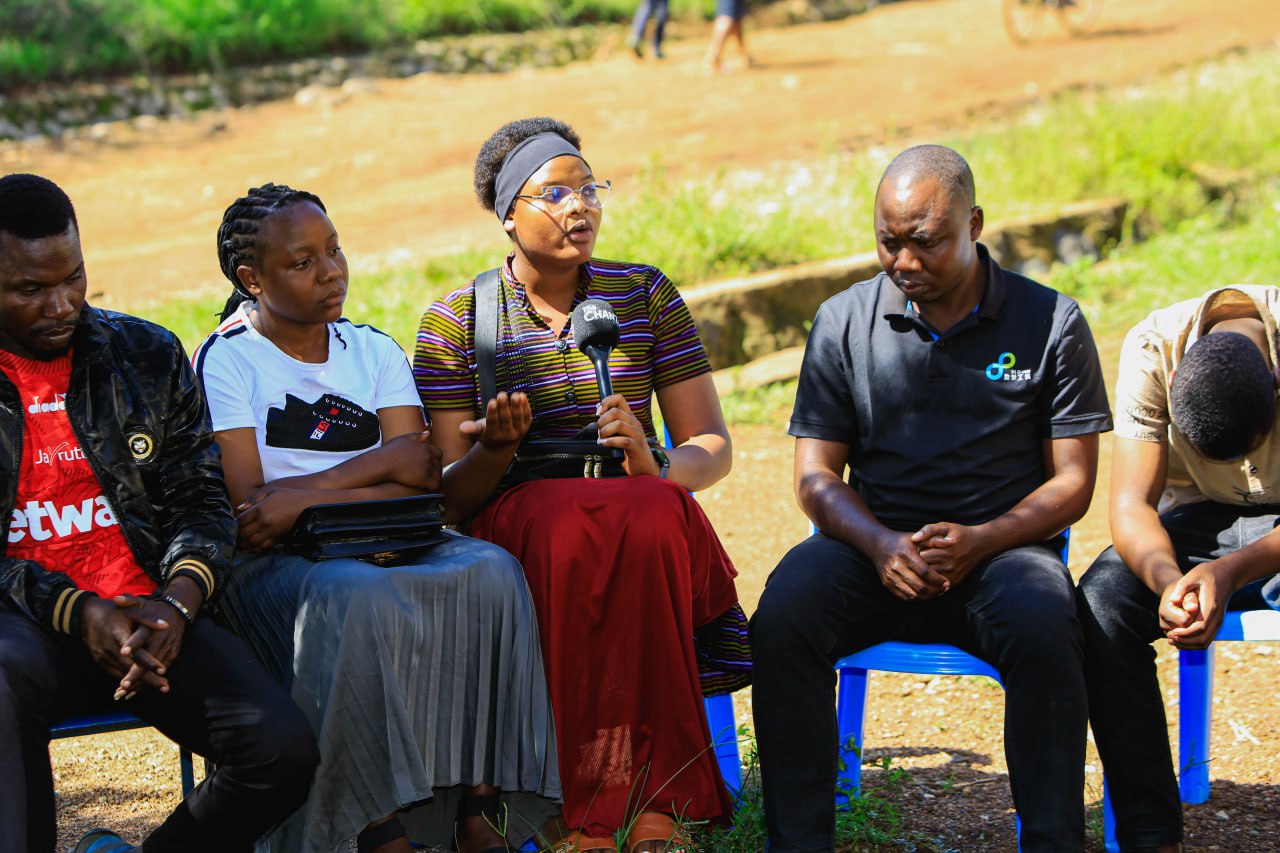
 Youth Disillusionment in Tarime: Barriers in Agriculture, Education, and Governance Drive Apathy
KillBait - News highlights delivered clearly and responsibly—no clickbait, no sensationalism
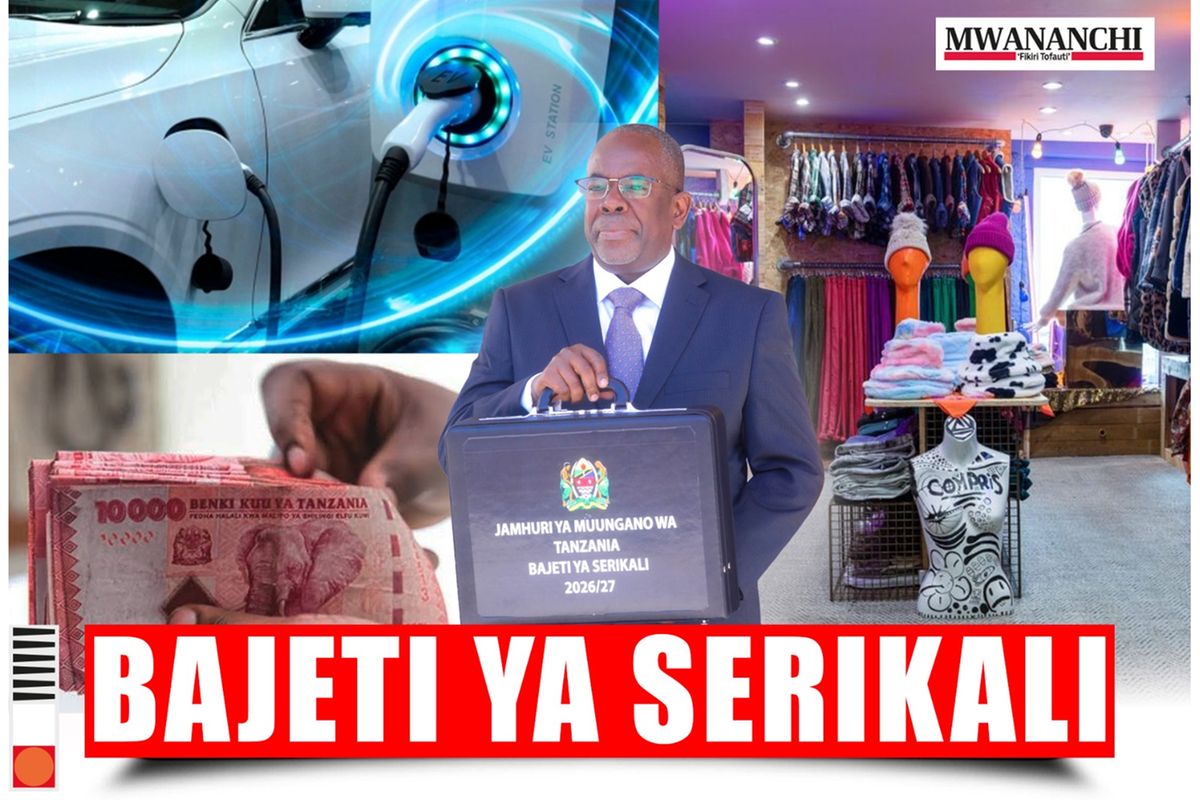
Photo: Tanzania Insight
2026-06-13 07:36 Economy 10 


Tanzania Proposes 62.3 Trillion Shilling Budget to Strengthen Domestic Revenue and Reduce Dependence on External Funding
The Government of Tanzania has presented a proposed budget of 62.3 trillion Tanzanian shillings, highlighting a national strategy focused on greater fiscal self-reliance and reduced dependence on foreign loans and donor support.
According to the report, the budget is among the largest and most ambitious in the country's history and is intended to finance key development priorities mainly through domestic revenue collection.
The proposal reflects a broader policy direction aimed at strengthening economic sovereignty and ensuring that development projects and public services can be funded through locally generated resources.
The government plans to support major sectors such as infrastructure, healthcare, education, and agricultural modernisation while continuing efforts to improve tax collection and expand the formal economy.
Economic observers note that the approach aligns with a wider trend across East Africa, where governments are seeking to reduce exposure to external economic shocks and the conditions often attached to international financing.
Tanzania's strategy also draws lessons from the COVID-19 period, when countries with stronger domestic revenue bases were generally better positioned to respond to economic disruptions.
The article highlights that Tanzania's economy has benefited from growth in sectors such as mining, tourism, and agriculture, supported by the country's significant natural resources, including gold, diamonds, and natural gas.Government reforms are intended to maximise returns from these resources while maintaining an attractive environment for investment.
However, the report also notes several challenges, including tax evasion, a large informal sector, infrastructure gaps, and limitations in public financial management.
The long-term success of the proposed budget will depend on sustained economic growth, efficient public spending, improved revenue collection systems, and continued private sector development.
Regional and international observers are expected to monitor closely whether this self-reliance model can be maintained while meeting development objectives.
Full reading at Tanzania Insight
2186
Original title: Government Requests 62.3 Trillion Shillings for Self-Reliance Budget
The AI system has determined that this news is not clickbait/sensationalist: : The title accurately reflects the main subject of the article and does not use exaggerated, sensational, or misleading language to attract attention. This has coincided with the opinion of the majority of users.
You may also be interested in...
Youth Disillusionment in Tarime: Barriers in Agriculture, Education, and Governance Drive Apathy
 Ex Ukonga Prison Superintendent Appears in Court Over Allegations of Conduct
 Tanzania and Singapore Deepen Economic Cooperation Through Tax, Trade and Investment Agreements