
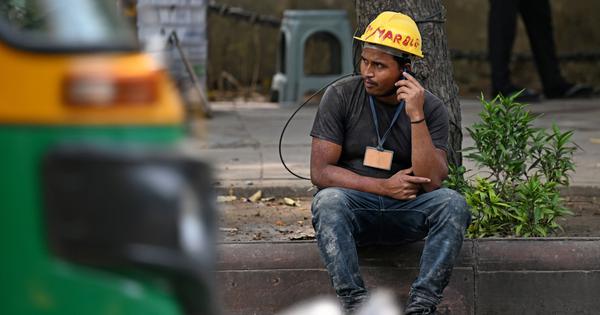
 India's migration patterns reshaping demographic balance through youth and education
KillBait - News highlights delivered clearly and responsibly—no clickbait, no sensationalism
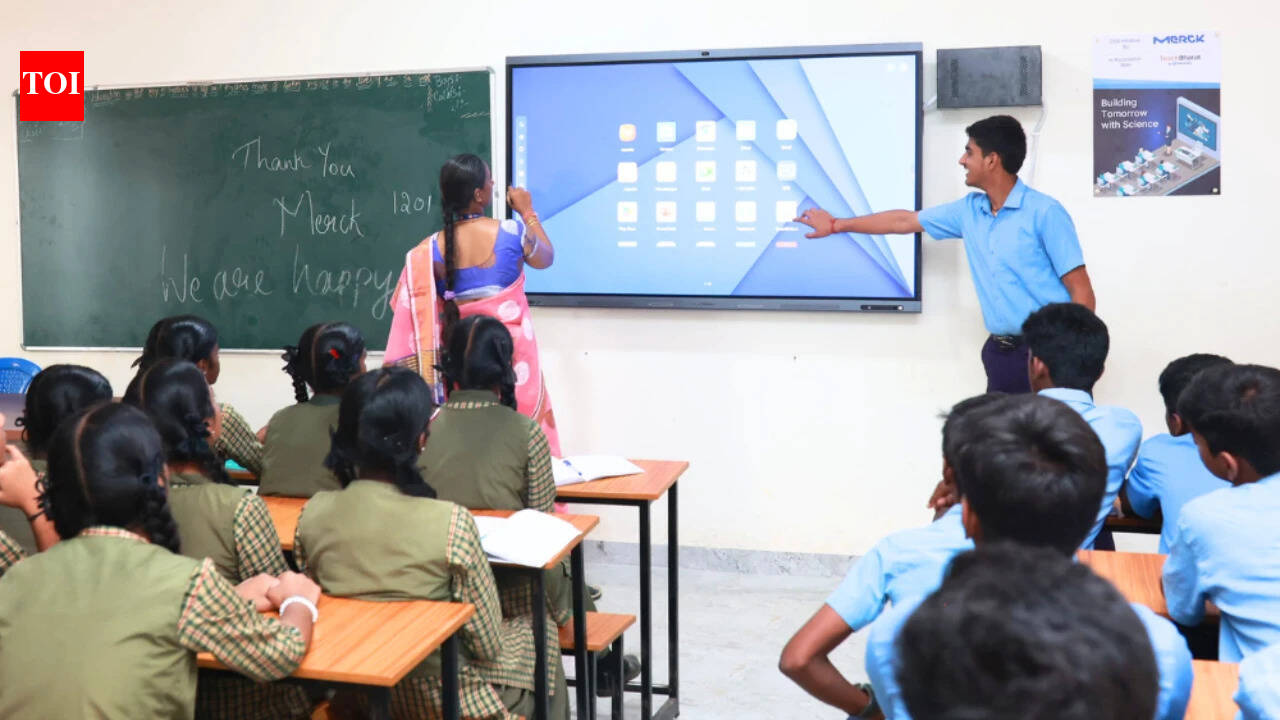
Photo: The Times of India
2026-07-13 07:24 Society 10


Government schools improve internet connectivity and smart classroom access, reducing the digital gap
Government schools across India have made notable progress in improving digital infrastructure over the last three academic years, according to the latest UDISE+ report.Internet connectivity in government schools increased significantly from 46.2% in 2023-24 to 63.1% in 2025-26, reducing the gap with aided and private schools from around 28 percentage points to about 16 percentage points.The report also shows that the proportion of government schools with functional smart classrooms rose from 21.2% to 32.2% during the same period, although aided schools (41%) and private unaided schools (39.9%) continue to maintain higher levels of digital infrastructure.Nationally, 67.4% of schools now have internet access, compared with 63.5% in 2024-25 and 53.9% in 2023-24.Goa has achieved 100% internet coverage in schools, while Andhra Pradesh, Tamil Nadu, Gujarat and Kerala are among the best-performing states.In contrast, West Bengal remains at the bottom with only 19.7% of schools connected, followed by Arunachal Pradesh, Meghalaya, Manipur and Tripura.Computer availability has also improved, with 69.9% of schools having computers in 2025-26, although government schools continue to trail aided and private institutions.Computers specifically used for teaching remain less common than overall computer availability.Despite steady progress, digital libraries continue to be scarce, existing in only 7.1% of schools nationwide.
The findings align with the National Education Policy's objective of equipping schools with internet access, computing devices, libraries and other essential infrastructure to create a safe, inclusive and effective learning environment.
Overall, the report indicates meaningful progress in reducing India's school-level digital divide while highlighting the need for continued investment in digital resources.
Full reading at The Times of India
2186
Original title: With connectivity gains, government schools narrow digital divide
The AI system has determined that this news is not clickbait/sensationalist: : The original title accurately reflects the main finding of the report and is factual rather than sensational. It summarises the story without exaggeration or misleading readers. This has coincided with the opinion of the majority of users.
You may also be interested in...
India's migration patterns reshaping demographic balance through youth and education
 Banjara Community Launches Awareness Campaign Against Dowry and Gender-Based Violence
 Bengaluru removes 430 km of footpath encroachments, to issue ID cards to street vendors