
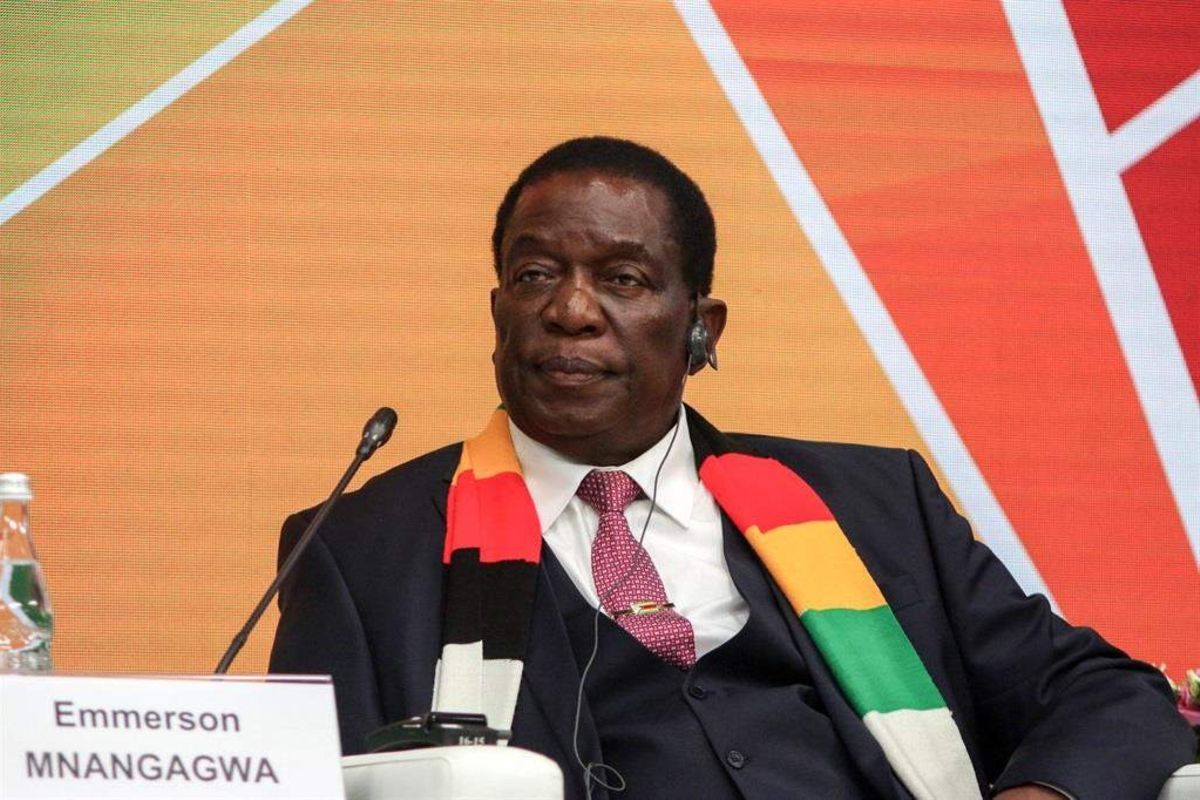
 Zimbabwe's Constitutional Debate Over Mnangagwa's Term Extension
KillBait - News highlights delivered clearly and responsibly—no clickbait, no sensationalism
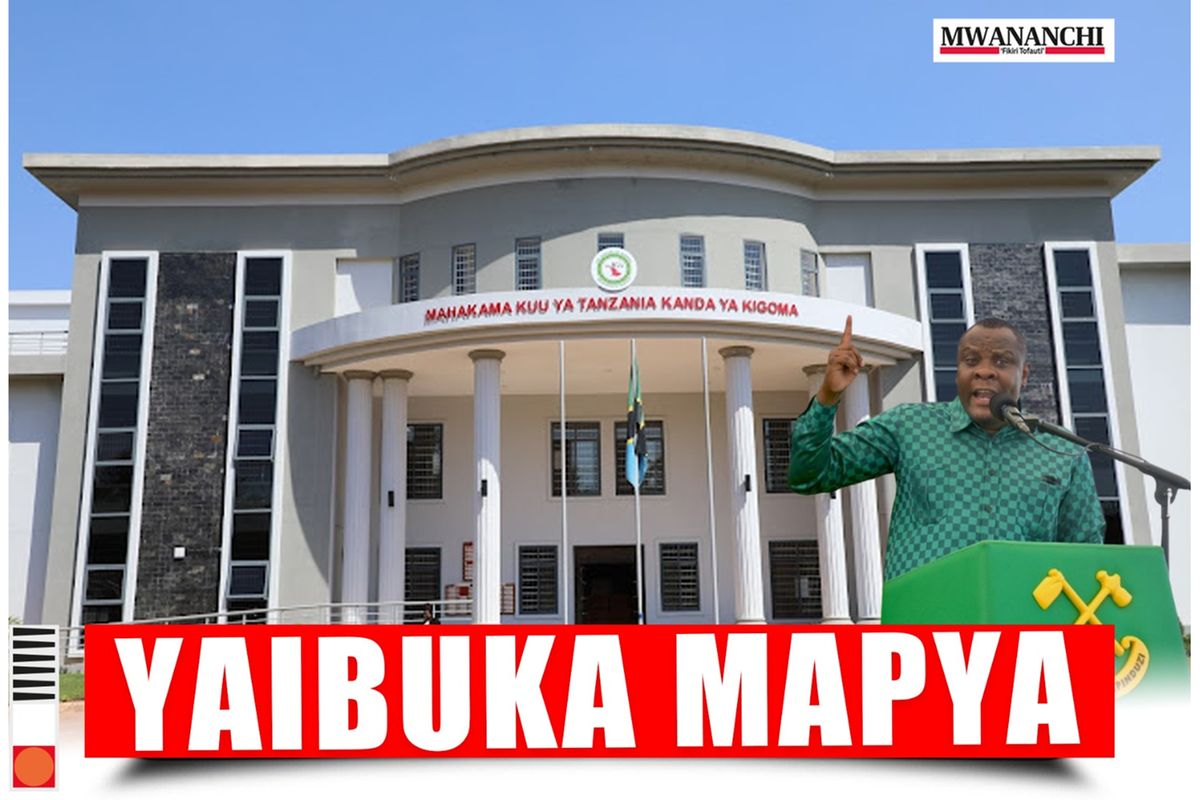
Photo: Tanzania Insight
2026-07-12 08:55 Politics 10


High Court Accepts Video Evidence in Baba Levo's Parliamentary Eligibility Case
The High Court has accepted video evidence in the parliamentary eligibility case of musician Ibrahim Mussa, known as Baba Levo, while rejecting a cautionary letter against the ruling party CCM.
The case examines whether Baba Levo meets constitutional requirements for parliamentary candidacy, sparking public debate about celebrity involvement in politics.
The court's decision to admit video evidence highlights modern legal practices, while the rejection of the cautionary letter suggests procedural scrutiny of CCM's candidate selection.
Baba Levo's transition from music to politics has drawn attention, with critics questioning if fame alone qualifies for legislative responsibility.The ruling could influence future electoral disputes and party candidate vetting processes.Legal experts note the court's balanced approach in handling politically sensitive cases, emphasizing judicial independence.The outcome may shape how Tanzanian courts evaluate eligibility disputes and impact political parties' strategies in candidate selection.
Full reading at Tanzania Insight
2186
Original title: Court Receives Video Evidence in Baba Levo Parliamentary Case
The AI system has determined that this news is clickbait/sensationalist: : The original title uses sensationalist language like 'Video Evidence' and 'Parliamentary Case' to attract attention, implying dramatic legal developments that may not fully reflect the nuanced judicial process. This has coincided with the opinion of the majority of users.
You may also be interested in...
Zimbabwe's Constitutional Debate Over Mnangagwa's Term Extension
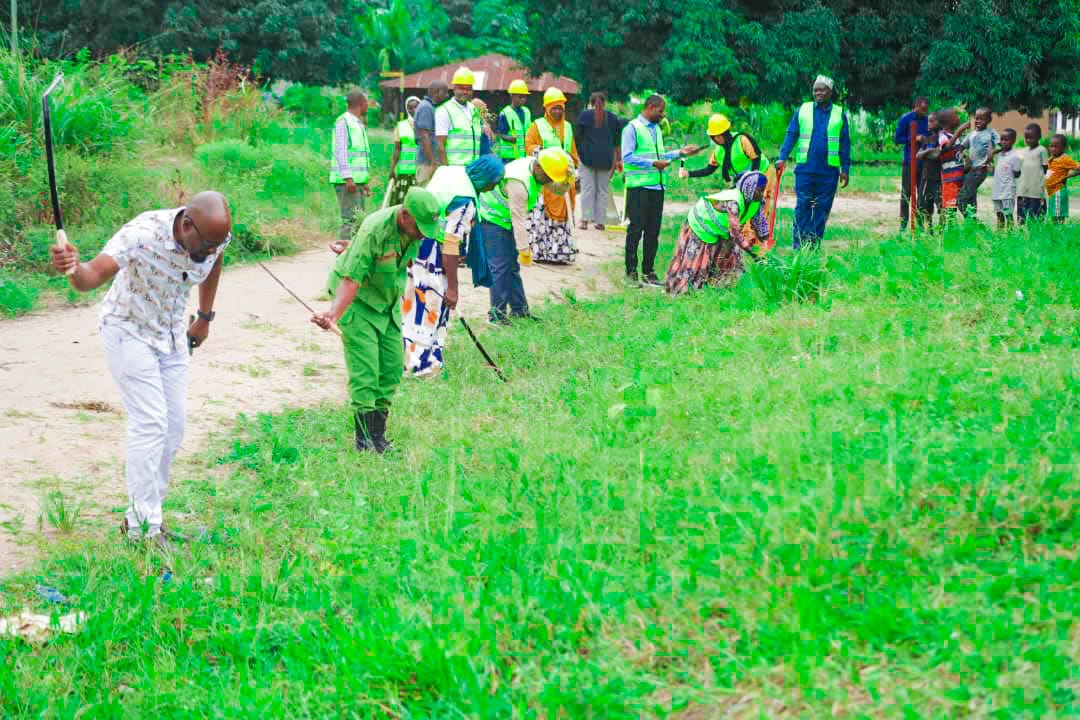 Tanzania's CBRM Project Aims to Maintain 15,000km of Roads Year-Round
 Government expands land formalisation drive in Misungwi to reduce disputes and strengthen land ownership