
 Anambra Government Gives Mortuary Operators June 5 Deadline for Registration and Licence Renewal
KillBait - News highlights delivered clearly and responsibly—no clickbait, no sensationalism
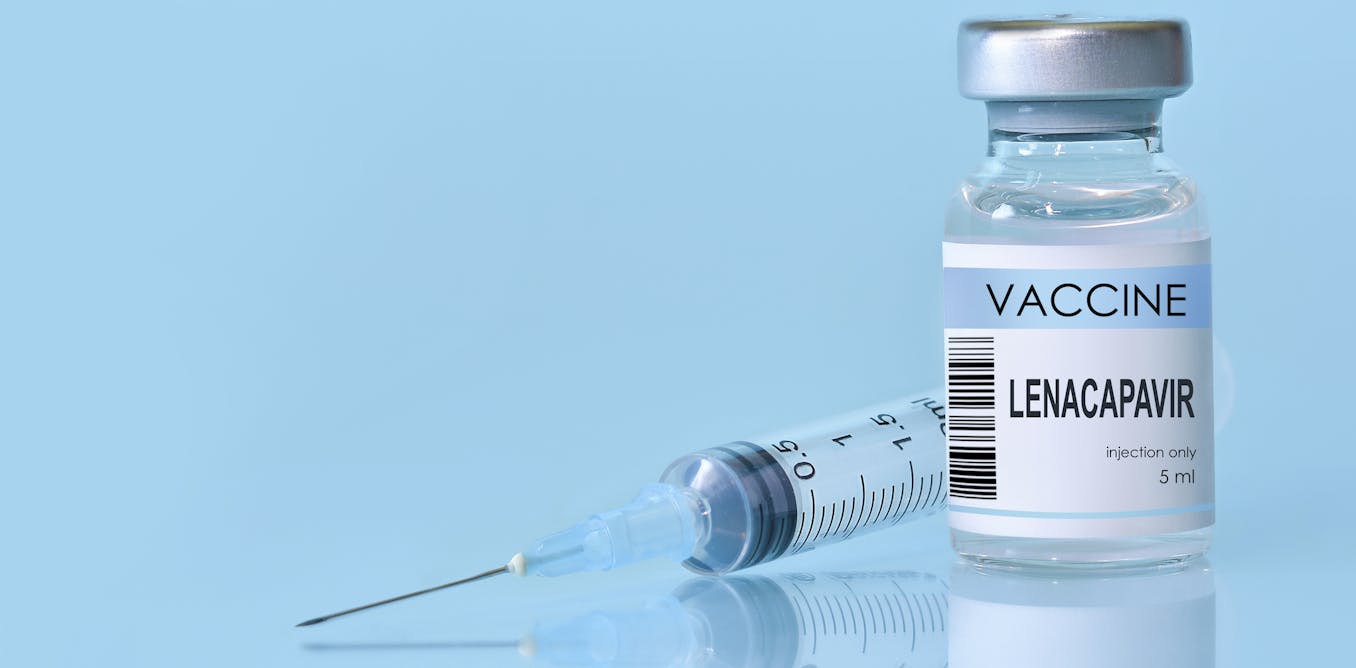
Photo: The Conversation
2026-05-31 14:38 Health 10 


HIV Prevention Rollout in South Africa Risks Missing Mobile Working Men Driving Transmission
South Africa don receive the first batch of Lenacapavir, one long-acting HIV prevention injection wey person go take just twice a year, and studies show say e dey almost 100% effective.
The rollout, wey dem plan to start by June 2026, go focus on groups wey face highest risk, like young women, sex workers, transgender people, and people wey inject drugs.
But experts warn say one important group of men still dey left out: adult working men wey dey move from place to place, like construction workers, miners, and truck drivers.
These men dey act as what researchers call “bridging population,” meaning say dem connect high-risk groups to lower-risk partners, especially their wives or steady partners.Even though awareness about HIV don improve well, behaviour never fully change.Studies show say these men dey more likely to use condoms with sex workers or casual partners, but less likely with their long-term partners.This pattern increase risk of transmission inside relationships.Research also show say power dynamics and social factors matter pass just knowledge.For many relationships, especially where women depend financially or where age gap big, negotiating condom use fit be difficult or even dangerous.Some women report say asking for condom fit lead to violence or suspicion of cheating.
The article argue say even though the current rollout targets the right high-risk groups, e still get gap because e no directly include the men wey dey spread the virus across networks.Data show say interactions between clients of sex workers and their steady partners account for a large share of new infections.
To solve this, experts suggest say prevention services must go meet men where dem dey work, like construction sites or transport hubs, instead of waiting for them to visit clinics.Also, policies should clearly recognise these men as a key group in HIV prevention.Without addressing both who dey at risk and who dey transmit the virus, efforts to reduce HIV go remain incomplete.
Full reading at The Conversation
2187
Original title: HIV in South Africa: why rolling out a groundbreaking new shot will miss a critical group of men
The AI system has determined that this news is not clickbait/sensationalist: : The title clearly reflects the main argument of the article without exaggeration or misleading claims. This has coincided with the opinion of the majority of users.
You may also be interested in...
Anambra Government Gives Mortuary Operators June 5 Deadline for Registration and Licence Renewal
 FG upgrades Katsina Emergency Operations Centre to strengthen disease outbreak response
 Nigeria moves to tighten border health measures amid renewed Ebola outbreak concerns in DR Congo