
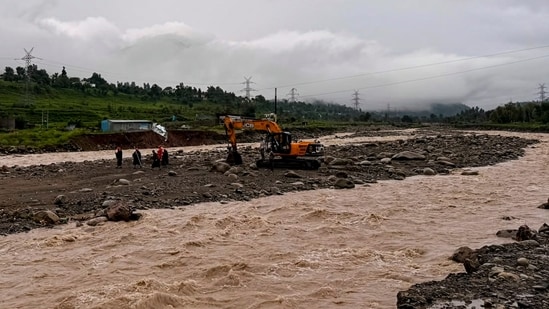
 Flash floods in J&K's Budgam cause extensive damage, rescue operations ongoing
KillBait - News highlights delivered clearly and responsibly—no clickbait, no sensationalism
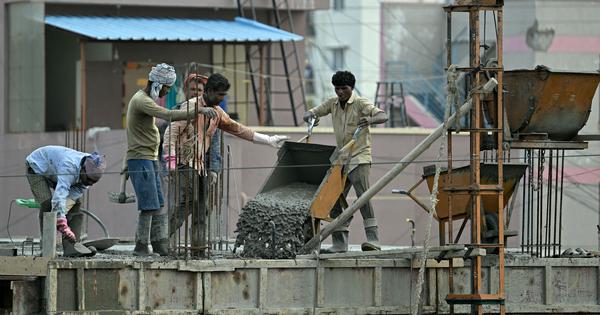
Photo: Scroll.in
2026-07-24 08:08 Environment 10


India's Construction Sector Faces Environmental Challenges with Rising Carbon Emissions
The article highlights how India's rapid urbanization and construction boom are creating significant carbon emissions, which are often overlooked in environmental policies.
It explains that the built environment accounts for nearly 34% of global CO₂ emissions, with India's buildings sector contributing a growing share.The focus is on 'embodied carbon'—emissions from constructing buildings—which remains unregulated.Current laws like the Environment Protection Act and Energy Conservation Act lack provisions to address building-related emissions.
Urban planning regulations also prioritize economic growth over climate considerations, allowing high-rise developments without assessing their carbon impact.
Experts argue that India needs enforceable climate laws, updated environmental regulations, and revised urban planning frameworks to limit emissions from construction.The article calls for binding targets, lifecycle carbon assessments, and rethinking Floor Area Ratio norms to create low-carbon cities.
2186
Original title: India’s soaring concrete skyline is a carbon emissions blindspot
The AI system has determined that this news is clickbait/sensationalist: : The original title uses 'blindspot' as a sensational term to grab attention, which is more clickbaity than factual. This has coincided with the opinion of the majority of users.
You may also be interested in...
Flash floods in J&K's Budgam cause extensive damage, rescue operations ongoing
 Assam floods worsen; 21 deaths reported, over 5.4 lakh people impacted across 16 districts
 Supreme Court Committee Reviews Aravalli Hill Range Conservation