
 Jane Green reflects on marriage breakdown and evolving sexuality in memoir
KillBait - News highlights delivered clearly and responsibly—no clickbait, no sensationalism
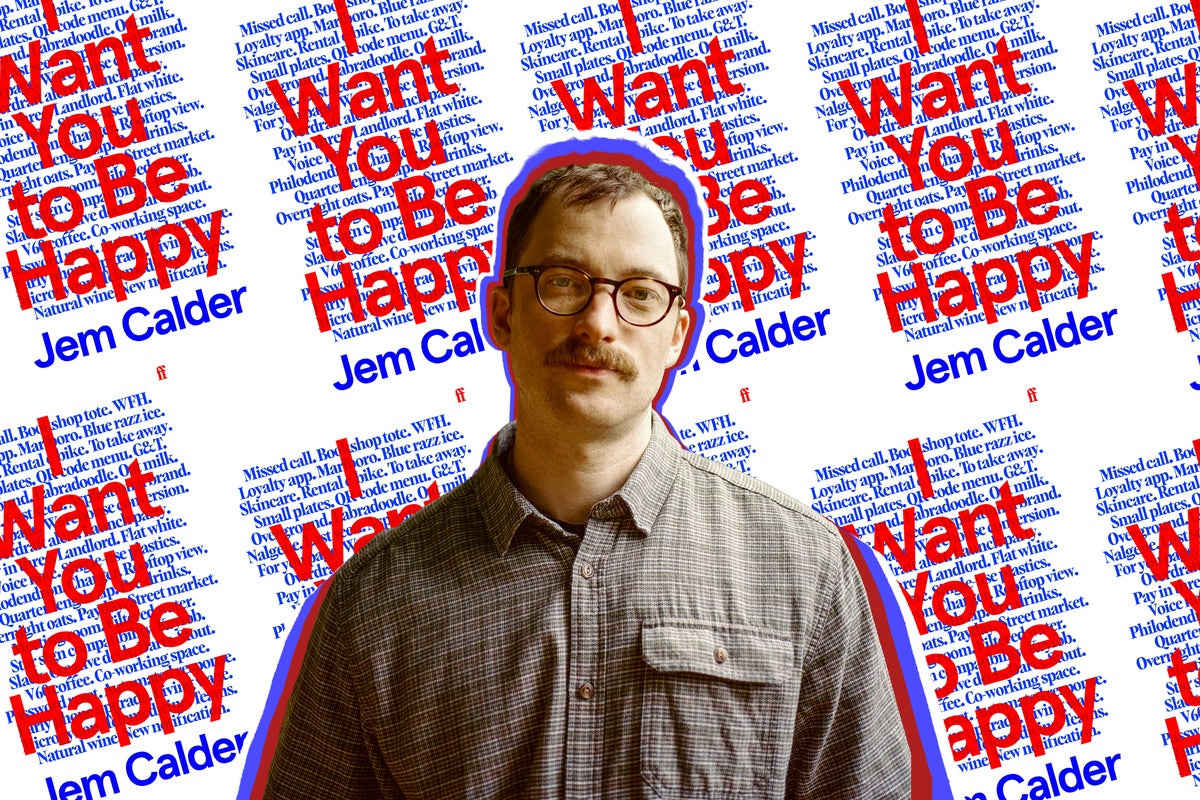
Photo: The Independent
2026-05-24 09:36 Literature 13 


Jem Calder’s debut novel explores modern millennial life and digital-age disconnection
Jem Calder’s debut novel, I Want You to Be Happy, has been widely discussed as a defining millennial-era story capturing the emotional and cultural landscape of contemporary urban life.
The book follows Chuck, a copywriter in his mid-thirties recovering from a breakup and experiencing a creative and personal crisis, and Joey, a 23-year-old barista with aspirations of becoming a poet.
Set against the backdrop of modern London, the novel explores themes of digital overload, emotional isolation, and the search for meaning in an increasingly algorithm-driven world.
Through sharp, understated prose, Calder depicts a society shaped by constant connectivity, brand saturation, and the pressures of productivity culture.Characters drift through social media, work communications, and fleeting relationships, often feeling detached despite being constantly “online”.
The narrative highlights the tension between creative ambition and the demands of everyday survival, particularly in precarious, low-paid work environments and corporate office settings.
The novel has drawn comparisons to writers such as Richard Yates for its portrayal of quiet despair within ordinary life, as well as to contemporary literary voices like Sally Rooney, who has publicly praised Calder’s work.
Critics note its bleak humour and precise observation of millennial and Gen Z behaviours, including compulsive scrolling, emotional disengagement, and the commodification of lifestyle aesthetics.Despite its often stark depiction of modern existence, Calder suggests a degree of hope beneath the surface.The characters’ struggles reflect a broader generational attempt to reconcile artistic aspiration with economic and emotional constraints.
The novel ultimately presents an ambiguous but cautiously optimistic view of connection and creativity in a fragmented digital age, marking Calder as a notable new voice in contemporary British literature.
Full reading at The Independent
2241
Original title: I Want You to Be Happy is the excruciating millennial novel everyone will be reading this summer
The AI system has determined that this news is clickbait/sensationalist: : The original headline uses emotive and hyperbolic language such as 'excruciating' and 'everyone will be reading this summer', which is designed to provoke curiosity and urgency rather than neutrally describe the content of the article. This has coincided with the opinion of the majority of users.
You may also be interested in...
Jane Green reflects on marriage breakdown and evolving sexuality in memoir
 Wes Streeting proposes targeted National Insurance cuts and supports new North Sea oil and gas licences
 Trump proposes replacing Freedom 250 concert with political rally after several performers withdraw