
 How 19th-Century Whaling Routes Help Explain a Rare Providence–Cape Verde Flight
KillBait - News highlights delivered clearly and responsibly—no clickbait, no sensationalism
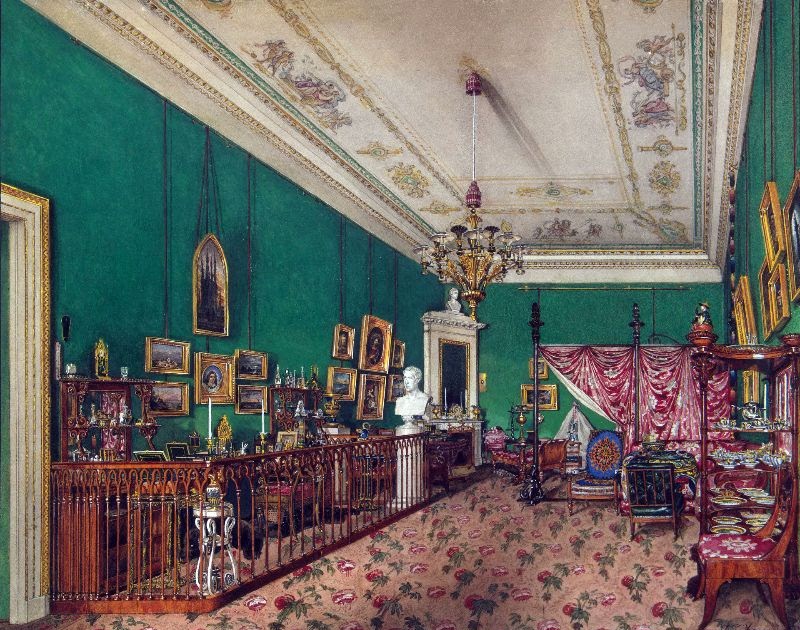
Photo: vintag.es
2026-05-23 11:36 History 19 


Konstantin Ukhtomsky and the Architectural Watercolors of Imperial Russia
Konstantin Ukhtomsky (1818–1881) was a distinguished Russian painter and watercolorist renowned for his refined architectural views and interior scenes of imperial palaces.
Serving as an official artist for the Russian Imperial Court, he became especially known for his detailed and luminous depictions of the Winter Palace in St.Petersburg and other grand aristocratic residences.His work captures not only architectural accuracy but also the atmosphere and opulence of 19th-century imperial Russia.Ukhtomsky specialized in portraying elaborate interiors such as throne rooms, galleries, private apartments, staircases, and ceremonial halls.
His paintings demonstrate exceptional technical precision and a masterful command of light, allowing him to transform ornate architectural spaces into visually poetic compositions.
Through his watercolor technique, he highlighted textures, reflections, and spatial depth, giving viewers a vivid sense of the grandeur experienced by the Russian aristocracy during the reigns of Nicholas I and Alexander II.Beyond their artistic value, Ukhtomsky’s works serve as important historical records.
His detailed representations of spaces like the Jordan Staircase, the Malachite Room, and various drawing rooms and halls of the Winter Palace preserve visual documentation of interiors that defined imperial prestige and ceremonial life.
These paintings offer modern audiences a rare glimpse into the decorative styles, cultural symbolism, and architectural richness of the Russian Empire.Today, Ukhtomsky is remembered as one of the most accomplished architectural watercolorists of his time.
His legacy lies in his ability to merge art and documentation, elevating interior architecture into expressive works that continue to inform both art history and the study of imperial Russian culture.
2332
Original title: Konstantin Ukhtomsky: Master of Architectural Elegance
The AI system has determined that this news is not clickbait/sensationalist: : The original title is descriptive and factual, clearly stating the subject and his artistic focus without exaggeration, emotional manipulation, or sensational language. This has coincided with the opinion of the majority of users.
Comments :
You may also be interested in...
How 19th-Century Whaling Routes Help Explain a Rare Providence–Cape Verde Flight
 A Collection of Early 20th Century Good Housekeeping Magazine Covers (1910–1919)
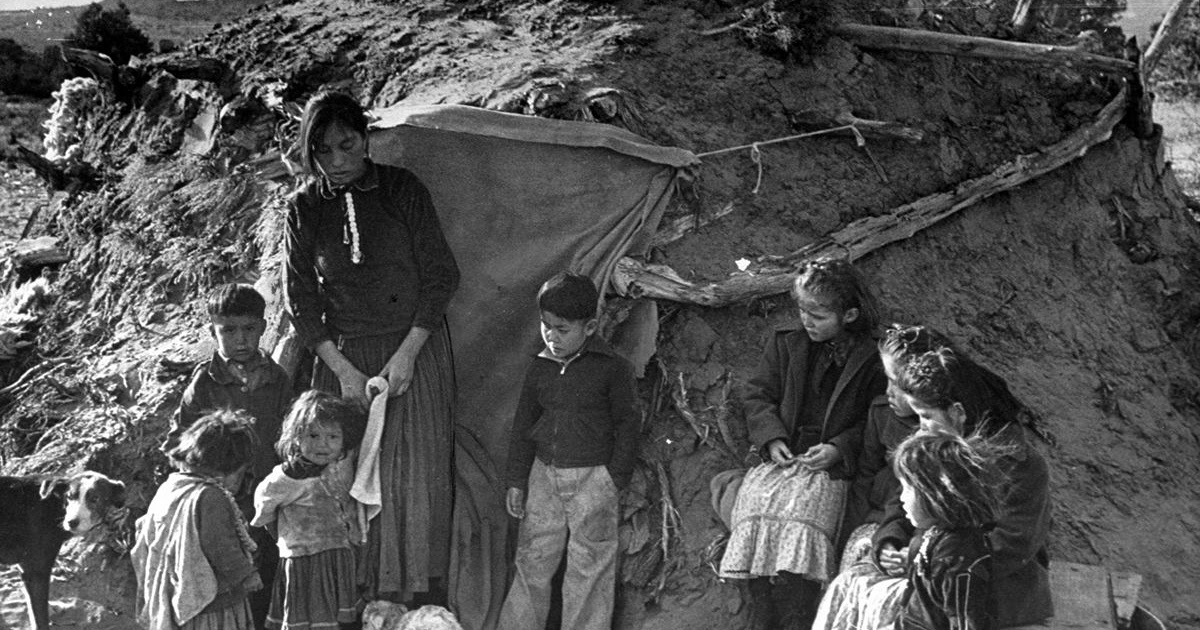 Leonard McCombe’s 1948 LIFE Photo Essay Documents Navajo Daily Life and Hardships
#1 degasicelyntafe
Ukhtomsky’s paintings are basically glossy propaganda for a collapsing imperial system. Sure, the technical skill is impressive, but all that luxury and ornament just reminds you how disconnected the Russian aristocracy was from ordinary people before everything finally blew apart.
#2 sooty
That decadence is exactly what makes the paintings useful—beautiful evidence of a ruling class rotting from excess.