
 Tanzania and WaterAid UK strengthen partnership to improve water and sanitation services
KillBait - News highlights delivered clearly and responsibly—no clickbait, no sensationalism
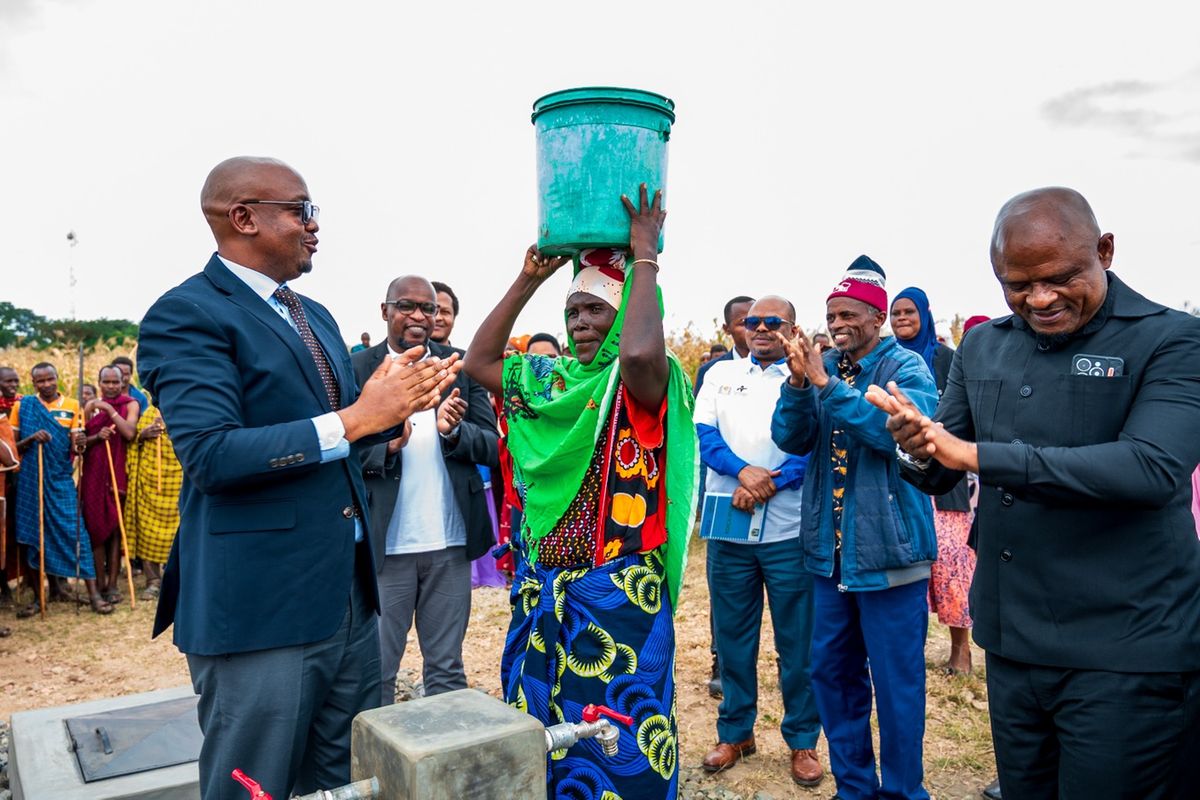
Photo: Tanzania Insight
2026-05-29 22:38 Society 10 


Manyara Regional Commissioner directs expansion of water, sanitation and hygiene services across the region
The Regional Commissioner for Manyara Region has issued strong directives calling for comprehensive improvements in Water, Sanitation and Hygiene (WASH) services, with a clear emphasis on ensuring that all citizens, without exception, have access to these essential services.
The directive reflects ongoing government efforts in Tanzania to strengthen basic service delivery, especially in rural and underserved communities where water and sanitation infrastructure remains limited or inconsistent.Manyara Region, located in northern Tanzania, is made up of both urban centres and widely dispersed rural settlements.
This geographical diversity has made it difficult to provide uniform access to safe water, adequate sanitation facilities, and proper hygiene services.
The Regional Commissioner highlighted that improving WASH systems is critical for protecting public health, reducing waterborne diseases, and improving overall living conditions for communities across the region.
The directive is expected to focus on key areas such as expansion of water supply networks, rehabilitation of existing infrastructure, construction of new sanitation facilities, and promotion of hygiene education programmes.
These interventions are also aligned with Tanzania’s national development agenda and global commitments under the Sustainable Development Goals, particularly the goal of achieving universal access to clean water and sanitation by 2030.Despite progress made in recent years, significant disparities still exist between urban and rural areas in Tanzania.
Rural communities in Manyara continue to face shortages of reliable water sources, affecting both household needs and agricultural activities, which form the backbone of the region’s economy.
Improved WASH services are therefore expected to contribute not only to better health outcomes but also to increased agricultural productivity and food security.The implementation of these improvements will require coordination between government authorities, development partners, and local communities.
The directive also highlights the importance of inclusive service delivery, ensuring that marginalized and remote populations are not left behind in development efforts.Effective funding and sustained community participation will be key to achieving long-term success in the WASH sector.
Full reading at Tanzania Insight
2189
Original title: Regional Commissioner Orders WASH Improvements to Reach All Citizens
The AI system has determined that this news is not clickbait/sensationalist: : The original title is straightforward and descriptive, clearly stating the subject of the news without exaggerated language, emotional framing, or sensational wording, so it is not clickbait. This has coincided with the opinion of the majority of users.
You may also be interested in...
Tanzania and WaterAid UK strengthen partnership to improve water and sanitation services
 Tanzania Achieves Significant Reduction in Drug Trafficking and Substance Abuse in 2025
 Concerns rise over abuse of Tanzanian domestic workers in Oman under Kafala system