
 Tensions rise in Western Australia’s Pilbara amid disputes over decarbonisation and net zero targets
KillBait - News highlights delivered clearly and responsibly—no clickbait, no sensationalism
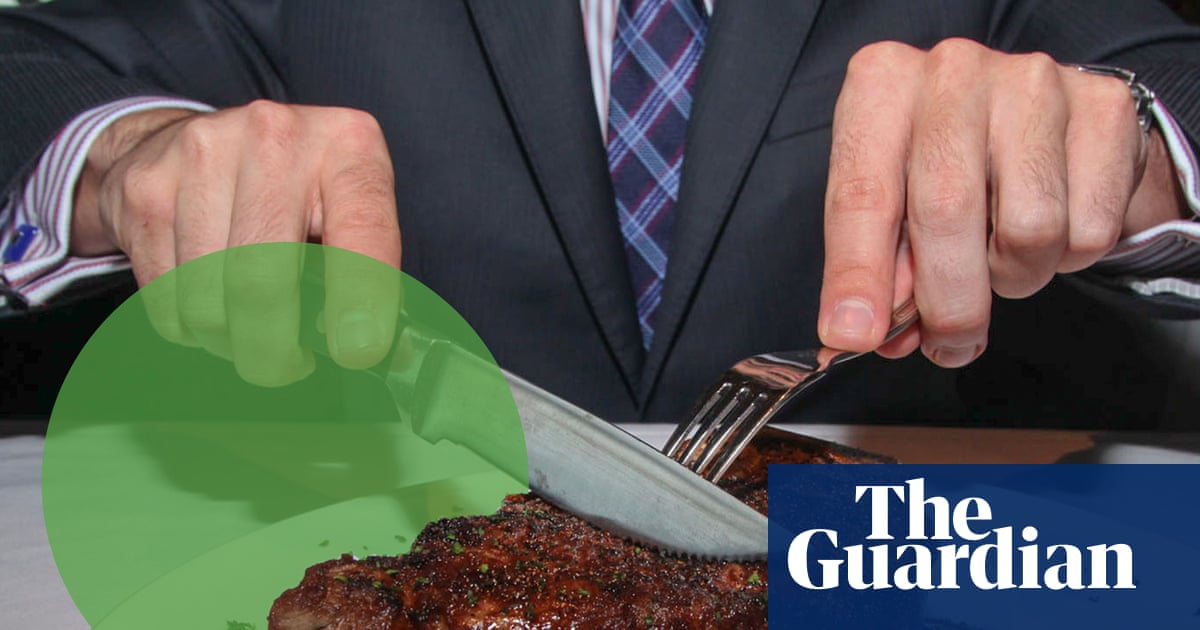
Photo: theguardian.com
2026-05-23 21:21 Climate change 13 


Meat consumption, masculinity myths, and their impact on climate goals
A recent article explores the link between traditional ideas of masculinity and high meat consumption among Australian men, and how this affects efforts to tackle the climate crisis.Research shows men eat significantly more meat than women, even after adjusting for energy needs.
This pattern contributes to higher carbon emissions, as livestock is a major source of methane in Australia’s agriculture sector, which makes up nearly a fifth of national emissions.The piece highlights health risks too, including heart disease from saturated fats, and links between processed and red meat with certain cancers.Dietary guidelines recommend limiting meat intake, yet many blokes exceed this, with over half of meat-eating men consuming at least 198 grams daily.
Experts like social psychologist Lauren Camilleri note cultural stereotypes where meat symbolises strength and manhood, making men more resistant to plant-based or reduced-meat diets.However, small changes are encouraged rather than strict vegetarianism.The EAT-Lancet Planetary Health Diet suggests modest portions of meat as an occasional treat, focusing instead on vegetables, grains, and legumes.Health professionals advocate for flexible approaches that align with personal priorities.High-profile athletes following plant-heavy diets are helping shift perceptions.
Overall, the article stresses that addressing outdated myths and making gradual swaps, like moving from red meat to poultry or fish, can benefit both personal health and the environment without requiring drastic overhauls.Small, consistent actions by men could play a key role in reducing Australia’s carbon footprint.
Full reading at theguardian.com
2243
Original title: What’s at steak: myths about masculinity and meat eating pose a challenge for the climate crisis
The AI system has determined that this news is clickbait/sensationalist: : The original title uses a pun on 'at stake' with 'at steak' to grab attention, which feels sensationalist given the article's focus on research and practical advice rather than dramatic confrontation. This has coincided with the opinion of the majority of users.
You may also be interested in...
Tensions rise in Western Australia’s Pilbara amid disputes over decarbonisation and net zero targets
 Updated climate scenarios phase out extreme worst-case emissions pathway as policy progress reshapes projections
 Weekly Superquiz and Mini Crossword Feature for Sunday, May 31