
 Balancing Local Aviation Goals with Global Financing in Nigeria
KillBait - News highlights delivered clearly and responsibly—no clickbait, no sensationalism
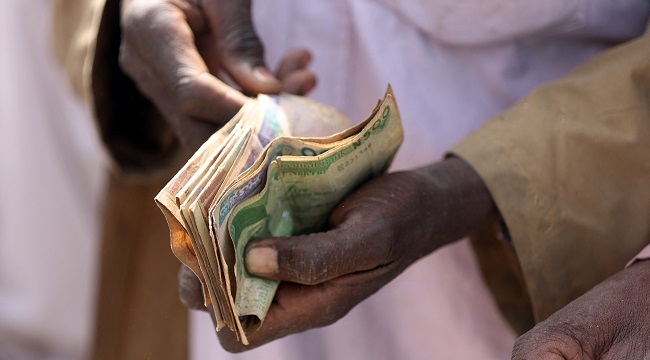
Photo: Channels Television
2026-07-08 12:40 Economy 10


Naira Depreciates to ₦1,379 Per Dollar
The Nigerian Naira continued its decline against the US Dollar, with the Central Bank of Nigeria (CBN) reporting an indicative exchange rate of ₦1,379 per dollar on July 8, 2026.This marks a slight increase from the previous rate of ₦1,371 per dollar, indicating an N8 depreciation for the naira.In the parallel market, the naira slipped to ₦1,405 per dollar, up from ₦1,400 per dollar on Monday.The gap between the official and parallel markets narrowed to ₦26 per dollar, down from ₦29 per dollar the previous day.This depreciation comes amid ongoing economic pressures, with oil prices fluctuating due to geopolitical tensions.Analysts suggest that the CBN's interventionist policies and global economic conditions are contributing factors.The exchange rate movement highlights the challenges facing Nigeria's currency, affecting trade, inflation, and consumer purchasing power.
While the CBN aims to stabilize the naira through market interventions, the persistent depreciation underscores deeper structural issues in the economy.Investors and businesses are closely monitoring the situation, as exchange rate volatility can impact foreign investment and economic growth.
The government is reportedly exploring measures to curb the naira's decline, including potential adjustments to monetary policy and efforts to boost foreign reserves.
Full reading at Channels Television
2186
Original title: Naira Down To ₦1,379 Per Dollar
The AI system has determined that this news is not clickbait/sensationalist: : The original title is factual and directly states the depreciation without sensational language, making it non-clickbait. This has coincided with the opinion of the majority of users.
You may also be interested in...
Balancing Local Aviation Goals with Global Financing in Nigeria
 Dangote Refinery becomes Europe's largest aviation fuel supplier, exports ₦757bn worth of jet fuel to continent
 Black Market Dollar to Naira Rates for July 5th, 2026