
 NASA To Open JPL Management Contract To Competition After Decades Under Caltech
KillBait - News highlights delivered clearly and responsibly—no clickbait, no sensationalism
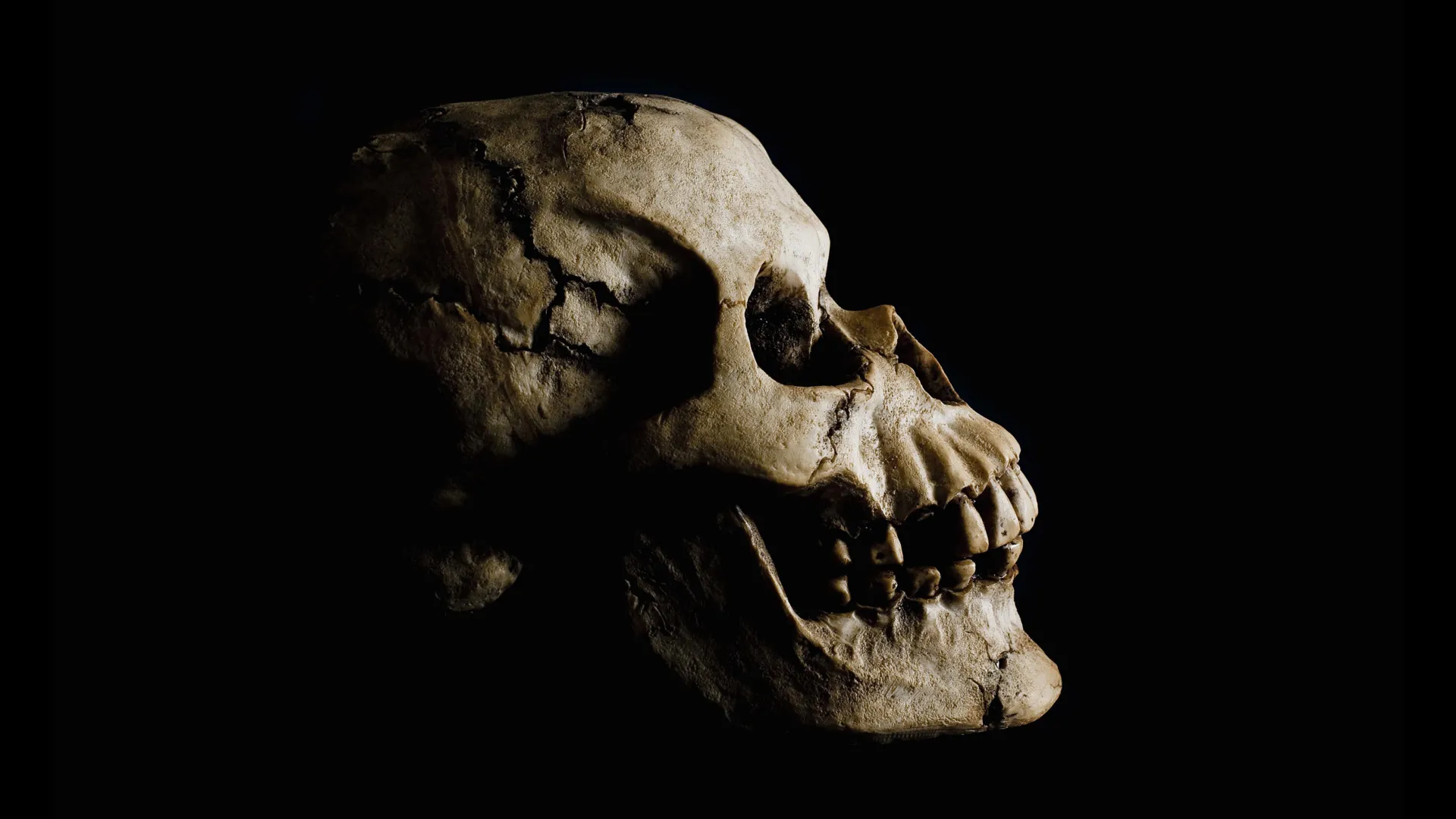
Photo: ScienceDaily
2026-05-17 11:30 Science 10 


New Fossil Finds in Ethiopia Reveal Multiple Early Human Species Coexisting
Recent fossil discoveries in Ethiopia's Ledi Geraru region are reshaping our understanding of human evolution.Researchers found thirteen ancient teeth from both early Homo and a previously unidentified Australopithecus species, dating between 2.6 and 2.8 million years ago.This evidence challenges the traditional view of a linear progression from ape-like ancestors to modern humans.Instead, it suggests that multiple hominin species coexisted in the same region, forming a complex, branching evolutionary tree.
The volcanic ash in the area allowed precise dating of the fossils, while sediment studies provide insights into the ancient environment, including rivers and shallow lakes that supported diverse habitats.Scientists are now examining tooth enamel to learn about the diets of these early humans, which may explain how they shared resources.These discoveries highlight the importance of continued fossil research to better understand human ancestry and the ecological dynamics of the past.
Together with other recent finds, the Ledi Geraru fossils emphasize that early human evolution was crowded, competitive, and far more intricate than previously imagined.
2186
Original title: Stunning fossil discovery in Ethiopia rewrites human origins
The AI system has determined that this news is clickbait/sensationalist: : The original title uses dramatic language ('stunning' and 'rewrites') that exaggerates the discovery for impact, making it sensational rather than strictly informative. This has coincided with the opinion of the majority of users.
You may also be interested in...
NASA To Open JPL Management Contract To Competition After Decades Under Caltech
 Deep-Sea Golden Orb Identified as Remains of Rare Anemone
 NASA Technician Inspects Echo II Satellite Using Tethered Balloon, 1963