
 FCT Police Arrest Four Officers for Forcing ICPC Chairman to Pay at Illegal Checkpoint
KillBait - News highlights delivered clearly and responsibly—no clickbait, no sensationalism

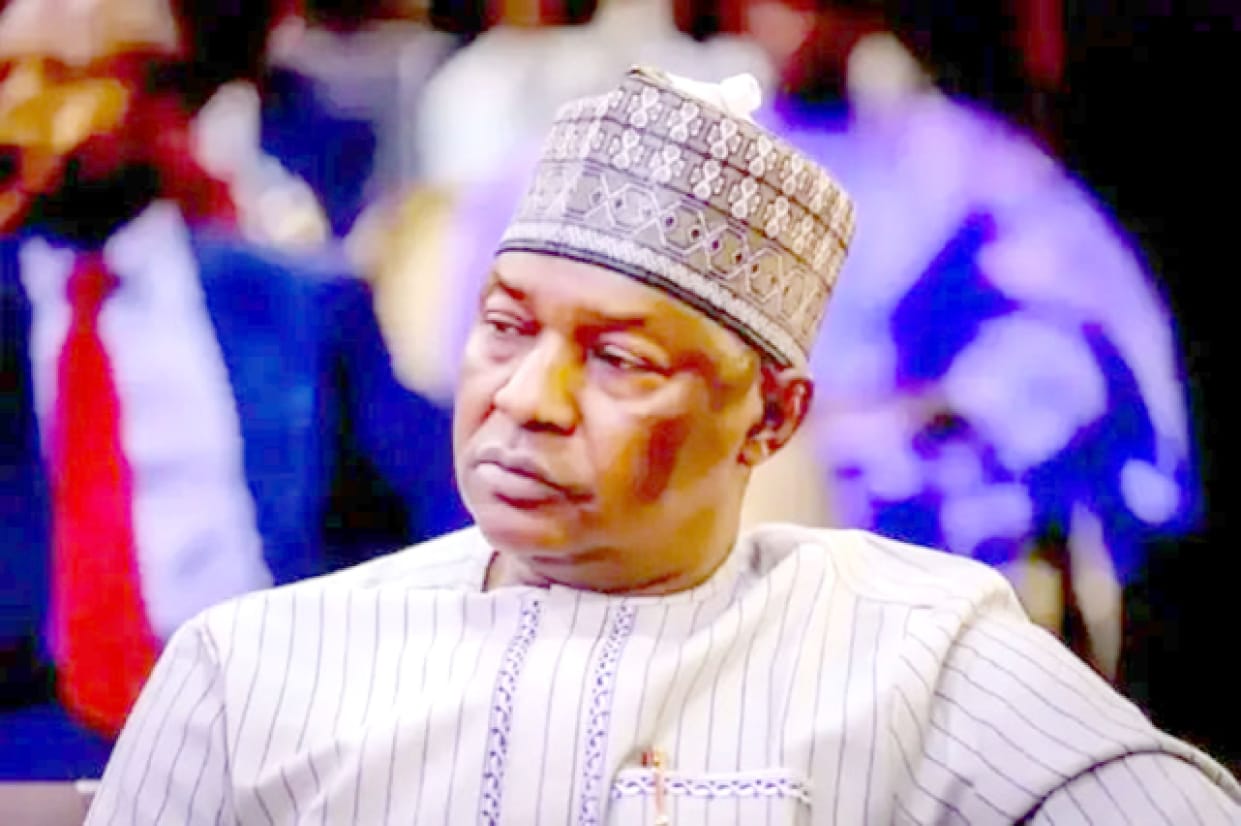
Photo: Premium Times Nigeria
2026-07-22 08:51 Justice 10


Nigeria's Payroll System Faces Corruption Challenges
The article discusses how Nigeria's Integrated Personnel and Payroll Information System (IPPIS), designed to eliminate ghost workers and improve transparency, was exploited in a major payroll manipulation scheme.
Despite technological advancements, corrupt actors colluded across institutions to siphon public funds, highlighting that technology alone cannot prevent human-driven corruption.
The case underscores the need for stronger institutional safeguards, proactive financial monitoring, and shared responsibility among regulators, financial institutions, and anti-graft agencies.While the recovery of ₦941.9 million through judicial processes is a victory, the focus should shift to preventing theft in the first place.
The judiciary's role in asset recovery and the importance of systemic reforms are emphasized, with calls for accountability and transparency in public finance management.
The scandal reveals that while digital platforms can close loopholes, they cannot replace integrity, and corruption evolves, requiring faster, more adaptive oversight mechanisms.
Full reading at Premium Times Nigeria
2187
Original title: Ghost workers, IPPIS fraud, and lessons from the ₦941m forfeiture, By Nafisat Bello
The AI system has determined that this news is clickbait/sensationalist: : The original title uses sensationalist language like 'Ghost Workers' and 'Digital Dilemma' to grab attention, which is typical of clickbait headlines. The phrase 'How Technology Can't Stop Corruption' is also provocative and dramatizes the issue for engagement. This has coincided with the opinion of the majority of users.
You may also be interested in...
FCT Police Arrest Four Officers for Forcing ICPC Chairman to Pay at Illegal Checkpoint
 Legal Process and Accountability in Nigeria's Anti-Corruption Efforts
 EFCC Arrests Abuja Realtor Over ₦500 Million Land Fraud Allegations