
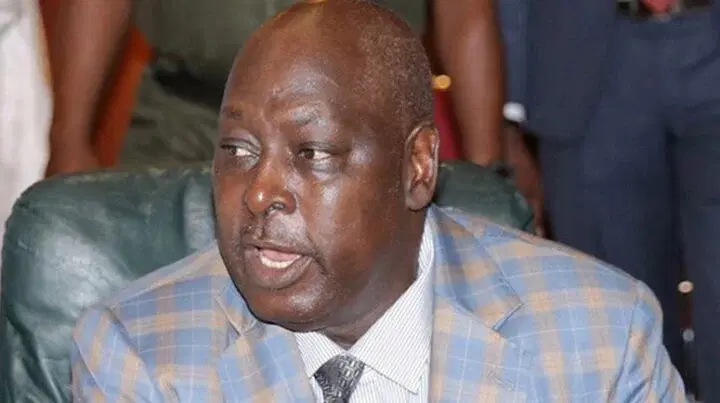
 Former SGF Claims Tinubu Funded APC's 2015 Campaign and Played Key Role in Formation
KillBait - News highlights delivered clearly and responsibly—no clickbait, no sensationalism
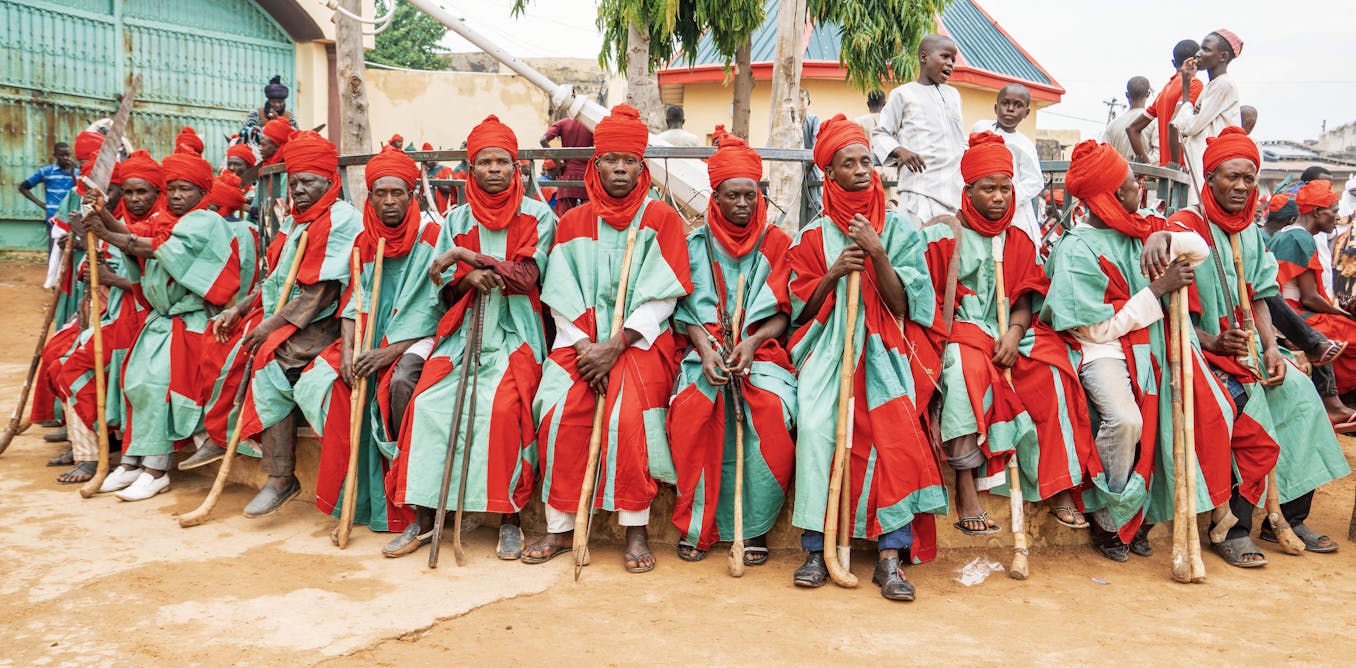
Photo: The Conversation
2026-07-26 16:30 Politics 10


Nigeria's Police Reform: Lessons from History and Challenges Ahead
The Nigerian Senate passed a bill in June 2026 to establish state police in all 36 states, marking a shift from the decades-old federal police model.Historian Saheed Balogun Amusa explains that Nigeria previously had regional police forces (federal, native authority, and local government) before a centralized system.These regional forces, though closer to citizens, were often influenced by political elites.
Federal police, he argues, have historically been tools for political control, as seen in events like the 1962 Action Group crisis, 1953 Kano riots, and recent incidents like the 2003 abduction of Anambra governor Chris Ngige.While state police could address local security needs, challenges like political abuse and jurisdictional conflicts with federal forces remain.Success depends on constitutional frameworks, autonomy, and public cooperation.The reform aims to create a dual policing model but faces risks of misuse if not properly structured.
Full reading at The Conversation
2186
Original title: Nigeria's federal police force has failed, but what does history say about local forces?
The AI system has determined that this news is clickbait/sensationalist: : The original title uses a provocative question to attract clicks, which is common in sensationalist headlines. This has coincided with the opinion of the majority of users.
You may also be interested in...
Former SGF Claims Tinubu Funded APC's 2015 Campaign and Played Key Role in Formation
 Atiku Criticizes Nigerian Presidency's Use of China's Drug Laws as Benchmark
 Defence minister condemns foreign lobbying efforts against Tinubu's presidency