
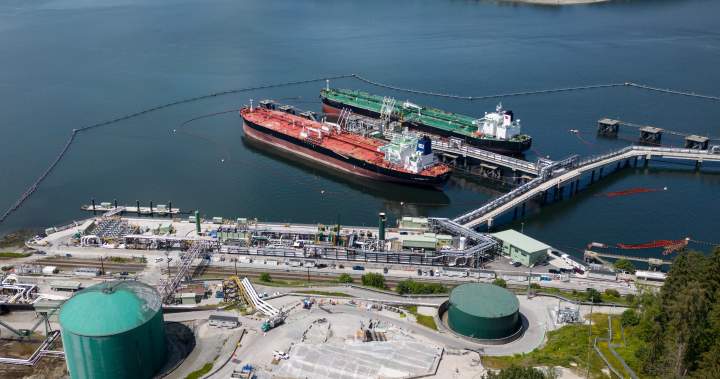
 Federal government confirms continuation of B.C. North Coast oil tanker ban alongside new energy and infrastructure agreement
KillBait - News highlights delivered clearly and responsibly—no clickbait, no sensationalism
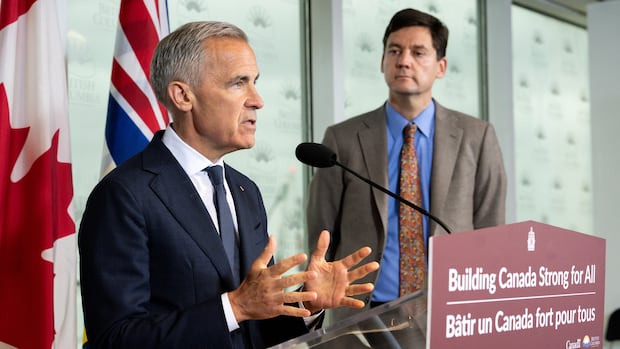
Photo: CBC
2026-07-02 21:06 Politics 10 


Ottawa and British Columbia reach major resource agreement that maintains North Coast oil tanker ban
The federal government and British Columbia have announced a multibillion-dollar memorandum of understanding aimed at advancing major resource projects and economic development while maintaining key environmental protections.Central to the agreement is Ottawa’s commitment to keep the North Coast oil tanker ban in place, a measure strongly supported by B.C.
Premier David Eby and coastal First Nations, and one that significantly complicates any potential Alberta pipeline route to the province’s northern coast.
The deal comes as Alberta prepares to advance plans for a proposed oil pipeline to the West Coast, with federal and Alberta leaders expected to provide further details later in the day.While the tanker ban effectively blocks northern coastal export routes, B.C.has stated it will not challenge any pipeline project in court, acknowledging that such infrastructure falls under federal jurisdiction.However, the province has secured provisions for compensation related to environmental risks should a pipeline proceed.Beyond the pipeline issue, the agreement includes federal support for several major infrastructure and economic initiatives in B.C.
These include backing for the province’s steel and softwood lumber sectors, support for the Roberts Bank Terminal 2 port expansion in Delta, and federal funding commitments toward replacing the George Massey Tunnel.
Ottawa will also contribute to the North Coast Transmission Line project, designed to expand clean energy capacity and support industrial development.
First Nations groups, particularly the Coastal First Nations Great Bear Initiative, have welcomed the tanker ban, emphasizing long-standing opposition to oil tankers in sensitive coastal waters.
The agreement also includes broader commitments on conservation efforts, carbon pricing alignment, and economic partnerships, signalling a wider federal-provincial push to balance resource development with environmental protection and Indigenous collaboration.
2186
Original title: North Coast oil tanker ban to remain in place as part of multibillion-dollar deal between B.C. and Ottawa
The AI system has determined that this news is not clickbait/sensationalist: : The original title is factual and descriptive, clearly stating the main policy outcome and agreement without sensational language or emotional framing. It accurately reflects the content of the article rather than exaggerating or misleading the reader. This has coincided with the opinion of the majority of users.
You may also be interested in...
Federal government confirms continuation of B.C. North Coast oil tanker ban alongside new energy and infrastructure agreement
 Three residents still living in Granville SRO after end-of-June relocation deadline
 Poilievre criticizes Carney’s economic record, calling public perception an ‘illusion’