
 Doctor explains how diet and gut health may influence anxiety and mental wellbeing
KillBait - News highlights delivered clearly and responsibly—no clickbait, no sensationalism
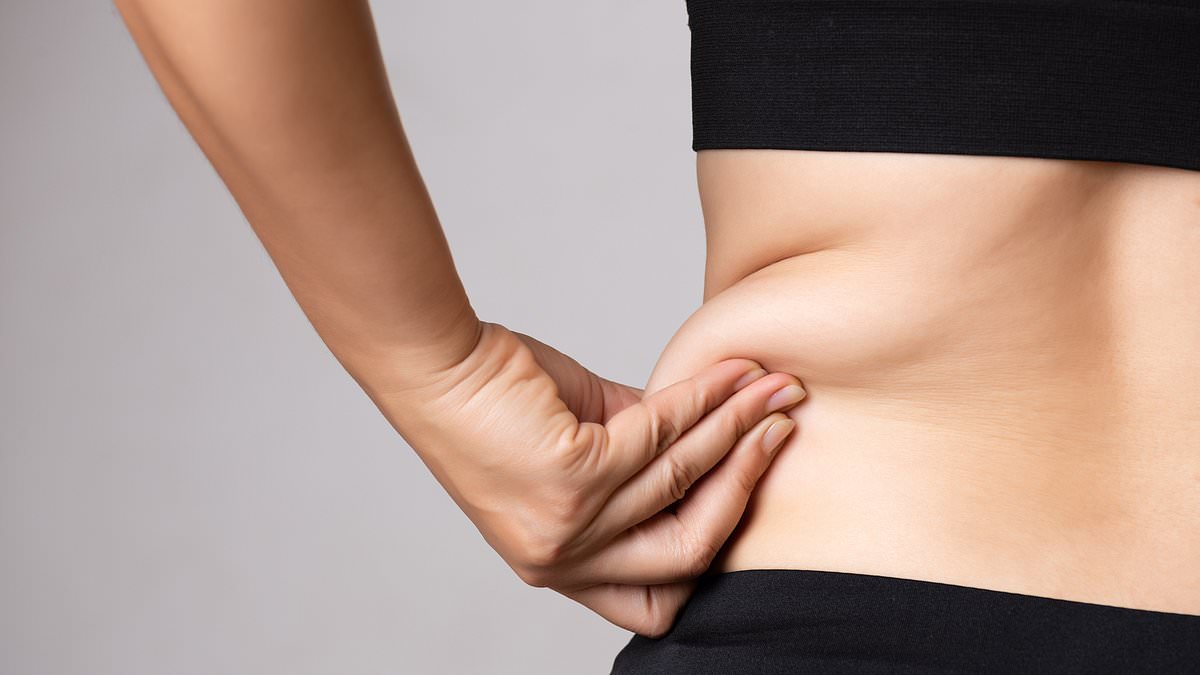
Photo: Mail Online
2026-05-21 19:56 Nutrition 14 


Plant-Based Diet Linked to Reduced Weight Gain in Midlife Women During Menopause
A new study led by researchers at Harvard Medical School suggests that midlife women can reduce weight gain during menopause by following a plant-based diet.The research monitored 38,283 American nurses, with an average age of 45.6, over 12 years, tracking their diets, physical activity, and health markers.
Women following diets rich in fruits, vegetables, legumes, and whole grains, and low in red and processed meats, salt, and ultra-processed foods, gained significantly less weight compared to those with diets high in meat, potatoes, and processed snacks.On average, women in the study gained 1.7 pounds per year, while those adhering to the plant-focused diet gained only 0.6 pounds per year, resulting in about 7.5 pounds less over the study period.
The study also highlighted that such diets can reduce the risk of obesity and chronic diseases like type 2 diabetes, heart disease, stroke, and cancer.Researchers emphasized incorporating these dietary strategies into routine midlife care to optimize long-term cardiometabolic health.
The NHS also recommends regular exercise, stress reduction, limited caffeine and alcohol intake, and monitoring for underlying health issues such as thyroid problems, while clarifying that hormone replacement therapy (HRT) does not cause long-term weight gain.
2258
Original title: Scientists pinpoint best diet to help midlife women avoid weight gain
The AI system has determined that this news is not clickbait/sensationalist: : The original title accurately reflects the main finding of the study without exaggeration or sensationalism. This has coincided with the opinion of the majority of users.
You may also be interested in...
Doctor explains how diet and gut health may influence anxiety and mental wellbeing
 Study suggests banana-containing smoothies may reduce absorption of beneficial flavanols
 Trump refiles defamation lawsuit against Wall Street Journal citing Maxwell interview