
 Police deploy additional personnel and traffic measures as schools reopen in Kochi
KillBait - News highlights delivered clearly and responsibly—no clickbait, no sensationalism
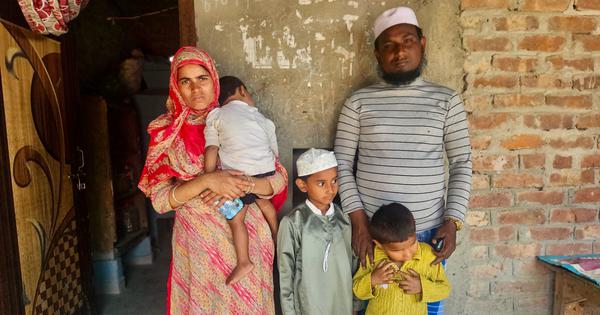
Photo: Scroll.in
2026-05-25 03:41 Society 11 


Poverty and weak schooling push Araria families in Bihar to send children to distant madrasas
The report highlights how extreme poverty, poor schooling infrastructure, and repeated natural hardships in Bihar’s Araria district are pushing families to send their children to madrasas located hundreds of miles away in other states such as Maharashtra, Karnataka, and Gujarat.Many parents, mostly daily wage workers and landless labourers, are unable to afford private education or rely on inconsistent government schooling.
As a result, they depend on informal networks of madrasa teachers who facilitate enrolment in institutions that offer free education, accommodation, and meals.
The article also describes repeated incidents where groups of children travelling with consent of parents were intercepted by railway and child welfare authorities on suspicion of trafficking.
In several cases, FIRs were filed and children were temporarily placed in shelter homes, though later investigations found no evidence of trafficking or forced labour.Officials eventually acknowledged that most children were indeed travelling for education.
Araria, one of Bihar’s poorest districts with high levels of multidimensional poverty and low literacy rates, faces chronic issues such as flood damage, lack of industries, and inadequate school attendance.Government schools often suffer from teacher shortages and low student attendance, further weakening trust in local education.In contrast, madrasas outside the state are seen by many families as offering better discipline, care, and survival prospects along with education.
The report also notes a broader system where former madrasa students become facilitators and help enrol new children, sometimes receiving small commissions.
While child rights activists raise concerns about unregistered institutions and child safety, many parents argue they are left with little choice and view migration as a necessary sacrifice for their children’s future.
2206
Original title: Why parents from Bihar’s poorest district send children to madrasas hundreds of miles away
The AI system has determined that this news is not clickbait/sensationalist: : The original title is factual and descriptive, clearly stating the subject without exaggeration, sensational language, or misleading framing. This has coincided with the opinion of the majority of users.
You may also be interested in...
Police deploy additional personnel and traffic measures as schools reopen in Kochi
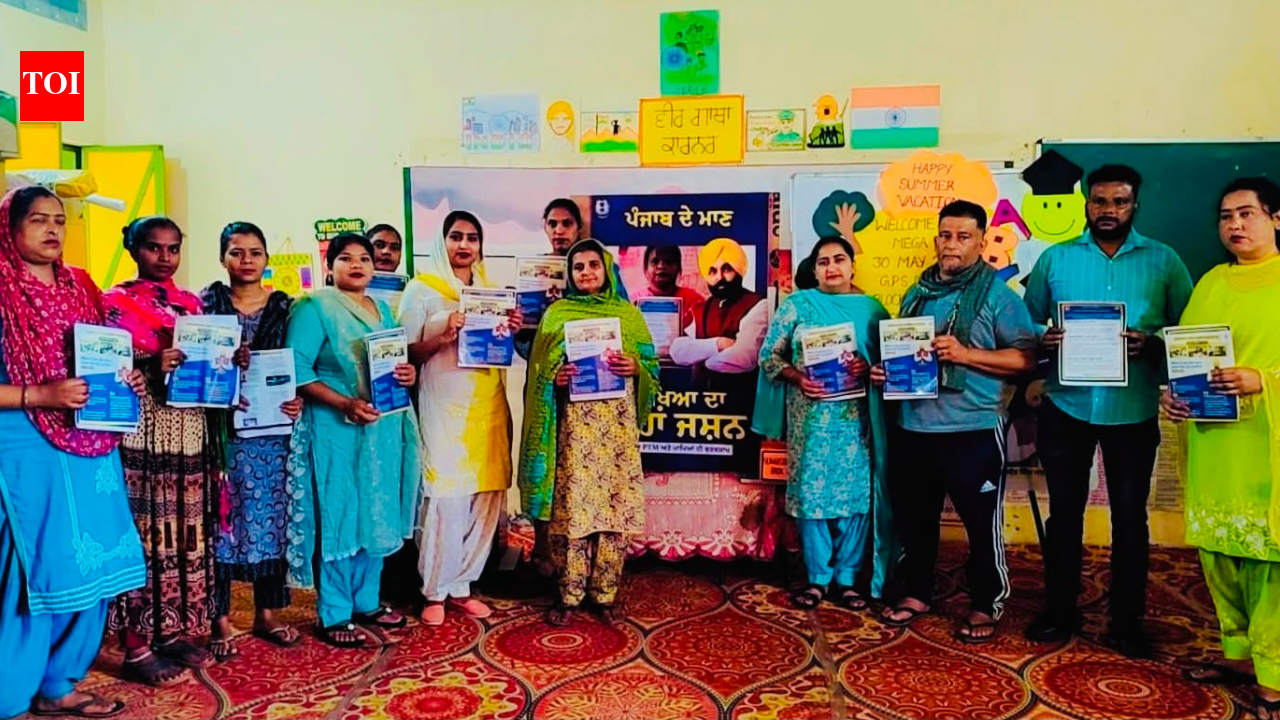 Punjab achieves top national ranking in education with state-wide parent-teacher meetings
 CBSE’s shift to on-screen marking sparks debate over implementation pace and preparedness