
 NASA's New Horizons Probe Resumes Science Operations in the Kuiper Belt After Hibernation
KillBait - News highlights delivered clearly and responsibly—no clickbait, no sensationalism
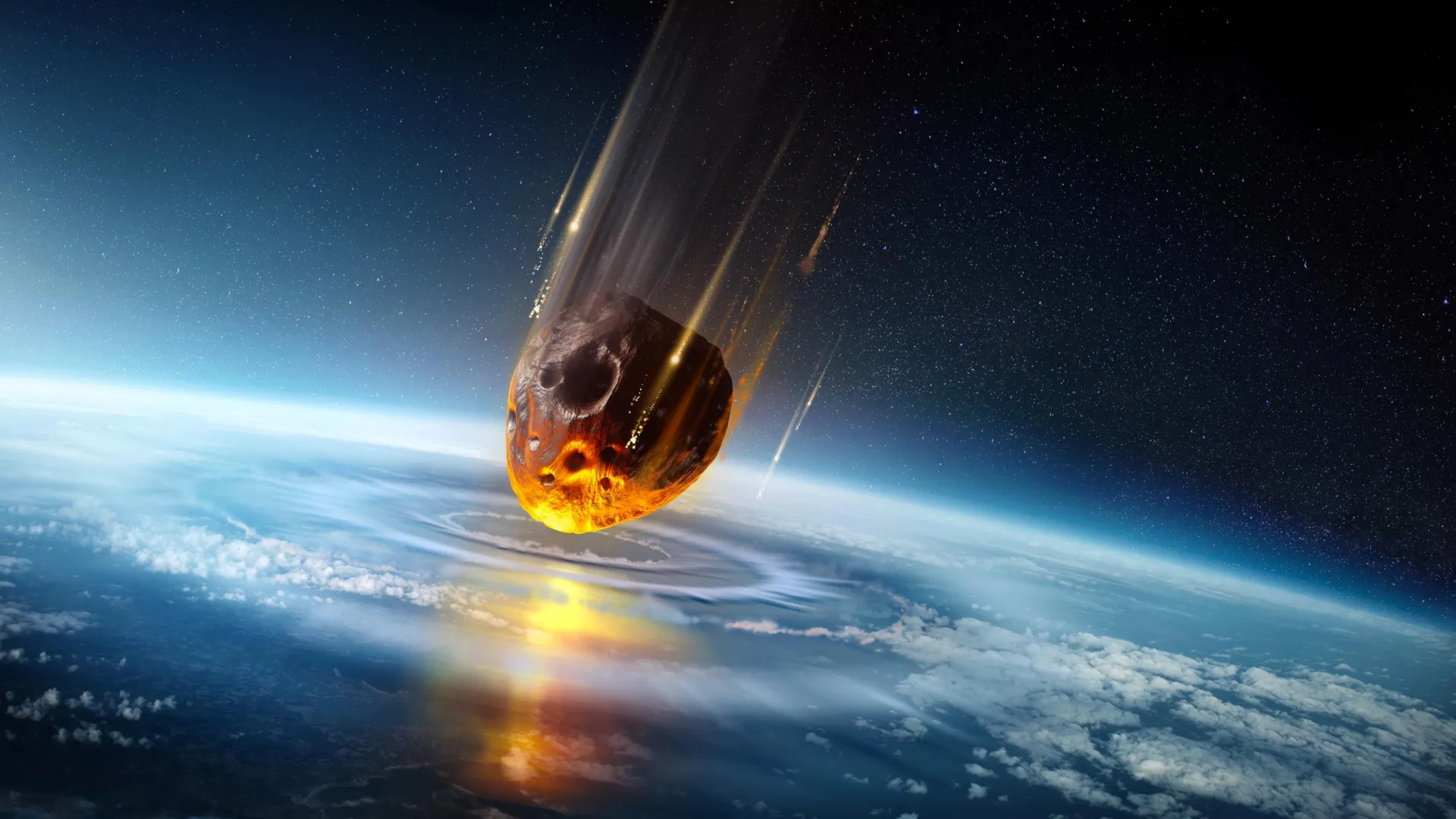
Photo: ScienceDaily
2026-07-19 16:05 Science 10


Rare Meteorite Linked to Dinosaur Extinction Revealed by New Research
A rare type of meteorite known as a CO chondrite was likely the object that slammed into Earth 66 million years ago and triggered the extinction of about 75 percent of all species, including every non-avian dinosaur.
Researchers from the University of British Columbia (UBC), Paris, Brussels, and Vienna analyzed nickel isotopes preserved in material left behind by the Cretaceous-Paleogene impact to narrow down the meteorite's origin.
The study, published in Science Advances, suggests that the asteroid's unusual chemistry indicates planet-cooling dust and debris, rather than sulfur inside the asteroid, may have caused the mass extinction.
CO chondrites contain significantly less volatile elements like carbon, zinc, water, and sulfur compared to other meteorites, making it less likely that sulfur was the primary factor in the catastrophe.Instead, the vast amount of fine debris ejected into the atmosphere is believed to have played a dominant role.
The research highlights how analyzing isotopic signatures can help scientists understand the impact's mechanisms and its effects on Earth's ecosystems.
2186
Original title: Scientists identify the rare meteorite that killed the dinosaurs 66 million years ago
The AI system has determined that this news is clickbait/sensationalist: : The original title uses dramatic language like 'killed' and emphasizes rarity to attract attention, which is typical of clickbait headlines. This has coincided with the opinion of the majority of users.
You may also be interested in...
NASA's New Horizons Probe Resumes Science Operations in the Kuiper Belt After Hibernation
 Study Finds Link Between Social Media Use and ADHD Symptoms in Teen Boys
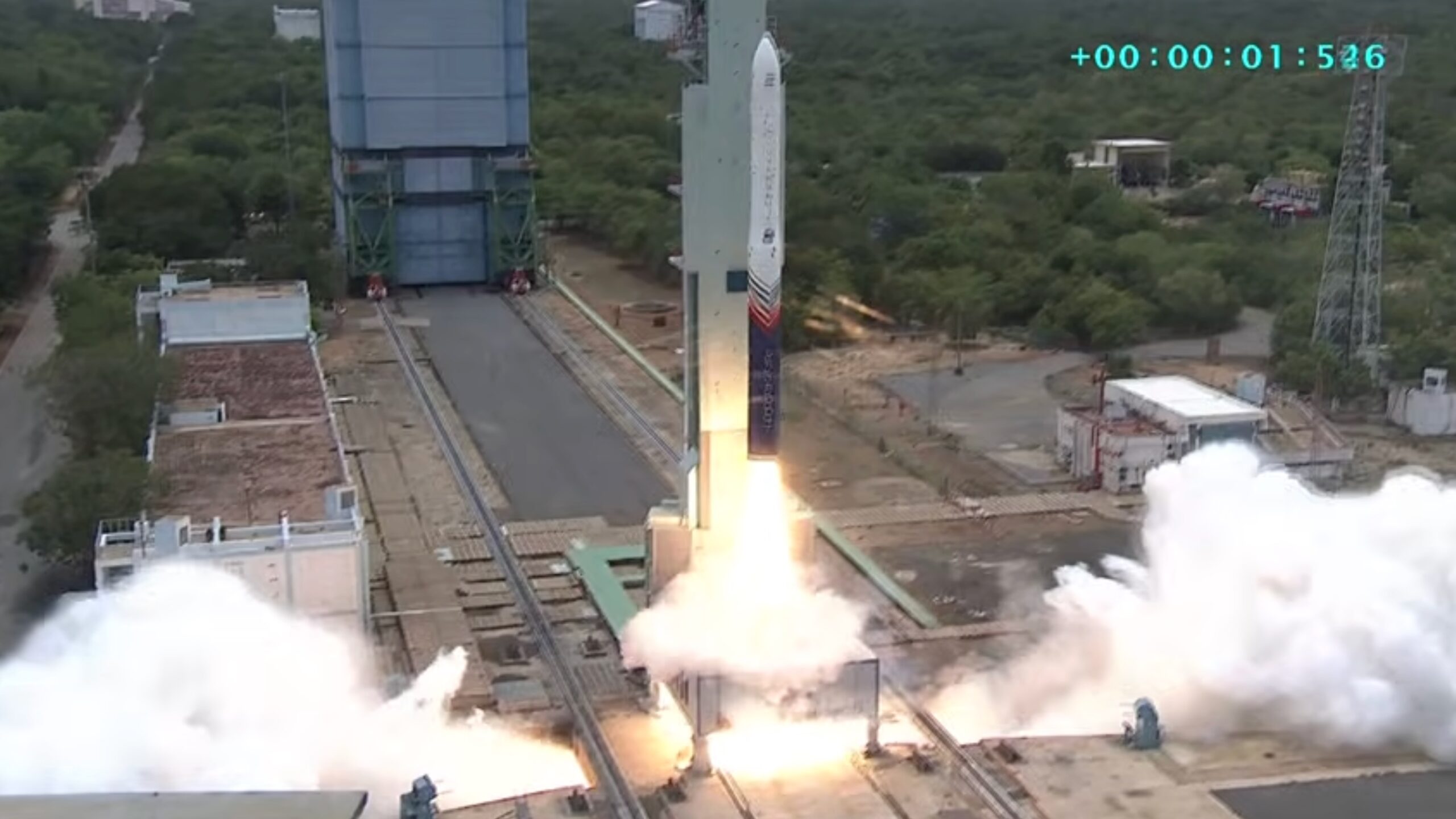 India's Private Rocket Vikram-1 Successfully Reaches Orbit